FOR Storage developers, industrial users and data center energy buyers
Start with heat storage rather than nuclear terminology
Molten-salt thermal storage stores heat for later use. It need not involve nuclear fuel or a nuclear reactor. DOE describes nitrate salts used in existing concentrating solar-thermal systems, while higher-temperature materials and designs remain areas of research.
For a data center proposal, identify the source of heat, storage medium, temperature range and delivery process. Distinguish an established application from a proposed integration. Evidence that a storage technology has operated in one setting does not prove that a particular campus installation is commercially available or suitable.
Follow the path from stored heat to useful output
A heat store is not a battery that directly delivers electricity. If the campus needs electrical power, identify the conversion equipment, operating losses, startup needs and the loads required to support it. If the proposed benefit is cooling or another thermal service, describe the actual heat-transfer and conversion arrangement.
Ask engineers for the usable output, duration, control strategy and behavior during loss of auxiliary power. Confirm whether the system is intended for routine dispatch, peak management or emergency support. Do not promise uninterrupted computing service from a storage capacity figure alone.
Identify the equipment and recovery exposures
Review tanks, piping, pumps, heat exchangers, insulation, heating systems and instrumentation. Ask qualified engineers about freeze protection, corrosion, thermal cycling, leaks and restart procedures for the actual salt chemistry and design. This guide does not prescribe operating temperatures or emergency procedures.
Evaluate a damaging event at the storage system separately from poor efficiency, an unmet performance guarantee or normal deterioration. Property, equipment breakdown and construction testing terms need project-specific review. Consider cleanup, access, compatible replacement materials and recommissioning in recovery estimates.
Use demonstrations honestly
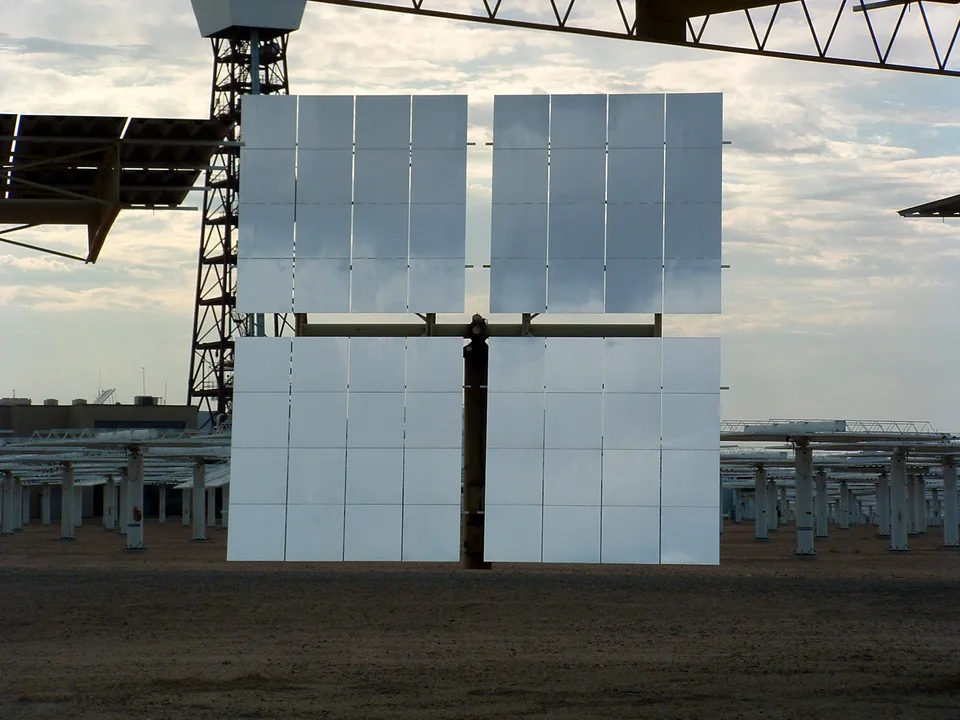
The accompanying Solar Two photograph is a historical demonstration context, not a current data center installation. DOE's storage basics explain several system arrangements and historical examples. They do not certify a vendor's proposed system or establish its present deployment status.
Bring the process diagram, technical guarantees, operating references, commissioning plan and maintenance arrangements to the insurance review. Identify who owns the storage and conversion equipment and who bears lost revenue if the promised output is unavailable. Retain commercial performance risk where no verified insurance protection applies.
Questions for your program review
- What usable output reaches the campus and through which equipment?
- What is demonstrated versus proposed for this exact application?
- Who bears performance shortfall without physical damage?
Connect with existing Energy guidance
- Equipment Breakdown for Energy Systems
- Energy Testing & Commissioning Insurance
- Builders Risk & Delay in Startup for Energy Projects
Prepare for an Energy risk review, call 702-749-4369 or use the existing consultation link below.
Sources and verification notes
Technical and regulatory background is identified below. The loss scenarios and insurance review questions are educational analysis, not quoted policy terms, insurer approval or an indication of market access.
- DOE — Solar thermal storage and heat transfer media ↗
Reviewed 2026-11-03. Molten nitrate salts are used in existing CSP systems; higher-temperature media and materials remain areas of research.
- DOE — Thermal storage system basics ↗
Reviewed 2026-11-03. Direct, indirect and thermocline thermal-storage arrangements; historical demonstrations are not current data center deployments.
Image identification
Solar Two heliostat, photographed in 2003; historical thermal-energy demonstration. kjkolb · CC BY-SA 2.5. Resized and compressed under the same CC BY-SA 2.5 license. A heliostat is shown, not the storage tanks or a current data center project. Image source and credit ↗ · License ↗.

Reviewed November 3, 2026. Requirements and project status can change. Confirm current applicability and complete policy wording before relying on this material.