
FOR Developers, owners, EPC leaders, CFOs and risk managers
Explore the data center lifecycle
Start with your role or the decision in front of you. Each guide connects the physical operation to contractual responsibilities and insurance review questions.
Begin with the whole operating system
A data center risk review should follow the path from the power source to the computing workload. The building, utility connection, transformers, backup systems, cooling equipment, servers and control networks may have different owners and insurance arrangements. A property schedule that stops at the building can miss assets whose failure determines whether the business can operate.
Start with a responsibility map. Record the developer, property owner, operator, tenants, utility, generator owner, EPC contractor and critical service providers. For each, identify assets, custody, maintenance duties, revenue dependencies and contracts. This makes it possible to discuss actual exposures without assuming that one party's policy protects every participant.
Separate construction from operation
Campus development often involves several handovers rather than a single completion date. An occupied hall may share a substation or cooling loop with a hall still under construction. Testing, temporary power and contractor work can affect operating tenants. Ask when each asset leaves the construction program, enters operational coverage and becomes subject to tenant service commitments.
Develop a written transition register covering equipment delivery, energization, testing, beneficial use and acceptance. The project manager's milestone and an insurance policy's termination condition may differ. Resolve that difference before live workloads or customer equipment enter the site.
Treat power strategies as different risk decisions
Utility service, onsite natural gas generation, LNG-supported fuel arrangements, renewable contracts, batteries and advanced nuclear proposals require different diligence. Identify the physical supply path and credible availability date, then review permits, contractual remedies and backup arrangements. A power purchase contract does not itself establish a reliable physical feed to a specific campus.
This division separates molten-salt nuclear technology from nonnuclear heat storage. Advanced nuclear pages use dated licensing information and link to existing Energy nuclear guides. A proposed power project is not described as an operating supply, and no nuclear insurance placement capability is implied.
Build the insurance review around loss scenarios
Compare a transformer fire, coolant leak, software-driven shutdown, fuel shortage and delayed utility connection. They can all interrupt service, but may involve different damage triggers, exclusions and responsible parties. Review property, equipment breakdown, construction delay, business interruption, liability, professional, pollution and cyber arrangements as coordinated documents.
Montridge provides an independent brokerage perspective. The resources below help organize the operational and contractual information needed for a program review. Coverage depends on the actual issued forms and underwriting; legal, engineering and nuclear specialists may be needed for particular decisions.
Development
Hyperscale Data Center Construction Insurance
Review campus accumulation, owner-furnished equipment, adjacent live halls and phased construction insurance.
Data Center Owners & Operators Property and Liability Exposures
Separate building ownership, operating responsibilities, tenant assets and customer service obligations.
Data Center EPC Contractors & Project Risk Allocation
Examine design responsibility, equipment integration, performance guarantees and shared infrastructure contracts.
Data Center Testing Commissioning & Operational Handover
Coordinate energization, integrated systems tests, customer equipment entry and phased insurance handover.
Power infrastructure
AI Data Center Power Supply & Energy Infrastructure
Compare grid, onsite generation and hybrid supply through physical dependencies, contracts and recovery assumptions.
Utility Interconnection & Data Center Substation Construction
Review ownership boundaries, large-load studies, energization milestones and substation insurance responsibilities.
Natural Gas Turbines & Behind-the-Meter Data Center Power
Assess fuel supply, turbine operation, maintenance, emissions permissions and generation failure scenarios.
LNG Supply Storage & Data Center Power Infrastructure
Follow LNG custody from delivery through cryogenic storage and regasification to gas-fired generation.
Renewable Energy & Data Center Power Purchase Agreement Risks
Distinguish renewable procurement, physical supply, financial settlement and damage-related insurance loss.
Battery Energy Storage & Data Center Backup Power
Distinguish UPS duty, longer-duration storage, generators and shared backup system dependencies.
Advanced technologies
Advanced Nuclear & SMR Power for Data Centers
Evaluate nuclear supply proposals through licensing milestones, delivery commitments and specialized liability interfaces.
Molten-Salt Reactor Technology & Data Center Project Risks
Distinguish fuel-bearing salt, salt-cooled solid-fuel reactors and nonnuclear thermal storage.
Molten-Salt Thermal Energy Storage & Industrial Applications
Review nonnuclear heat storage, freeze protection, materials, power conversion and project performance assumptions.
Critical systems
Data Center Transformers Switchgear & Electrical Equipment
Review electrical asset values, common failure points, long-lead replacements and live-system work.
Data Center Cooling HVAC & Mechanical Contractor Risks
Assess liquid cooling, heat rejection, water systems, controls and mechanical contractor insurance interfaces.
Server Equipment Technology Infrastructure & Physical Damage
Review customer hardware, valuation, delivery, liquid interfaces and recovery of computing capacity.
Insurance and financial risk
Data Center Equipment Breakdown Business Interruption & Resilience
Connect machinery failure, utility dependencies, financial loss and practical restoration planning.
Data Center Builders Risk & Delay in Startup
Review insured project property, damage-related schedule delay, phased occupancy and revenue assumptions.
Data Center Cyber Technology & Operational Liability
Separate information security, facility controls, service failures and physical damage across cyber and liability programs.
Data Center Contractual Risk Transfer Owners Utilities & EPC Firms
Compare indemnities, insurance exhibits, property interests, waivers and availability commitments across project contracts.
Data Center Environmental Pollution & Water-Use Exposures
Review cooling water, fuels, coolant releases, batteries, construction conditions and environmental responsibilities.
AI Data Center Insurance Program Review Checklist
Prepare an evidence-based review of project phases, asset values, critical dependencies, contracts and coverage questions.
Questions for your program review
- Who owns the assets and customer equipment at each stage?
- Which power and cooling failures can stop every hall?
- Which service obligations exceed verified insurance protection?
Connect with existing Energy guidance
- Energy EPC Project Insurance
- Small Modular Reactor Project Insurance Planning
- Property Insurance for Energy Facilities
Prepare for an Energy risk review, call 702-749-4369 or use the existing consultation link below.
Sources and verification notes
Technical and regulatory background is identified below. The loss scenarios and insurance review questions are educational analysis, not quoted policy terms, insurer approval or an indication of market access.
- Allianz Commercial — Data center construction risks ↗
2026-08-12. Insurer perspective on concentrated values and construction/operating interfaces; no Montridge market access is implied.
- FERC — Large load integration action ↗
2026-06-18. Show-cause orders to six regional grid operators. Consult the applicable subsequent orders and effective tariff; this is not a nationwide guaranteed connection timetable.
- NRC — Advanced reactors ↗
Reviewed 2026-11-03. Technology and licensing overview. An application, design approval, construction permit and operating authorization are different milestones.
Image identification
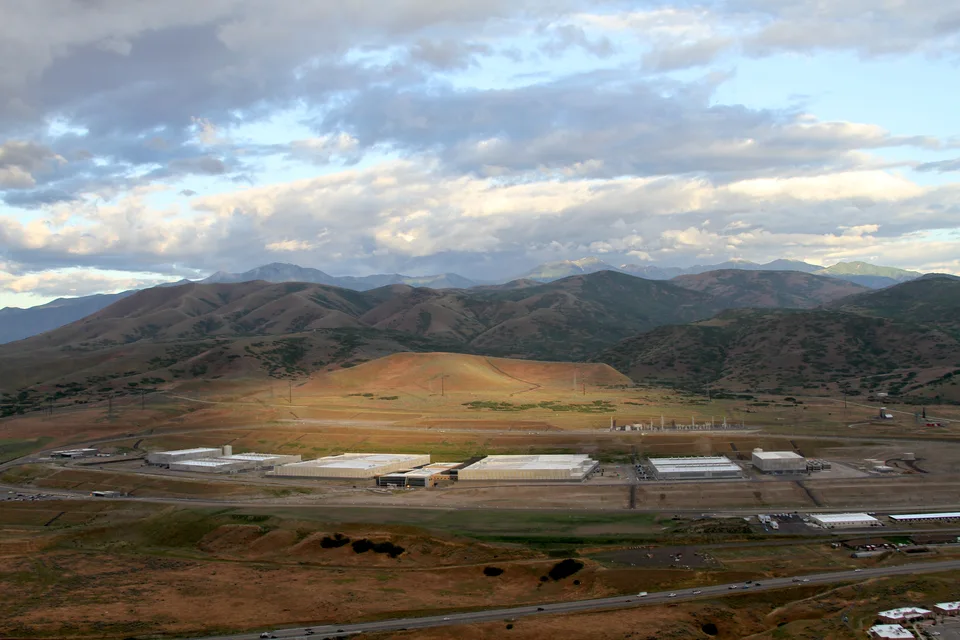
Utah Data Center, photographed in 2014; illustrative campus infrastructure. Parker Higgins / Electronic Frontier Foundation · CC0 1.0. This is a government data center, not identified as a commercial AI campus or Montridge client. Image source and credit ↗ · License ↗.

Reviewed November 3, 2026. Requirements and project status can change. Confirm current applicability and complete policy wording before relying on this material.