
FOR Commissioning agents, operators, EPC contractors and owners
Treat commissioning as an exposure period
Testing brings electrical and mechanical systems into states they have not previously experienced together. A system can pass an individual factory or site test while remaining unproven under integrated failure conditions. Document the commissioning scope, responsibilities, authorized test procedures and stop-work authority.
Map energization, load testing, cooling transfer, backup power operation and loss-of-supply simulations. Explain whether actual servers or temporary load banks will be used. The consequences of an unsuccessful test differ when customer hardware and revenue-producing workloads are already present.
Resolve the construction-to-operation boundary
Policies and contracts may use different definitions of completion, acceptance, beneficial use or commercial operation. Prepare a handover register by asset and phase, with expected dates and insurer-confirmed treatment. Obtain clarity for repeated tests, performance runs and correction of defects after an occupied phase enters service.
Avoid relying on the idea that one policy starts exactly when another ends. A construction policy may terminate for a portion of the work before the project team considers the entire campus complete. Operational coverage must be reviewed for the testing and unfinished work that will continue nearby.
Control hazardous energy and changes
Electrical and stored-energy hazards require qualified project-specific procedures. OSHA identifies several potentially hazardous energy sources and different standards may govern construction, electrical work and maintenance. This guide does not prescribe an isolation procedure or certify compliance.
For insurance review, request the responsibility chart, isolation plan, test permissions and incident escalation route. Record configuration changes made during testing, including software and protection settings. Informal modifications can complicate recovery, warranty claims and later investigation of an equipment failure.
Deliver records that support recovery
Handover should include accepted test results, unresolved defects, as-built drawings, equipment identifiers, warranties, spares, maintenance requirements and vendor contacts. Define who may authorize emergency repairs and how evidence will be preserved after a loss.
Work through a failed integrated test that damages equipment and delays a tenant's go-live date. Separate repair cost, retest cost, construction delay, customer obligations and any professional claim. The same event may need prompt notice under more than one arrangement, subject to actual terms and reporting requirements.
Questions for your program review
- Does each phase have a documented insurance transition?
- Are live workloads present during testing?
- Who retains the final configuration and acceptance records?
Connect with existing Energy guidance
- Energy Testing & Commissioning Insurance
- Equipment Breakdown for Energy Systems
- Professional Liability for Energy Engineering & Technical Services
Prepare for an Energy risk review, call 702-749-4369 or use the existing consultation link below.
Sources and verification notes
Technical and regulatory background is identified below. The loss scenarios and insurance review questions are educational analysis, not quoted policy terms, insurer approval or an indication of market access.
- OSHA — Control of hazardous energy ↗
Reviewed 2026-11-03. Hazardous-energy background; applicable construction, electrical and general-industry requirements depend on the work.
- Allianz Commercial — Data center construction risks ↗
2026-08-12. Insurer perspective on concentrated values and construction/operating interfaces; no Montridge market access is implied.
Image identification
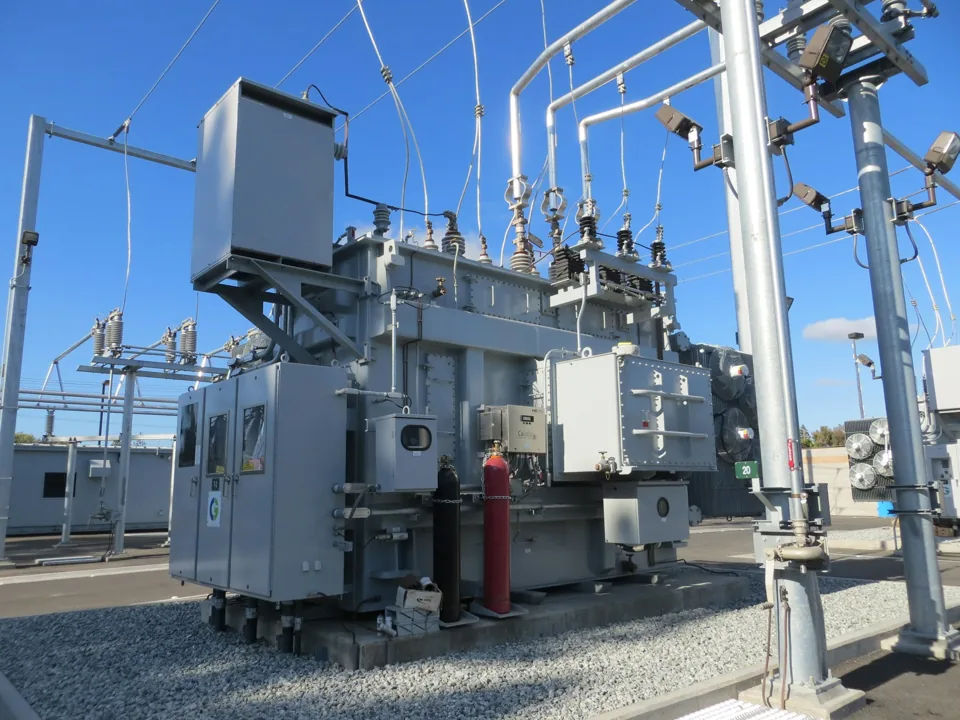
Electrical transformer at a Silicon Valley Power substation. Illustrative photography. American Public Power Association · Unsplash License. Illustrative infrastructure; no client relationship or endorsement is implied. Image source and credit ↗ · License ↗.
Reviewed November 3, 2026. Requirements and project status can change. Confirm current applicability and complete policy wording before relying on this material.