
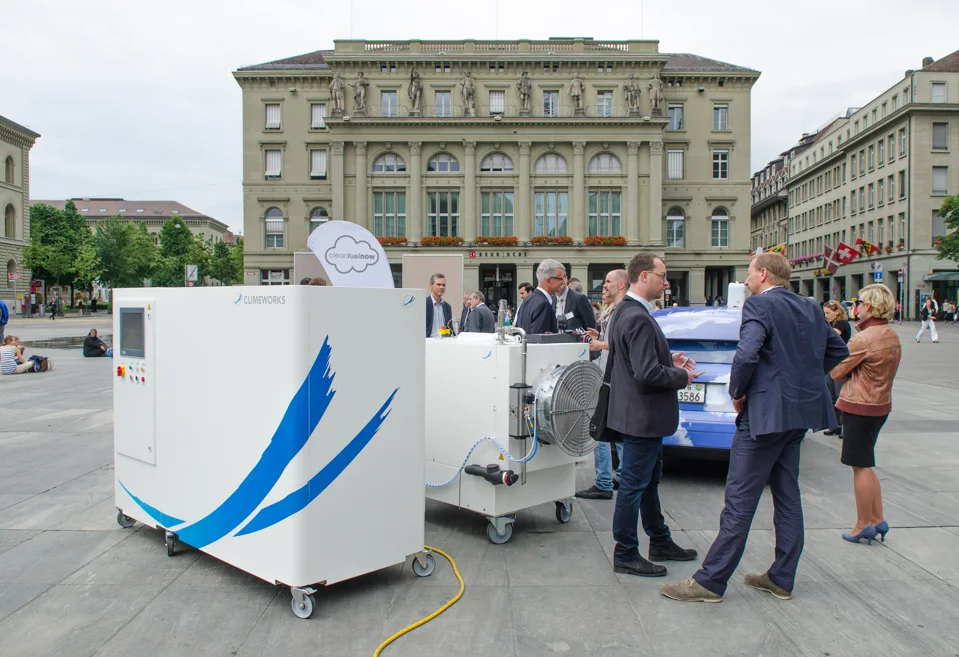
FOR Carbon capture developers, host facilities and EPC contractors
Separate capture from transport and storage
Carbon capture is one part of a wider chain that may include conditioning, compression, transport and injection. DOE describes capture, utilization and storage as connected but distinct activities. Identify the host facility, project owner and operator for each stage. Document ownership of capture units, compressors, utilities and tie-ins to the existing plant. A project described simply as carbon capture may place different contractual duties on several entities, and a failure at one interface can affect the economics of the entire chain.
Review construction and host-property risk
Retrofitting a capture system into an operating plant creates an interface between new construction and existing assets. Review builders risk or installation wording for damage to host property, testing, commissioning and phased acceptance. Identify responsibility for shutdown windows and temporary modifications. Engineering or process design errors may require professional liability analysis, but that does not imply a guarantee of capture efficiency. Ask how defective components and resulting damage are treated. Values should include specialized equipment, freight, installation and a credible replacement plan.
Distinguish process performance from insured loss
Capture rate, energy consumption, product specification and availability commitments are commercial obligations. Do not assume property or liability insurance pays for failing to meet them. Review the event required for interruption coverage and the treatment of dependence on the host plant, transport operator or storage facility. Identify who bears off-specification carbon dioxide and who can reject a shipment. Environmental review should address the actual process materials and waste streams, with permitting obligations determined from the project’s jurisdiction and technical details.
Consider a capture unit that is ready to operate but cannot deliver because the downstream transport system is unavailable. Compare that situation with a shutdown caused by physical damage to the capture unit itself. The commercial effect may look similar, but policy triggers and contractual remedies may differ. Identify any dependency extension being requested and the evidence needed to support it. This review is particularly useful before finalizing revenue projections, because availability of the full chain is not established by the capture equipment alone.
Prepare the interface documentation
Provide process flow descriptions, ownership diagrams, engineering studies, performance contracts, host agreements and commissioning criteria. Map custody transfer and liability allocation from capture to the next stage. Include equipment lead times, maintenance arrangements and loss scenarios for shared utilities. Where the project relies on tax incentives or credits, obtain separate tax and legal advice; ordinary insurance should not be represented as protecting every eligibility or credit risk. A coordinated review can identify insurable physical and liability exposures while making retained performance and commercial risks explicit.
Questions for your next review
- Who bears damage to the operating host facility during retrofit?
- What happens contractually when captured product is rejected?
- Which interruption dependencies are expressly addressed by the proposed wording?
Connect this topic to your program
Bring the operational details above into a coordinated review of your contracts, loss history and actual policy wording. Explore Montridge environmental contractor insurance services for the related brokerage service.
Source references
Primary-source background informs the technical discussion. Insurance review questions are educational interpretation; a source link does not establish coverage or certify compliance.
Prepared November 1, 2026. Confirm current requirements and their application to your work before relying on them. Specific insurance outcomes require review of the complete policy and endorsements.