
FOR Hydrogen developers, production operators and process contractors
Identify the production technology
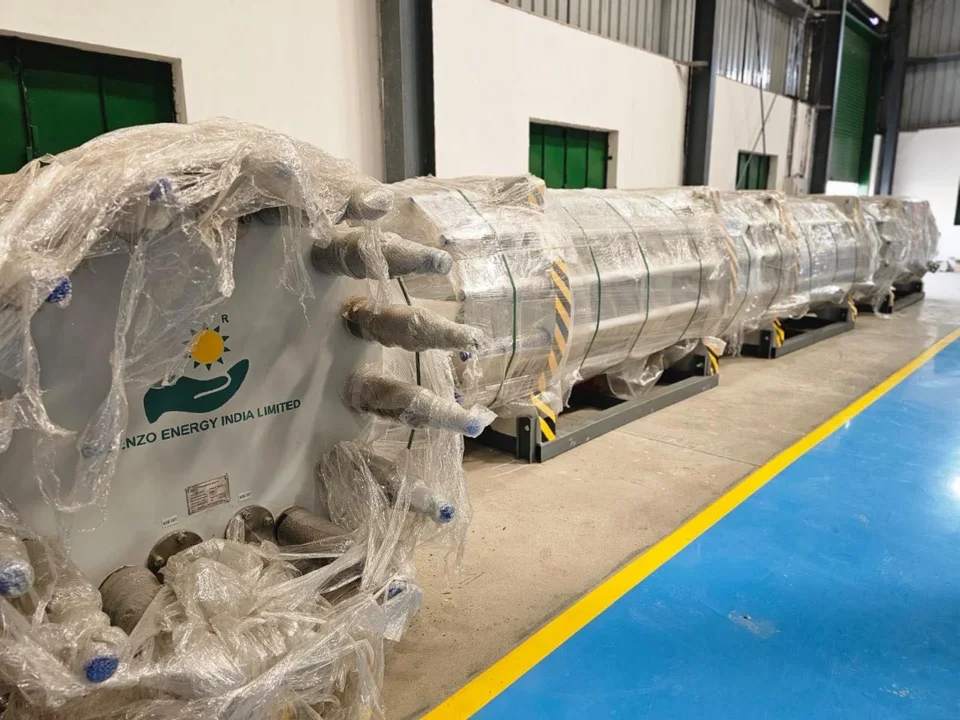
Hydrogen production can involve different feedstocks, energy inputs and process equipment. Identify electrolysis, reforming or another process accurately and describe compression, storage and loading within the site boundary. DOE’s hydrogen safety guidance explains why hydrogen-specific handling, detection and material considerations matter. The insurance submission should identify the actual operating pressures, equipment and neighboring exposures through engineering documentation. A broad clean-energy description does not explain the process risk or establish that a policy written for another industrial gas is suitable.
Review physical loss and safety evidence
Work with qualified engineers to document containment, ventilation, detection, shutdown and emergency response arrangements appropriate to the facility. The insurance review should examine property damage, machinery breakdown, fire, explosion and damage to surrounding property. Engineering design and safety decisions require qualified technical review. Ask how proposed wording treats prototypes, first-of-kind equipment, testing, defective components and resulting damage. Identify replacement suppliers and spare capacity for electrolyzers, compressors and electrical equipment. A manufacturer warranty may address a defective part without addressing the full financial effect of an extended shutdown.
Separate product, performance and environmental obligations
Supply agreements may specify purity, pressure, volume and delivery availability. Review off-specification product, contractual penalties and customer loss as distinct issues. Determine whether requested insurance addresses a covered liability allegation, physical damage or a separate performance risk; do not assume all production shortfalls are insured. For projects paired with carbon capture or renewable power, map the dependency on those systems. Identify water, waste and other environmental interfaces from actual permits and process information, with legal and technical advisers determining applicable obligations.
A useful project exercise follows a compressor breakdown that prevents delivery while the main production equipment remains intact. Establish the spare strategy, repair lead time and contractual delivery obligations. Review whether the income loss analysis depends on damage to the compressor and how the compressor is scheduled. Separately consider a purity shortfall without equipment damage. Comparing the two events helps distinguish accidental loss from process performance and reduces the risk of describing all missed hydrogen sales as insured interruption.
Build the underwriting package
Provide process descriptions, engineering reports, equipment values, commissioning plans, operating experience, contracts and emergency arrangements. Identify which entity controls production, storage and transport, and when title and risk in the hydrogen transfer. Explain any new technology and changes from a demonstrated reference design. For contractors, disclose engineering responsibility and process testing. A well-prepared review should show what the business retains, what it seeks to insure and which questions require specialist underwriting rather than relying on the hydrogen label alone.
Questions for your next review
- Which technology and operating conditions have underwriters actually reviewed?
- How are purity and delivery commitments treated under the proposed program?
- Where does responsibility transfer from production to storage and transport?
Connect this topic to your program
Bring the operational details above into a coordinated review of your contracts, loss history and actual policy wording. Explore Montridge energy services insurance services for the related brokerage service.
Source references
Primary-source background informs the technical discussion. Insurance review questions are educational interpretation; a source link does not establish coverage or certify compliance.
Prepared November 1, 2026. Confirm current requirements and their application to your work before relying on them. Specific insurance outcomes require review of the complete policy and endorsements.