FOR Compressor station owners, midstream operators and compression service firms
Treat the station as a connected machinery system
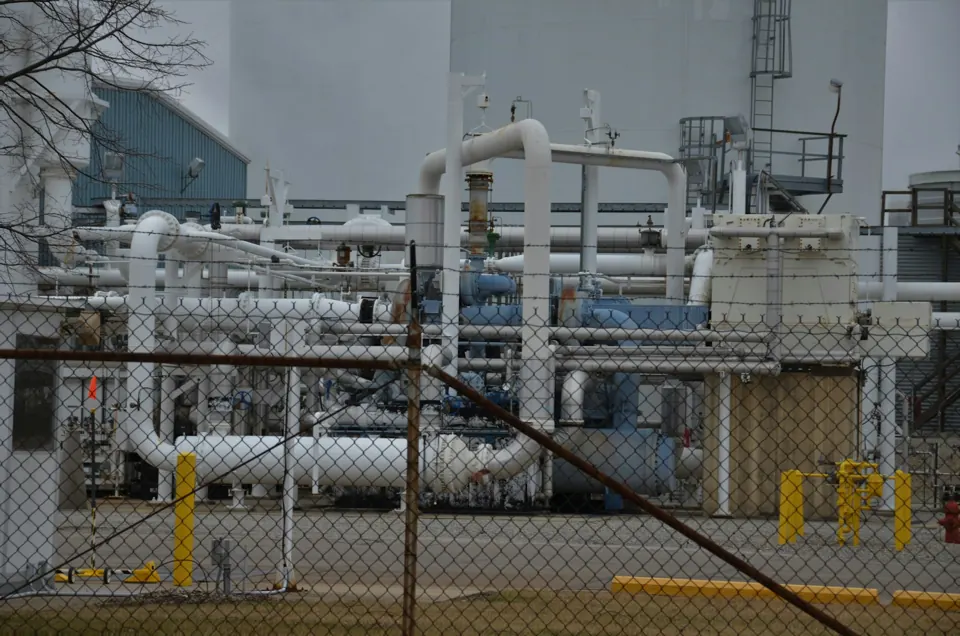
A compressor station combines drivers, compression equipment, controls, cooling, lubrication and supporting utilities. The insurance schedule should describe the operating train and its dependencies rather than list the largest machine alone. Identify equipment owned by the operator, leased packages and units maintained under third-party service agreements.
Separate standby capacity that is genuinely available from equipment that shares the same vulnerable power, control or cooling source. A nominal spare may not reduce downtime if it cannot handle the required service or must first be moved and commissioned. PHMSA’s facility information provides regulatory context; this page concentrates on insurance and continuity questions rather than repeating the broader gathering-system review.
Compare repair costs with lost-throughput consequences
A failed component may cause damage within a compressor, affect connected machinery and interrupt delivery commitments. Review property and equipment breakdown terms together, including mechanical failure, testing, wear, defects and the treatment of resulting damage. Do not assume that purchasing equipment breakdown resolves every exclusion in the property program.
Quantify the likely repair sequence, specialist labor, transport and replacement-part lead time. Business interruption may depend on a covered damage trigger and a defined insured revenue interest. Lost throughput, make-up volumes, customer penalties and alternative compression costs should be separated. A contract requiring uninterrupted service does not make every associated financial loss insurable or included.
Address releases and maintenance interfaces
Station maintenance can introduce temporary equipment, opening of systems, hot work and changes in operating configuration. A contractor’s error may affect the operator’s machinery, while a release may involve both property damage and pollution allegations. Identify who isolates equipment, accepts completed work and authorizes restart.
Review contractors’ liability and professional services where technical recommendations are supplied, but retain an owner-focused analysis of the station’s own property and interruption exposure. Certificates do not establish coverage for damage to the particular equipment being worked on. Pollution wording should be checked for the actual operations, cleanup responsibilities and reporting conditions rather than inferred from a general energy-business classification.
Present redundancy and recovery evidence
Provide equipment schedules, values, age, major overhaul history and service arrangements. Include maintenance practices, spares, remote monitoring, shutdown controls and a realistic recovery plan. Explain changes in gas composition or operating duty that affect the equipment assessment, and disclose leased or rental compression that supplements permanent trains.
Following a failure, preserve operating trends, inspection records and damaged components where practical. Track repair expense separately from production or throughput loss and contractual demands. Before adding a new train, review construction, testing and operational handover dates so the project does not fall between programs. Clear evidence of the system and its recovery options supports a more useful discussion than a single replacement-value figure.
Operational exposures & coverage review
These review points are educational interpretation, not promises of insurance coverage.
| Exposure | Insurance review |
|---|---|
| Common dependency | Identify shared power, cooling and control failures. |
| Repair duration | Document spares and specialist recovery requirements. |
| Throughput loss | Separate insured earnings from contract penalties. |
Questions for your next review
- Can standby units operate independently?
- What damage trigger applies to lost throughput?
- Who controls restart after contractor maintenance?
Connect this topic to your program
Bring the operational details above into a coordinated review of your contracts, loss history and actual policy wording. Explore Montridge energy services insurance services for the related brokerage service.
Source references
Primary-source background informs the technical discussion. Insurance review questions are educational interpretation; a source link does not establish coverage or certify compliance.
PHMSA describes facility and construction inspection subjects, including welding, testing and LNG operations.
Scope: United States; applicable federal/state pipeline and LNG jurisdiction · Source reviewed 2026-11-01
PHMSA distinguishes federal and state pipeline oversight.
Scope: United States; pipeline safety jurisdiction · Source reviewed 2026-11-01
Prepared November 1, 2026. Confirm current requirements and their application to your work before relying on them. Specific insurance outcomes require review of the complete policy and endorsements.