
FOR Gas processors, plant owners, and operations managers
Describe the process and incoming feed
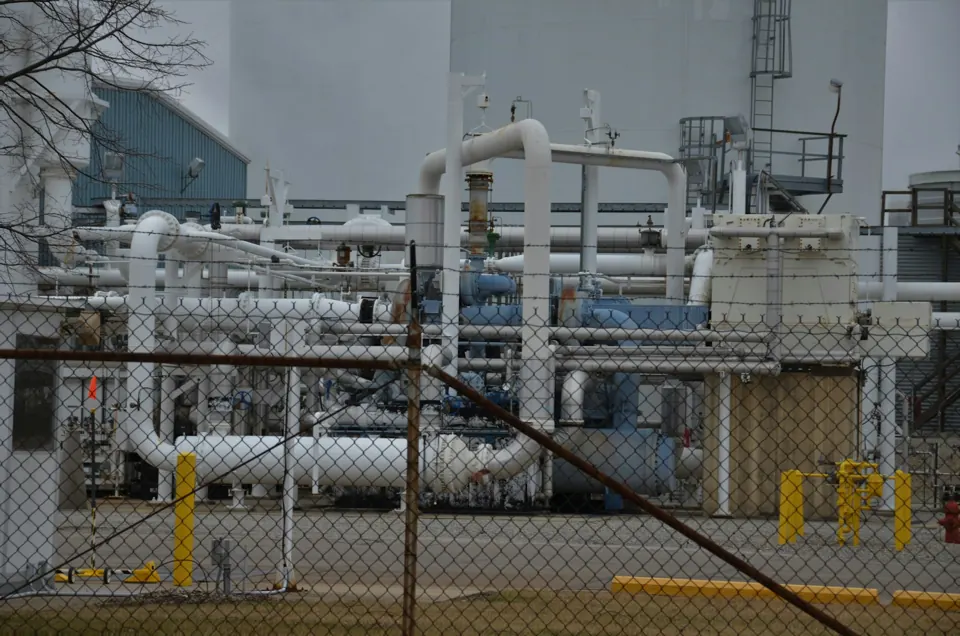
A gas processing submission should explain the actual process, incoming feed characteristics, products, storage, and connections to gathering and takeaway infrastructure. Identify what is owned, operated, and maintained by the insured. Distinguish a processing facility from a wellsite or a transmission asset rather than relying on a broad energy label.
Provide a process overview at a level suitable for insurance review, supported by engineering information where needed. Material changes in feed, capacity, technology, or operating mode should be disclosed. The intent is to evaluate the current facility, not an outdated description inherited from an earlier policy year.
Coordinate property and machinery protection
Review buildings, process equipment, compressors, control systems, inventories, and utilities against replacement values and available policy terms. Ask how mechanical or electrical breakdown is treated and whether relevant exclusions or conditions affect the proposed protection. Distinguish damaged equipment from the cost of restoring production.
Long-lead components and specialist repair resources can drive the size of an interruption even when the damaged item is relatively small. Document spares, redundancy, repair agreements, and alternate processing options. Valuation and recovery planning should be reviewed together rather than assigning an arbitrary interruption period based only on last year’s schedule.
Examine releases and process interfaces
A release can raise questions about cleanup, third-party injury or property damage, emergency response costs, and damage to the insured facility. Review pollution provisions and the boundary between onsite and offsite consequences. The presence of general liability should not be treated as a complete answer to contamination exposures.
OSHA’s process safety resources provide a starting point for process hazard review, but applicability of specific requirements must be assessed for the facility. Insurance preparation should accurately describe management of change, maintenance, shutdown arrangements, and contractor control without presenting an insurance discussion as an engineering or compliance certification.
Test commercial dependencies before renewal
Gather processing agreements, supply arrangements, offtake contracts, site values, loss information, and engineering reports. Identify whether contracts allocate product loss, contamination, throughput commitments, or consequential losses. Counsel should assess the legal obligations and the broker should assess the insurance terms against them.
Review damage at a supplier, pipeline connection, or customer facility as a separate scenario from damage at the plant. Ask what must happen for any dependent business interruption provision to respond. Record uninsured or uncertain obligations clearly so that management can make an informed decision about retained risk.
Consider customer-owned material separately from the plant’s own inventory. A processing agreement may impose responsibility for quantity, specification, or return of product even when no physical damage to the plant occurs. Clarifying those obligations helps avoid confusing a commercial reconciliation or quality dispute with an insured property loss and supports a more accurate discussion of retained contractual exposure.
Questions for your next review
- How is equipment breakdown treated?
- What happens if feed or takeaway infrastructure is unavailable?
- Do contracts assign contamination or throughput obligations?
Connect this topic to your program
Bring the operational details above into a coordinated review of your contracts, loss history and actual policy wording. Explore Montridge energy services insurance services for the related brokerage service.
Source references
Primary-source background informs the technical discussion. Insurance review questions are educational interpretation; a source link does not establish coverage or certify compliance.
Prepared November 1, 2026. Confirm current requirements and their application to your work before relying on them. Specific insurance outcomes require review of the complete policy and endorsements.