FOR Gathering companies, compression operators, and equipment service firms
Identify who owns and operates each component
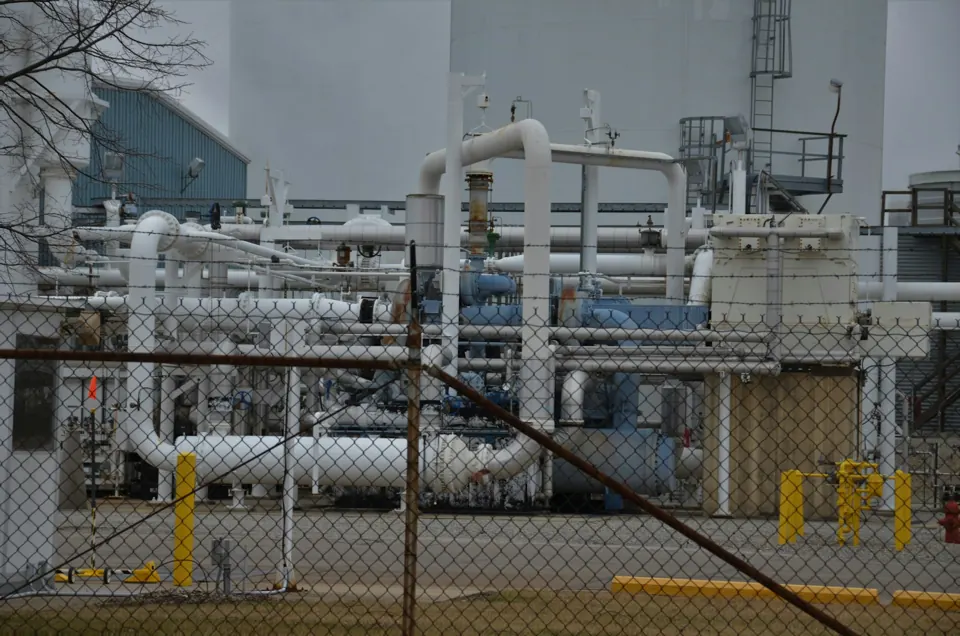
Gathering systems and compressor stations can involve operator-owned assets, leased packages, contract compression, and third-party connections. Build a schedule that distinguishes ownership from operating and maintenance responsibility. Identify mobile or relocated equipment and explain how locations change during the policy period.
Describe the gas or other material handled, the service territory, and the interfaces with production and processing facilities. A single revenue figure may conceal materially different activities such as equipment rental, installation, operation, and repair. Those activities should be disclosed separately so the insurance review follows the actual business.
Review machinery and property in use
Compression equipment can create property, machinery, and customer-property questions at the same time. Ask how owned equipment, leased packages, temporary replacements, and components at a repair facility are treated. Review valuation, transit, offsite storage, and any restrictions applying while equipment is being installed or tested.
Distinguish damage to the insured’s own machine from alleged damage to a customer’s property or loss of output. A maintenance agreement may allocate repair costs or performance obligations that are not insured. Compare those obligations with the relevant policy exclusions and do not assume a service warranty is an insurance commitment.
Map the interruption beyond one station
Failure of a small component may affect several producing locations or a larger processing chain. Document the system’s redundancy, bypass arrangements, spare packages, and repair lead times. Explain whether the insured earns fees based on availability, throughput, or another contractual measure.
Review how business interruption and third-party claims are intended to be addressed. Damage at a connected facility, loss of power, and purely contractual service penalties may require different analysis. Use representative scenarios to reveal gaps, but obtain written policy interpretation before describing any scenario as covered.
Show maintenance and contract controls
Prepare equipment schedules, location records, service agreements, maintenance information, and loss runs. Explain who authorizes shutdowns, performs repairs, and coordinates with the customer. Include how changes in operating conditions or equipment assignments are communicated to the insurance team.
Have counsel review indemnity, limitation-of-liability, and performance terms. Ask the broker to assess additional insured obligations, property responsibilities, pollution exposure, and the alignment of excess coverage. The review should result in a clear record of what is insured, what is retained, and what needs further underwriting confirmation before accepting a new service commitment.
Check whether equipment is moved between customers during the year and whether reporting procedures capture those moves promptly. A location list that is accurate only at renewal can create uncertainty about a package’s status at the time of damage. The same review should identify temporary substitutes and units awaiting installation, because they may occupy different points in the equipment’s service lifecycle.
Questions for your next review
- Are rental, installation, operation, and repair separately described?
- Who bears customer downtime obligations?
- Are relocated and temporary compressor packages addressed?
Connect this topic to your program
Bring the operational details above into a coordinated review of your contracts, loss history and actual policy wording. Explore Montridge energy services insurance services for the related brokerage service.
Source references
Primary-source background informs the technical discussion. Insurance review questions are educational interpretation; a source link does not establish coverage or certify compliance.
Prepared November 1, 2026. Confirm current requirements and their application to your work before relying on them. Specific insurance outcomes require review of the complete policy and endorsements.