
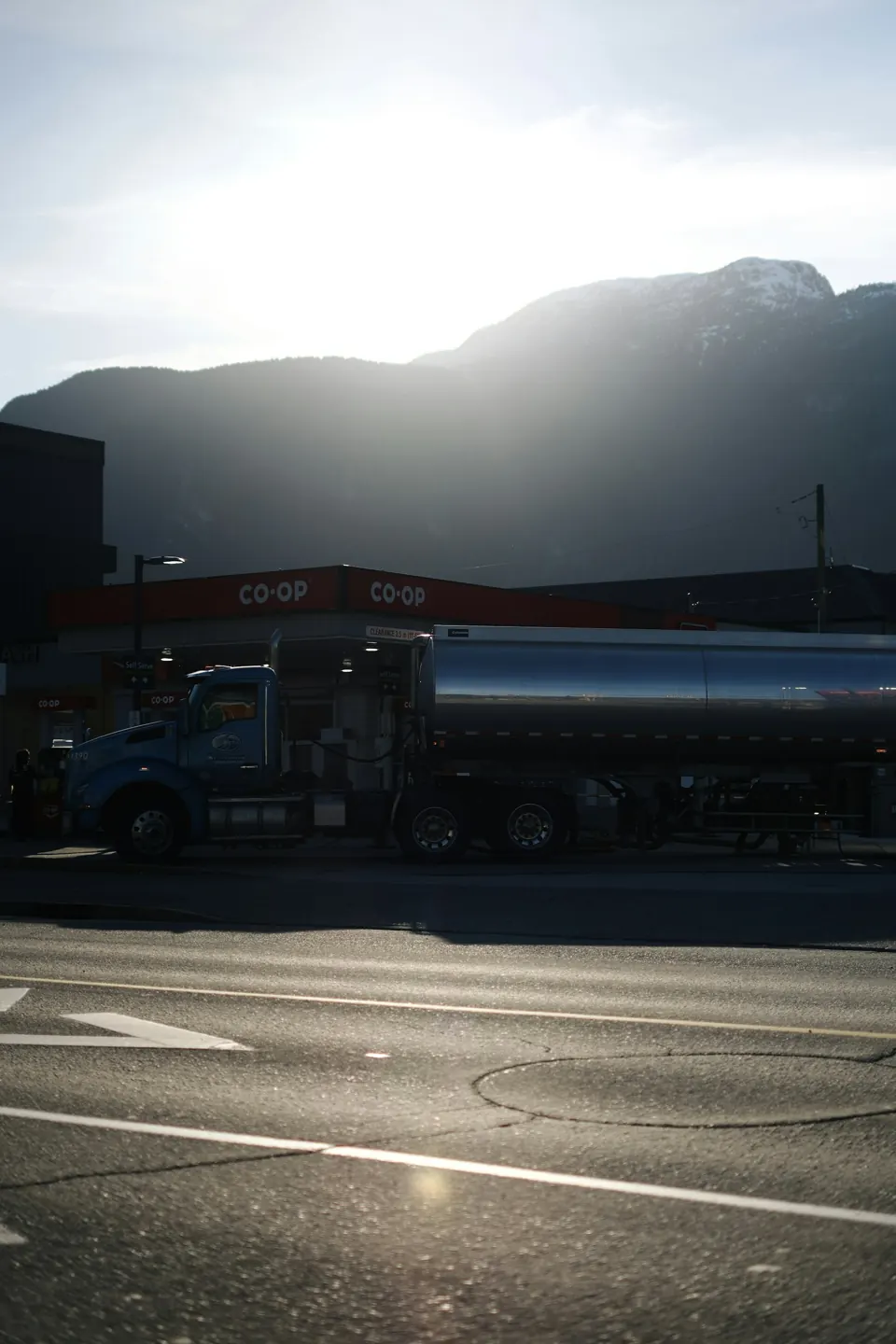
FOR Energy fleet owners, service contractors, and logistics managers
Describe the fleet by operating purpose
An energy fleet may combine service pickups, bucket trucks, fuel tankers, vacuum units, cranes mounted on vehicles, and tractor-trailers carrying heavy equipment. The insurance review should identify each vehicle’s use, operating radius, cargo, garaging, and driver responsibilities. A vehicle schedule alone rarely explains the full operation.
Include hired vehicles, employee-owned vehicles used for business, and equipment moved between affiliated entities. Document which entity owns, leases, dispatches, and operates each unit. Ask how specialized equipment is treated while traveling, parked, lifting, pumping, or otherwise performing work at a site.
Review loading, unloading, and pollution interfaces
Fuel transfer, waste hauling, and chemical delivery create questions that cross auto, general liability, cargo, and pollution placements. Build a sequence of the operation from pickup to delivery and identify when custody changes. Review hoses, pumps, temporary storage, and cleanup responsibilities explicitly.
Do not assume an auto policy supplies the intended environmental protection because a vehicle was involved. Equally, a pollution placement may contain vehicle, cargo, or loading restrictions. Compare the actual forms and endorsements, and distinguish contractual cleanup obligations from the insurer’s defined coverage trigger and insured costs.
Assess fleet controls and retained costs
Provide driver qualification practices, maintenance records, vehicle inspection arrangements, and procedures for fatigue, distracted driving, and route planning. Describe remote-road conditions, emergency mobilizations, and oversized-load practices where relevant. These facts help frame underwriting questions and internal risk decisions.
Review physical damage values, deductibles, towing, recovery, and substitute-vehicle needs. A disabled specialist unit may require expensive recovery and long replacement lead times. Consider those operational consequences alongside vehicle repair costs, while recognizing that downtime or lost income is not automatically part of physical damage insurance.
Keep the placement aligned with change
Establish a process for reporting newly acquired units, leased equipment, new commodities, and changes in operating territory. Confirm how trailers, permanently attached equipment, and temporary rentals are scheduled or otherwise addressed. Review auto limits and the excess program together.
Before signing a transportation or site-access agreement, compare insurance requirements against the actual fleet arrangement. Keep incident instructions available to drivers and dispatchers, including emergency response, evidence preservation, and insurer reporting. A fleet review is most useful when it connects policy wording with daily dispatch and maintenance decisions.
Check whether a customer’s site rules require specific evidence before vehicles enter the premises. Compare those requests with the entities and vehicles actually performing the delivery. For mixed fleets, review any assumptions that all units have the same cargo, radius, or attachment configuration. Accurate distinctions are more useful than a single description that obscures specialist or occasional activities.
Questions for your next review
- Which policy addresses each stage of transfer and delivery?
- Are hired and employee-owned vehicle exposures addressed?
- How are specialized equipment values and recovery costs treated?
Related Montridge webinars
Energy logistics and fleets
Commercial Fleet Insurance for Energy Service Companies: What Companies Should Review
Clicking Load video connects to YouTube. No player loads automatically.
Watch on YouTube ↗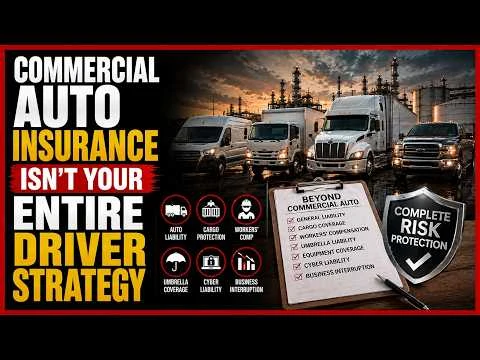
EPC, contracts and commercial coverage
Commercial Auto Insurance Isn't Your Entire Driver Risk Strategy
Clicking Load video connects to YouTube. No player loads automatically.
Watch on YouTube ↗Connect this topic to your program
Bring the operational details above into a coordinated review of your contracts, loss history and actual policy wording. Explore Montridge energy logistics insurance services for the related brokerage service.
Source references
Primary-source background informs the technical discussion. Insurance review questions are educational interpretation; a source link does not establish coverage or certify compliance.
Prepared November 1, 2026. Confirm current requirements and their application to your work before relying on them. Specific insurance outcomes require review of the complete policy and endorsements.