
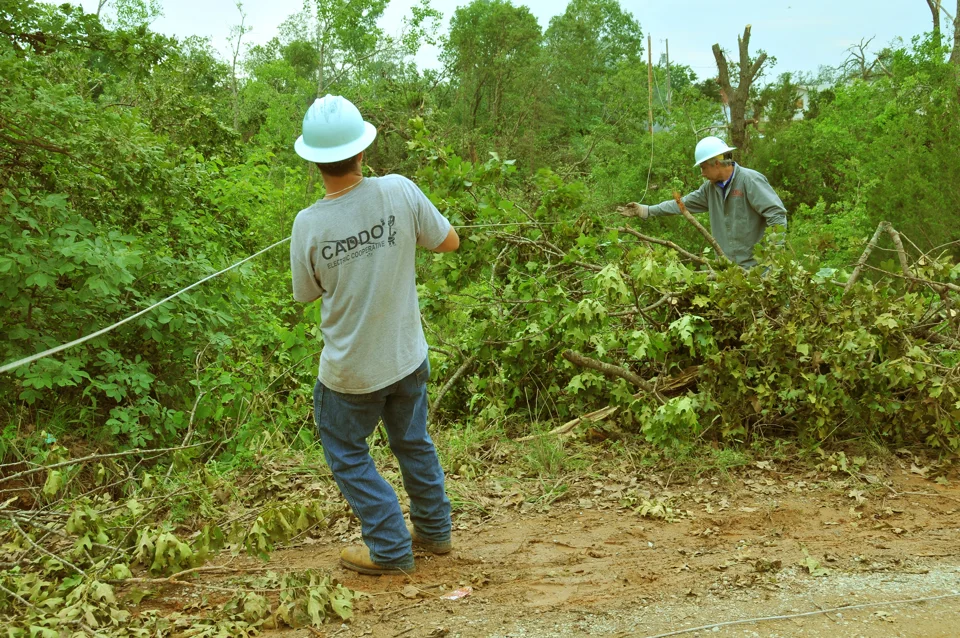
FOR Sending and receiving utilities, mutual-assistance coordinators and restoration managers
The assistance agreement is the starting point
DOE describes mutual assistance as a framework for sharing personnel and equipment to accelerate restoration. The practical insurance question is how the sending and receiving organizations allocate responsibility during deployment. A standing agreement may address reimbursement, supervision, equipment damage and liability differently from a normal construction contract.
Identify the employers of all deployed workers, the owners of borrowed equipment and the entity directing field operations. Include travel, staging, lodging and demobilization. A crew does not become part of the receiving utility’s insurance program merely because it follows local dispatch instructions. Review the agreement and actual working relationship before assuming which policy should respond.
Employees and vehicles cross jurisdictional boundaries
Workers’ compensation and employers liability need review against the territories and employment arrangements involved. Confirm the relevant policy provisions and applicable state requirements with the appropriate advisers, including any special issues when crews move into a state with a different compensation system. Avoid relying solely on the sending utility’s home-state payroll classification.
Vehicles may travel long distances, operate under fatigue pressure and carry borrowed equipment. Review automobile liability, physical damage, hired or nonowned vehicle arrangements and responsibility for trailers or specialty machinery. A reimbursement schedule for damaged equipment does not itself create insurance. Record condition, ownership and authorized users when assets are transferred between organizations.
Restoration urgency does not resolve liability allocation
An incident can involve the receiving utility’s switching instructions, a sending crew’s execution and a subcontractor’s traffic control. Review contractual indemnity, additional-insured arrangements, defense obligations and any limits on recoverable consequential losses. Those provisions should be evaluated together rather than treating a certificate as a complete allocation of risk.
For an equipment loss, distinguish ordinary wear, accidental damage and the costs of replacing unavailable machinery. For third-party claims, preserve the dispatch record and the chain of supervision. The response plan should identify who notifies each insurer and who coordinates investigation when the event affects more than one utility or policy tower.
Prepare the deployment file before the emergency
Maintain current assistance agreements, insurance contacts, equipment schedules and a documented process for checking territorial issues. A deployment file should capture crew rosters, travel dates, work locations, borrowed assets and the authority to approve changes in scope. Standardized records can reduce uncertainty when emergency operations move quickly.
After demobilization, reconcile incidents, near misses, equipment condition and outstanding claims before closing the financial account. Keep records of who performed which work because allegations may surface after service is restored. The review should test both the sending and receiving perspective: protecting one utility’s interests does not automatically protect the other’s employees, equipment or contractual responsibilities. Include responsibility for damage discovered only when borrowed equipment is returned to its owner.
Operational exposures & coverage review
These review points are educational interpretation, not promises of insurance coverage.
| Exposure | Insurance review |
|---|---|
| Interstate crews | Review compensation and territorial arrangements before deployment. |
| Borrowed assets | Document condition, ownership and damage responsibility. |
| Shared supervision | Retain dispatch instructions and incident-notice contacts. |
Questions for your next review
- Who employs and supervises deployed crews?
- Are travel territories and borrowed equipment addressed?
- Who coordinates notices when several utilities are implicated?
Related Montridge webinars
Utility risk-management context for coordinated recovery operations.

Energy operations
Energy & Utility Risk Management: 10 Biggest Risks Facing Utilities Today
Clicking Load video connects to YouTube. No player loads automatically.
Watch on YouTube ↗Connect this topic to your program
Bring the operational details above into a coordinated review of your contracts, loss history and actual policy wording. Explore Montridge power & utility contractor insurance services for the related brokerage service.
Source references
Primary-source background informs the technical discussion. Insurance review questions are educational interpretation; a source link does not establish coverage or certify compliance.
Utility mutual assistance shares personnel and equipment under agreements with differing responsibilities.
Scope: United States; technical background and applicable federal framework · Source reviewed 2026-11-01
OSHA federal electric-power operations and maintenance scope; applicability depends on the work.
Scope: United States; technical background and applicable federal framework · Source reviewed 2026-11-01
Prepared November 1, 2026. Confirm current requirements and their application to your work before relying on them. Specific insurance outcomes require review of the complete policy and endorsements.