
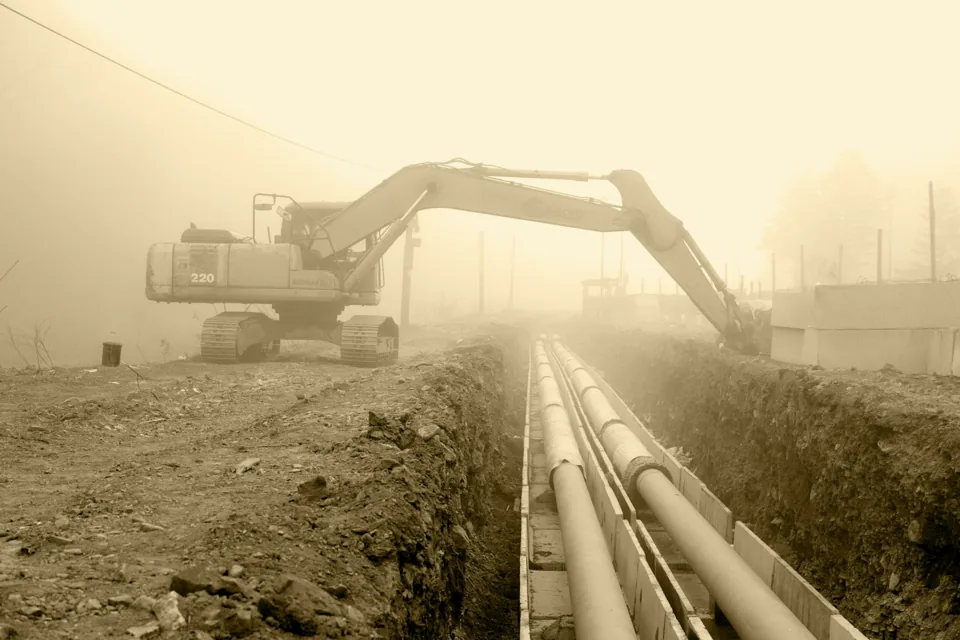
FOR Energy construction contractors and industrial project managers
Describe the work and the project environment
Energy construction can involve civil work, mechanical installation, electrical systems, structural work, and specialist subcontractors. Identify what the contractor performs directly and where it works, including operating facilities, greenfield sites, and remote infrastructure. The surrounding environment can materially change the consequences of otherwise familiar construction tasks.
Explain project size, contract structure, subcontracting, equipment, and responsibility for design or temporary works. Distinguish new construction from maintenance and emergency repair. An accurate description helps the broker evaluate policy restrictions and avoids assuming that a general construction classification includes every energy-related activity.
Coordinate project property with liability
General liability and project property insurance serve different purposes. Identify who insures materials, work in progress, temporary structures, and equipment, including property in transit or offsite storage. Review owner-arranged coverage carefully and confirm the contractor’s insured status and responsibilities under the actual terms.
Ask how damage to existing plant, property being worked on, defective work, and completed operations is treated. A contractor may retain obligations for repairing its own work even when third-party liability insurance is in place. Compare the contract’s insurance requirements with the policies rather than relying solely on certificates exchanged during procurement.
Examine subcontractor and workforce arrangements
Subcontractors can introduce specialist work, additional jurisdictions, and contractual dependencies. Review their scopes, insurance requirements, and responsibility for property or design. Counsel should evaluate indemnity provisions and the broker should assess additional insured requests, waivers, and excess-policy alignment where relevant.
Describe temporary labor, leased employees, and work performed away from the contractor’s home state. Workers’ compensation and employer exposures need to match actual personnel arrangements. An owner-controlled or contractor-controlled program should be reviewed for enrollment, exclusions, deductibles, and work outside the program rather than assumed to replace every contractor policy.
Keep project changes visible to insurers
Provide contracts, values, payroll, revenue, equipment schedules, loss runs, and a clear operational narrative. Establish a review process for scope changes, new locations, major subcontract awards, and testing or handover. These changes can affect insurance even when they are treated commercially as a routine change order.
Ask for a written record of material limitations and unresolved contractual obligations. The goal is to identify decisions before the contractor commits to them. Insurance is one part of project risk allocation; safety management, quality control, contract negotiation, and retained financial capacity remain essential regardless of the limits purchased.
For work inside an operating facility, identify who controls shutdown windows and access to existing systems. A contractor may have limited authority over production decisions while still accepting broad obligations in its agreement. Bringing those facts into the review helps counsel and the broker distinguish the contractor’s practical control from the financial responsibility the contract attempts to impose on it.
Questions for your next review
- Who insures work in progress and existing plant?
- Are design and temporary works responsibilities disclosed?
- What project changes require insurer review?
Related Montridge webinars
Energy operations
Energy Contractor Insurance Checklist: Before Mobilizing a Project
Clicking Load video connects to YouTube. No player loads automatically.
Watch on YouTube ↗
Energy operations
Energy Project Insurance Requirements (What Contractors Miss)
Clicking Load video connects to YouTube. No player loads automatically.
Watch on YouTube ↗Connect this topic to your program
Bring the operational details above into a coordinated review of your contracts, loss history and actual policy wording. Explore Montridge EPC insurance services for the related brokerage service.
Source references
Primary-source background informs the technical discussion. Insurance review questions are educational interpretation; a source link does not establish coverage or certify compliance.
Prepared November 1, 2026. Confirm current requirements and their application to your work before relying on them. Specific insurance outcomes require review of the complete policy and endorsements.