FOR Energy engineers, design consultants, and technical advisory firms
Define the professional services being delivered
Energy engineering firms may provide feasibility studies, detailed design, procurement support, inspection, commissioning advice, or construction administration. Describe the actual services and the disciplines involved. Distinguish advisory work from responsibility for construction means, equipment operation, or overall project performance.
Identify whether the firm contracts directly with the owner or serves another consultant or EPC contractor. Review the territories, project types, subcontracted disciplines, and revenue by service. An insurance description that says engineering may be too broad to explain a new high-hazard process or a materially expanded contractual role.
Review professional liability against the contract
Professional liability should be examined using the proposed policy wording, not simply the limit shown on a certificate. Review the definition of professional services, insured entities, exclusions, reporting conditions, and relevant retroactive or continuity provisions where applicable. Ask how subcontracted design and joint ventures are treated.
Counsel should review the contract’s standard of care, warranties, indemnities, and liability limitations. A promise to achieve a particular result can create obligations different from an allegation of negligent professional services. The broker should identify insurance implications without presenting the policy as a guarantee of the engineering firm’s contractual performance.
Coordinate onsite and nonprofessional exposures
Engineering personnel may visit operating plants, construction sites, terminals, or remote locations. Review workers’ compensation, employers liability, automobile, and general liability for those activities. Explain inspections, sampling, testing, or other hands-on tasks that differ from office-based design.
Professional and general liability policies may approach an allegation differently, particularly where both advice and physical work are involved. Ask the broker to examine their interaction. Document who controls site safety and operational decisions, while recognizing that contractual language alone may not determine every legal duty arising from the firm’s actual conduct.
Maintain evidence and continuity through the project
Useful submission information includes service descriptions, project lists, contracts, revenue, claims history, quality review practices, and subcontractor arrangements. Keep records of design changes, assumptions, approvals, and instructions affecting the scope. These records support a clear account of the services provided if a dispute later arises.
Review continuity and reporting obligations when changing insurers, merging entities, or closing a project. A completed design can remain relevant long after construction ends. Ask the broker to document important limitations and counsel to evaluate contractual commitments before accepting new work, especially where the client requests guarantees or unusually broad indemnities.
Where the client requests reliance by lenders, purchasers, or other third parties, review that request before issuing a report or reliance letter. The intended audience and permitted use may affect the professional engagement and the insurance discussion. Counsel should assess the added obligation, while the broker considers whether the expanded role remains within the declared services and applicable policy terms.
Questions for your next review
- Does the contract require a result beyond a professional standard of care?
- Are subcontracted disciplines and joint ventures addressed?
- How are onsite tasks described to insurers?
Related Montridge webinars
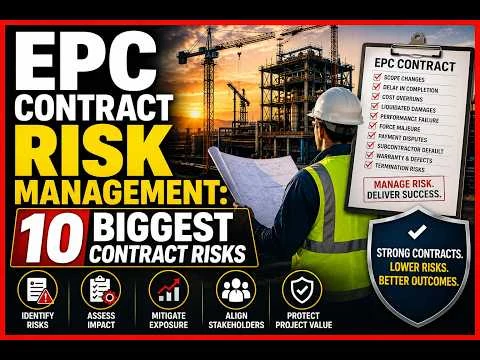
EPC, contracts and commercial coverage
EPC Contract Risk Management: 10 Biggest Contract Risks
Clicking Load video connects to YouTube. No player loads automatically.
Watch on YouTube ↗Connect this topic to your program
Bring the operational details above into a coordinated review of your contracts, loss history and actual policy wording. Explore Montridge infrastructure engineering insurance services for the related brokerage service.
Source references
Primary-source background informs the technical discussion. Insurance review questions are educational interpretation; a source link does not establish coverage or certify compliance.
Prepared November 1, 2026. Confirm current requirements and their application to your work before relying on them. Specific insurance outcomes require review of the complete policy and endorsements.