FOR Fuel haulers, tanker operators, and energy logistics managers
Describe the cargo and the transportation role
Fuel hauling submissions should identify commodities, tank types, operating territory, routes, customers, and loading or unloading responsibilities. Distinguish motor carrier operations from brokerage, dispatch, or subcontracted transportation. A general trucking description may conceal hazardous materials and energy-specific contracts.
Provide vehicle and driver information, loss history, maintenance practices, and any material changes in operations. Identify work at refineries, terminals, construction sites, and customer facilities. The insurance analysis should address the actual transport activity and cargo rather than assuming that a standard commercial automobile package is sufficient for every haul.
Separate road liability, pollution, and cargo
An accident can damage the vehicle, release product, injure others, and destroy cargo. These are distinct financial interests and may be addressed under different policies or endorsements. Review pollution treatment, loading and unloading provisions, cargo terms, and any exclusions affecting the substances carried.
Ask who owns the product and what the transportation contract requires after a loss. Liability for customer cargo is not identical to direct property insurance on that cargo. Likewise, a required filing or endorsement should not be described as broad pollution insurance without reviewing its purpose, limitations, and relationship to the actual policy.
Examine the terminal-to-customer interface
Loading and unloading create operational interfaces with terminal staff, customer equipment, hoses, pumps, and receiving tanks. Document who connects, supervises, tests, and disconnects the transfer system. Identify any services beyond transportation, such as tank cleaning, pumping, or waste handling.
OSHA’s loading and unloading resources provide safety context, while applicable transportation requirements need current specialist review. From an insurance perspective, accurate descriptions of these tasks help the broker examine policy boundaries. Do not assume the same coverage applies simply because the driver remains near the vehicle throughout the operation.
Review subcontracted haulers and contracts
Collect shipper agreements, customer requirements, subcontractor contracts, and insurance documents. Travelers’ hauling risk guidance emphasizes evaluating contractual risk transfer and the insurance supporting it. Counsel should review indemnity and other obligations; the broker should assess whether the proposed program matches the disclosed operation.
Record retained or uncertain exposures, including product contamination, cleanup, service penalties, and assumed liabilities. Review the program before adding a new commodity, territory, or transportation role. A certificate should confirm arranged insurance, not be used to promise compliance with requirements that have not been evaluated.
For subcontracted movements, confirm whether the insured is merely arranging transportation or also accepting responsibility as a carrier under the customer agreement. That distinction should be reviewed with counsel and disclosed to the broker. The commercial label used by dispatch staff may not capture the legal role assumed, and the resulting insurance questions should be resolved before accepting the shipment.
Questions for your next review
- Which commodities and transfer tasks are disclosed?
- Who owns the cargo and assigns cleanup responsibility?
- Does the business act as carrier, broker, or both?
Related Montridge webinars
Energy logistics and fleets
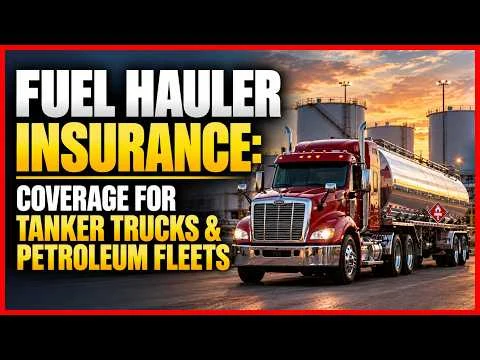
Fuel Hauler Insurance: Coverage for Tanker Trucks & Petroleum Fleets
Clicking Load video connects to YouTube. No player loads automatically.
Watch on YouTube ↗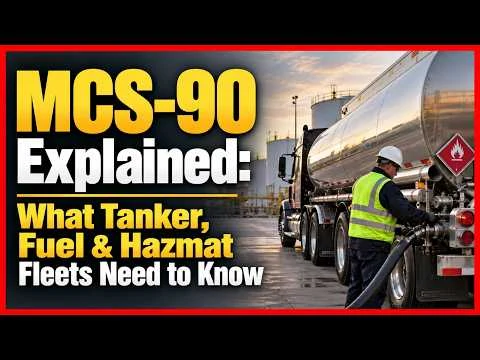
Energy logistics and fleets
MCS-90 Explained: What Tanker, Fuel & Hazmat Fleets Need to Know
Clicking Load video connects to YouTube. No player loads automatically.
Watch on YouTube ↗Connect this topic to your program
Bring the operational details above into a coordinated review of your contracts, loss history and actual policy wording. Explore Montridge energy logistics insurance services for the related brokerage service.
Source references
Primary-source background informs the technical discussion. Insurance review questions are educational interpretation; a source link does not establish coverage or certify compliance.
Prepared November 1, 2026. Confirm current requirements and their application to your work before relying on them. Specific insurance outcomes require review of the complete policy and endorsements.