FOR Heavy-haul carriers, project logistics firms, and equipment owners
Define the move from origin to final position
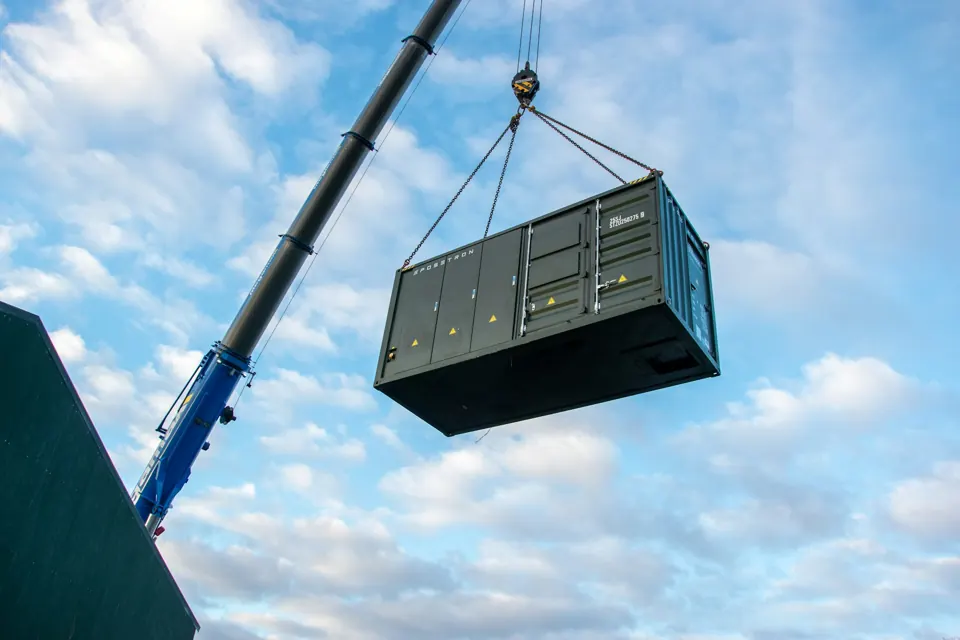
Energy equipment transport can include transformers, turbines, modules, vessels, and other difficult-to-replace items. Describe the complete movement: origin, route, transloading, temporary storage, lifting, and final delivery. Identify which entity is responsible at each stage rather than treating the haul as a single road exposure.
Document cargo dimensions and values, specialist trailers, escorts, subcontractors, and any unusual handling. Permits and route approvals require their own competent review. The insurance task is to clarify the property interest, legal responsibility, and policy terms throughout the move, including handoffs that may otherwise be overlooked.
Separate cargo value from legal liability
The equipment’s replacement value may exceed the carrier’s contractual liability or the available cargo limit. Compare the bill of lading, carriage agreement, and project contract with the proposed coverage. Identify valuation, deductibles, exclusions, and any special conditions for loading, unloading, storage, or unattended equipment.
Ask whether the owner should arrange direct transit protection and how that interacts with the carrier’s liability insurance. Do not assume that a carrier’s certificate establishes full replacement protection for the project owner. The insurance interest and loss settlement basis should be confirmed before the cargo leaves the origin.
Review lifting and installation boundaries
Heavy-haul operations may overlap with rigging, crane work, skidding, and installation. Identify whether the carrier performs those tasks or hands the load to another contractor. Damage during a lift or final placement may fall outside the assumptions used to arrange road transit coverage.
Review property in the contractor’s care, rented equipment, crane responsibilities, and contractual indemnities. Explain lift planning and specialist involvement without using the insurance submission as a substitute for an engineered plan. The broker needs an accurate description of the work to assess whether separate or amended terms are required.
Consider the project consequence of a damaged load
A damaged component may delay an entire energy project while a replacement is manufactured and shipped. Distinguish physical cargo damage from delay, lost revenue, and contractual penalties. Ask whether any delay-related protection is available, what trigger applies, and whose financial interest it would insure.
Prepare shipment details, contracts, cargo values, route information, handling plans, and replacement lead times. Counsel should review liability allocations before the agreement is signed. Resolve limits and special conditions in writing before dispatch; an insurance review completed after the load is on the road may come too late.
Consider intermediate storage as a separate stage of the move. A load may wait for a crane, access approval, or the receiving site to become ready. Identify who controls the storage location and whether the agreed insurance terms address the duration and conditions. This prevents the review from focusing exclusively on moving vehicles while overlooking a potentially lengthy stationary exposure.
Questions for your next review
- Who insures full cargo replacement value?
- Are lifting, storage, and final placement included in the scope?
- What happens to the project if the component must be replaced?
Related Montridge webinars
Energy logistics and fleets
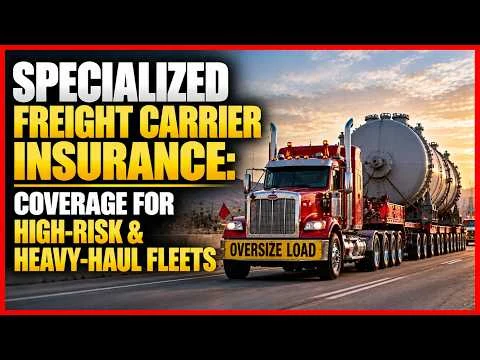
Specialized Freight Carrier Insurance: Coverage for High-Risk & Heavy-Haul Fleets
Clicking Load video connects to YouTube. No player loads automatically.
Watch on YouTube ↗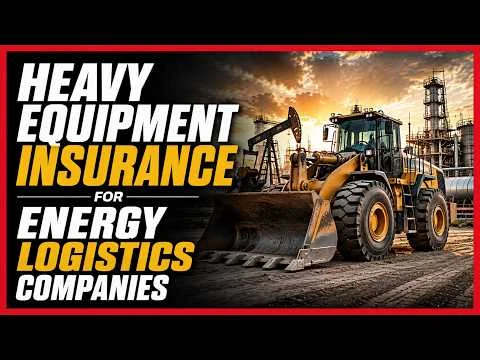
Energy operations
Heavy Equipment Insurance for Energy Logistics Companies
Clicking Load video connects to YouTube. No player loads automatically.
Watch on YouTube ↗Connect this topic to your program
Bring the operational details above into a coordinated review of your contracts, loss history and actual policy wording. Explore Montridge energy logistics insurance services for the related brokerage service.
Source references
Primary-source background informs the technical discussion. Insurance review questions are educational interpretation; a source link does not establish coverage or certify compliance.
Prepared November 1, 2026. Confirm current requirements and their application to your work before relying on them. Specific insurance outcomes require review of the complete policy and endorsements.