
FOR Energy equipment owners, importers, exporters, and logistics coordinators
Map the cargo journey and insured interest
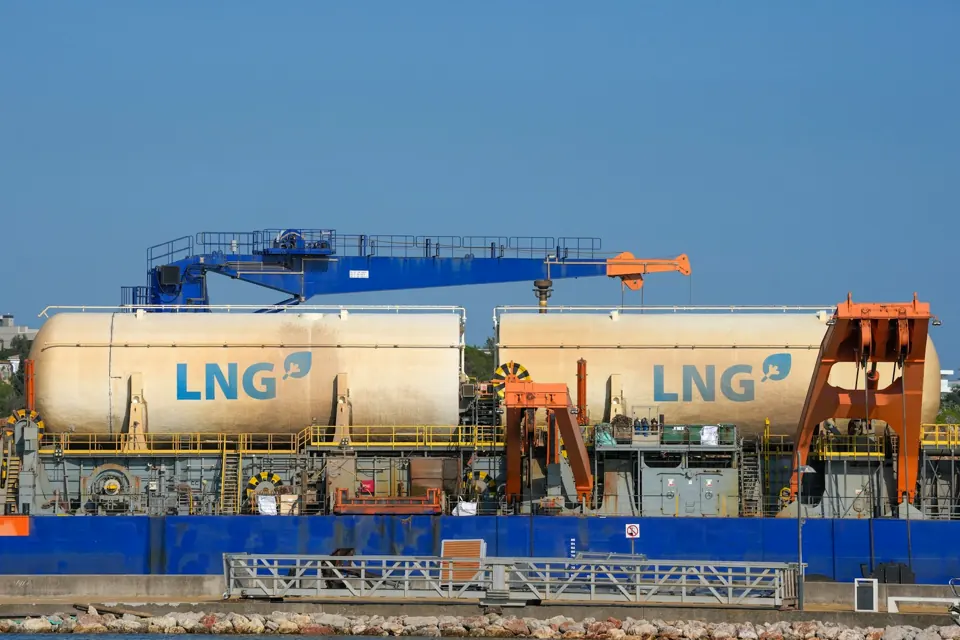
Energy cargo may travel by road, rail, vessel, and barge before reaching its final site. Identify the complete route, transfer points, temporary storage, and the parties responsible for each stage. Determine when title and risk transfer under the commercial agreement, with legal advice where terms are unclear.
Describe whether the cargo is project equipment, replacement machinery, bulk material, or another interest. Values should reflect the agreed insurance basis, not an assumed invoice figure. A shipment may require more than vessel transit protection if the exposure begins at a factory or continues through inland delivery.
Review transit conditions before shipment
Ask for the proposed cargo wording and examine insured voyages, territorial terms, conveyances, packing, storage, and any conditions applying to the shipment. Identify oversize items, deck carriage, transshipment, and specialist handling. Do not assume these features are included simply because a policy is described as marine cargo.
Review how loss is valued and whether freight, duties, or other costs are included. Clarify notification requirements and the procedure for changes to route or shipment schedule. The insurance review should be completed before dispatch so that required information and conditions can be addressed while alternatives remain available.
Distinguish cargo damage from project delay
Replacement of a damaged turbine, transformer, or module may take much longer than the original voyage. The project owner’s financial exposure can therefore differ from the physical cargo value. Review delay-related interests separately and do not assume ordinary cargo protection includes lost operating revenue or contractual delay costs.
Document critical-path status, replacement lead time, available alternatives, and the party bearing the delay consequence. Any proposed delay protection requires careful review of triggers, limits, exclusions, and insured interests. A shipping agent’s statement that the cargo is insured does not establish that the project’s broader financial exposure is addressed.
Coordinate contracts, carriers, and claims preparation
Collect purchase terms, transport contracts, packing and handling information, values, and planned routes. Identify freight forwarders, carriers, and survey or inspection arrangements. Ask counsel to assess liability limitations and the broker to explain how direct cargo insurance interacts with contractual recovery from transportation providers.
Establish procedures for inspecting deliveries, preserving evidence, and reporting suspected damage under the actual policy conditions. These practical steps should be coordinated with the project team. Changes to packing, route, vessel arrangement, or storage should be reviewed rather than assumed to fit the original insurance submission.
Where shipments are split into several consignments, identify whether one missing or damaged component prevents the entire system from being installed. That dependency may be commercially important even when each individual cargo value is modest. The project team should communicate the relationship among consignments so the insurance discussion reflects the actual replacement and schedule consequences of damage to a critical item.
Questions for your next review
- When does the insured bear risk of loss?
- Are inland transit and temporary storage addressed?
- Is project delay distinct from the cargo damage interest?
Connect this topic to your program
Bring the operational details above into a coordinated review of your contracts, loss history and actual policy wording. Explore Montridge marine contractor insurance services for the related brokerage service.
Source references
Primary-source background informs the technical discussion. Insurance review questions are educational interpretation; a source link does not establish coverage or certify compliance.
Prepared November 1, 2026. Confirm current requirements and their application to your work before relying on them. Specific insurance outcomes require review of the complete policy and endorsements.