
FOR Hydropower owners, operators and civil maintenance contractors
Identify the water and generation assets
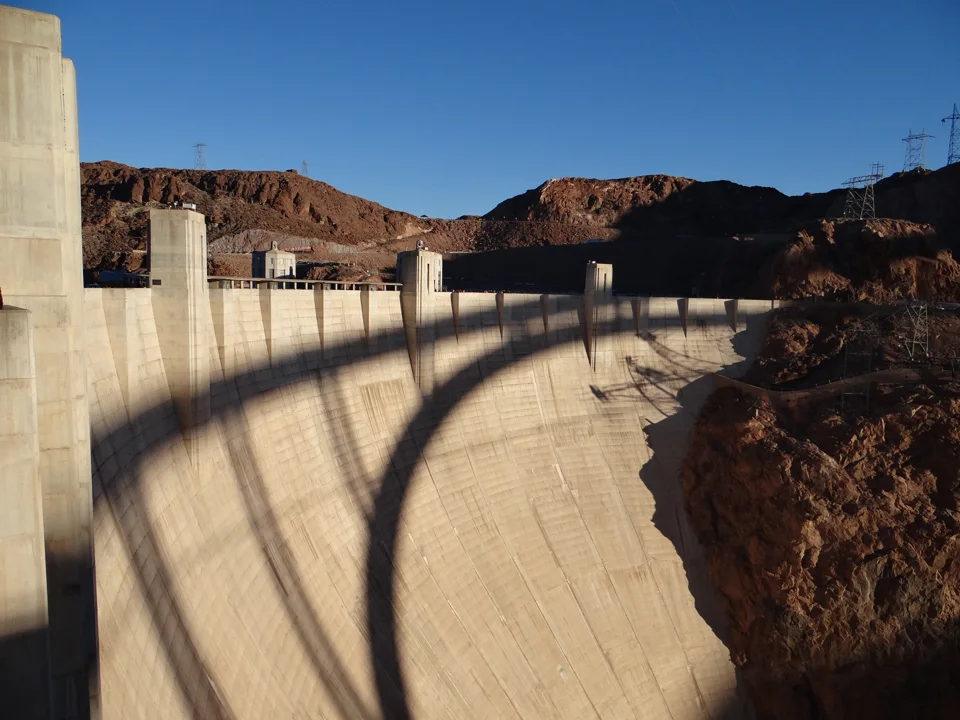
A hydropower schedule should distinguish dams or diversion structures, reservoirs, intake works, penstocks, gates, powerhouses, turbines and export equipment. Pumped-storage projects add a different operating cycle and interdependence between water bodies. EIA describes conventional hydroelectric generation and pumped storage as distinct arrangements. Identify who owns and operates the water-control structures and whether the insured project depends on facilities owned by another entity. A generating station address alone will not show the full concentration of values or the downstream consequences of an equipment or control failure.
Work through a damage scenario
Assess the consequence of a turbine loss, penstock rupture, gate malfunction or damage to access infrastructure separately. Review machinery breakdown, civil structures, water damage and debris removal against the actual policy definitions. Do not infer dam or reservoir coverage from a broad property heading. Large civil repairs may involve specialist contractors, environmental restrictions and limited access that affect the recovery period. The insurance review should use current engineering information and site-specific recommendations; it is not a dam-safety assessment or a substitute for the project’s engineering and regulatory obligations.
Distinguish flow variability and interruption
Low water availability, operating restrictions, market conditions and an insured physical loss may each reduce revenue for different reasons. Identify the required trigger for business interruption and review waiting periods, seasonal production, power agreements and restoration assumptions. A long interruption can coincide with the season when the plant normally earns the most revenue. Review downstream liability and the responsibilities assigned by operating agreements, including maintenance contractors working on gates and controls. Contract obligations or environmental mitigation costs may exist even when the insurance contract does not respond.
Use a turbine repair as a recovery exercise: identify whether access, dewatering, replacement parts and a suitable work season are all required. The engineering plan may reveal that the machine can be repaired quickly but the facility cannot resume normal operation immediately. Compare that sequence with the indemnity period and mitigation provisions. Record which expenses are needed to protect downstream property or comply with directions from an authority, because their treatment may differ from the cost of repairing the insured turbine.
Bring engineering and insurance records together
Provide asset values, inspection reports, maintenance and refurbishment history, emergency action information, permit conditions and contracts governing water rights and operations. Identify dewatering work, diving, confined-space entry, temporary bypass and lifting activities in contractor submissions. Review how existing structures are addressed during refurbishment and whether testing or return to service changes the applicable insurance. A productive consultation should establish the facility boundary, a realistic outage scenario and the allocation of responsibilities among owner, operator, engineer and contractor before deciding which policy revisions need specialist review.
Questions for your next review
- Are civil water-control structures expressly included in the property schedule?
- How does the income model account for seasonal generation?
- Who bears liability when maintenance affects downstream water release?
Connect this topic to your program
Bring the operational details above into a coordinated review of your contracts, loss history and actual policy wording. Explore Montridge renewable energy contractor insurance services for the related brokerage service.
Source references
Primary-source background informs the technical discussion. Insurance review questions are educational interpretation; a source link does not establish coverage or certify compliance.
Prepared November 1, 2026. Confirm current requirements and their application to your work before relying on them. Specific insurance outcomes require review of the complete policy and endorsements.