
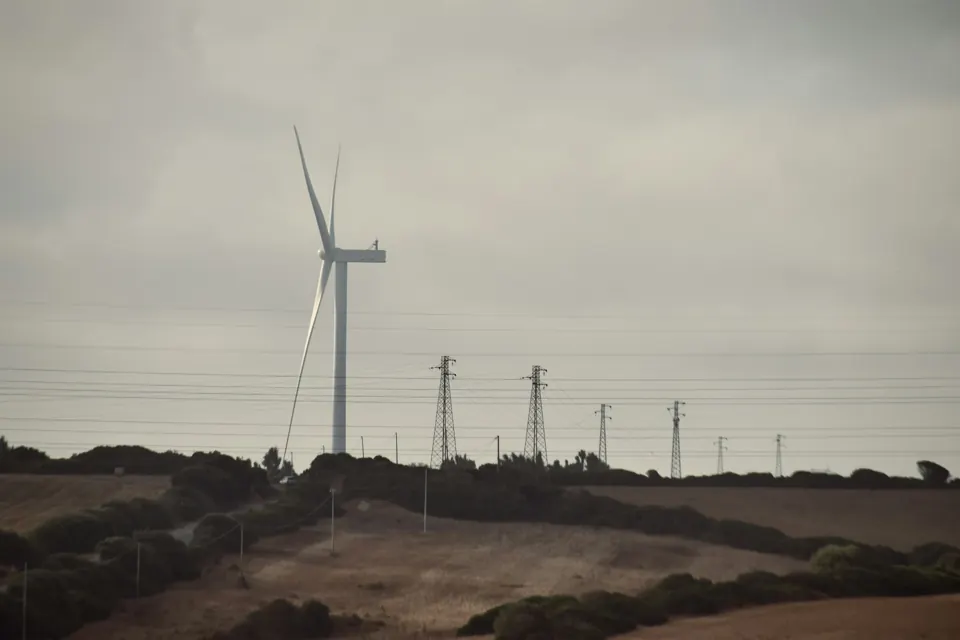
FOR Wind farm owners, operators, developers and turbine service firms
Describe more than the turbine rating
Build a schedule by turbine model, age, location, capacity and major component history. Include collection cables, substations, roads, control systems and spare equipment. The risk changes when a portfolio contains several turbine generations or components with limited support. Identify ownership of foundations and electrical infrastructure as carefully as ownership of nacelles and blades. PNNL describes both preventive and condition-based wind maintenance; records of what the operator actually does are more useful for underwriting than a statement that a service agreement exists.
Follow a component failure through repair
A gearbox, generator or blade loss can involve specialized transport, crane mobilization, seasonal access and a compatible replacement component. Review how property and machinery wording treats the damaged part, associated damage, dismantling, freight, installation and testing. An apparent repair option may be impractical if crane pads or access roads cannot support the required equipment. Record those constraints before setting a restoration period. Mechanical wear, warranty obligations and an insured breakdown are different concepts; ask the insurer to explain the applicable definitions and exclusions using the project equipment.
Review shared exposure and contracts
A single export transformer, collection circuit or control failure can affect multiple turbines. Determine the extent of concentration and whether shared equipment is included in declared values and interruption calculations. Compare the maintenance contract, availability undertaking and warranty remedy with the insurance policy. Contract penalties or an availability shortfall do not automatically satisfy a property damage trigger. Review indemnity, crane responsibility and care of customer property when outside service crews perform major exchanges. Confirm who bears transportation risk for removed and replacement components.
Consider a turbine whose damaged gearbox is available but cannot be installed until a suitable crane reaches the site. The equipment purchase price is only one part of the recovery. Compare crane availability, access preparation, mobilization and recommissioning with the interruption assumptions. Ask whether a shared spare can shorten downtime and whether its value and location are declared. This exercise can reveal why an otherwise adequate property limit leaves the business with an unexpected retained expense or a much longer outage.
Prepare the renewal evidence
A useful renewal file includes component exchanges, inspection trends, lightning and weather losses, corrective action, spare-parts strategy and current replacement values. Include OEM service status, maintenance responsibility and outstanding recommendations. Owners should identify lenders and loss payees and confirm the wording required by financing documents. Contractors should disclose work at height, rope access, lifting and electrical testing rather than using a broad maintenance description. Prioritize a documented failure-and-recovery scenario for the hardest-to-replace component; it can reveal both uninsured cost and an unrealistic recovery assumption.
Questions for your next review
- What is the realistic recovery time for the least available major component?
- Who controls crane operations and carries responsibility for exchanged components?
- Does the interruption model recognize shared collection and export assets?
Related Montridge webinars
Renewables and battery storage
Renewable Energy Risk Management: The 10 Biggest Risks Facing Solar & Wind Projects
Clicking Load video connects to YouTube. No player loads automatically.
Watch on YouTube ↗
Renewables and battery storage
7 Costly Solar & Wind Project Claims Every Renewable Energy Developer Should Know
Clicking Load video connects to YouTube. No player loads automatically.
Watch on YouTube ↗Connect this topic to your program
Bring the operational details above into a coordinated review of your contracts, loss history and actual policy wording. Explore Montridge renewable energy contractor insurance services for the related brokerage service.
Source references
Primary-source background informs the technical discussion. Insurance review questions are educational interpretation; a source link does not establish coverage or certify compliance.
Prepared November 1, 2026. Confirm current requirements and their application to your work before relying on them. Specific insurance outcomes require review of the complete policy and endorsements.