
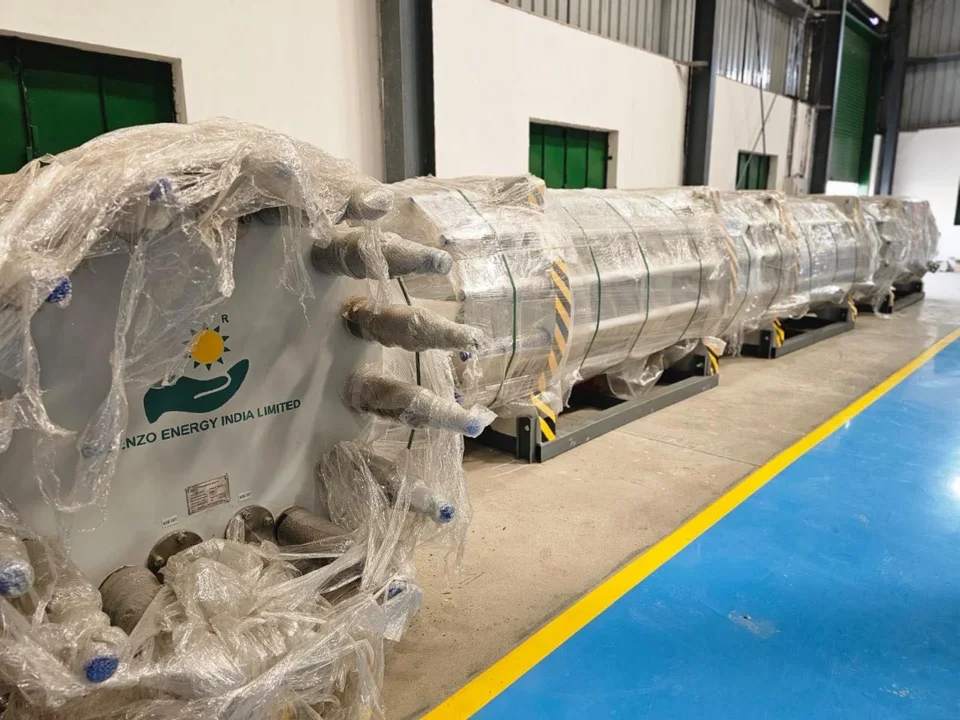
FOR Hydrogen developers, EPC contractors, equipment integrators and commissioning teams
The installation boundary extends beyond the stack
An electrolyzer converts water into hydrogen and oxygen using electrical energy. For insurance purposes, the purchased stack is only part of the project. Identify the rectifier, water treatment, cooling, ventilation, gas separation, controls and connections to compression or storage. Record which party designs each interface and which party accepts responsibility for the integrated system.
An equipment supplier may warrant its package while an EPC contractor coordinates the plant. A separate specialist may program shutdown logic or conduct start-up testing. Those distinctions matter when a damaged connection or incompatible control setting affects equipment supplied by someone else. The submission should show responsibilities rather than treating every participant as an interchangeable installer.
Delivery, lifting and first energization create different questions
Track ownership and risk of loss from the factory through ocean or inland transit, temporary storage, offloading and positioning. Review cargo or installation coverage for handling, storage durations and the actual lifting plan. Confirm how damage discovered only during testing will be investigated and which party must preserve evidence.
First energization and introduction of process gas may change the applicable policy conditions. Ask the builders risk or erection insurer to address testing, commissioning and phased acceptance expressly. A contract milestone called mechanical completion does not necessarily align with an insurance definition of operational use. Do not assume replacement parts, expedited freight or delay costs follow automatically from physical damage coverage.
Separate accidental damage from output promises
Consider an illustrative commissioning loss: a faulty control connection damages a power component, requiring imported replacement equipment and delaying hydrogen delivery. The review should separate the defective part, resulting damage to other property, investigation costs and lost project revenue. Different exclusions, sublimits and waiting periods may apply to each.
Output, efficiency and availability guarantees are commercial promises. A performance shortfall without insured physical damage should not be treated as covered delay in startup. Professional liability may require evaluation where an integrator provides design or programming services, but contractual guarantees and the cost of correcting deficient work need separate attention. Supplier warranties also have remedies, caps and exclusions of their own.
Make acceptance evidence usable after a loss
Provide process diagrams, equipment values, transport plans, testing protocols and a commissioning schedule identifying when power, water and gas are introduced. Explain the experience of the integrator with the selected technology and the availability of critical spares. Include the hydrogen safety review, emergency arrangements and records of interface testing without presenting an insurance submission as an engineering approval.
Before handover, document outstanding defects, temporary operating restrictions and responsibility for troubleshooting. Preserve acceptance records and baseline operating data so a later failure can be distinguished from an installation defect or normal degradation. Coordinate the end of construction cover with the start of operational property, equipment breakdown and liability arrangements; overlapping dates alone do not prove overlapping protection.
Operational exposures & coverage review
These review points are educational interpretation, not promises of insurance coverage.
| Exposure | Insurance review |
|---|---|
| Testing damage | Confirm policy treatment of commissioning and resulting damage. |
| Delayed acceptance | Separate insured damage delay from performance guarantees. |
| Interface errors | Identify design, control programming and integration responsibility. |
Questions for your next review
- Who owns the risk during offloading and first energization?
- What testing conditions or exclusions apply before acceptance?
- Are output guarantees separated from insured delay exposures?
Related Montridge webinars
EPC program checklist relevant to installation handoffs; no hydrogen coverage guarantee.
EPC, contracts and commercial coverage
EPC Insurance Checklist: Essential Coverage Every Project Needs
Clicking Load video connects to YouTube. No player loads automatically.
Watch on YouTube ↗Connect this topic to your program
Bring the operational details above into a coordinated review of your contracts, loss history and actual policy wording. Explore Montridge EPC insurance services for the related brokerage service.
Related specialty resource: Montridge Construction Insurance Resource Center. Related construction delivery, contractor and contractual risk resources.
Source references
Primary-source background informs the technical discussion. Insurance review questions are educational interpretation; a source link does not establish coverage or certify compliance.
Electrolyzers separate water into hydrogen and oxygen; equipment designs differ.
Scope: U.S. DOE technical background · Source reviewed 2026-11-01
Hydrogen sensors, handling and engineering safeguards are relevant to system safety.
Scope: U.S. DOE technical background · Source reviewed 2026-11-01
Prepared November 1, 2026. Confirm current requirements and their application to your work before relying on them. Specific insurance outcomes require review of the complete policy and endorsements.