
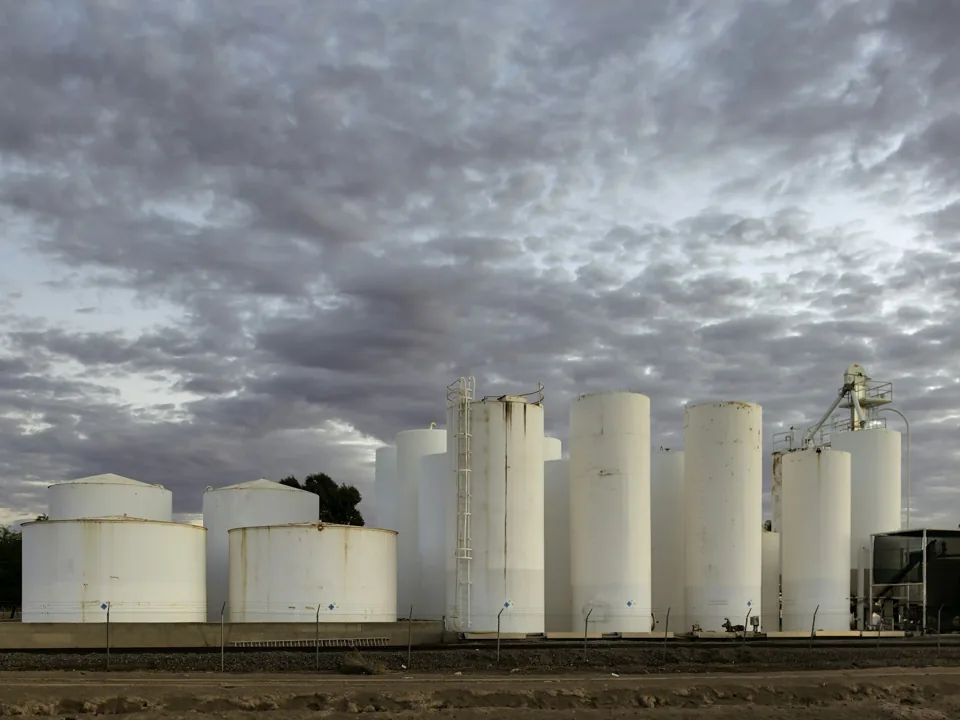
FOR LPG distributors, propane suppliers, and storage operators
Describe the full distribution business
An LPG or propane operation may combine bulk storage, delivery, cylinder exchange, installation, inspection, and customer service work. Describe each activity separately, including whether the business owns or leases tanks located on customer property. A distribution description alone may not reveal installation or maintenance responsibilities.
Identify operating territory, customer types, products, seasonal peaks, and subcontracted delivery arrangements. The insurance review should follow the full business process from receipt through storage and delivery to any continuing service obligation. Material changes in customer mix or services should be disclosed before the business relies on existing policy descriptions.
Follow product through storage and transfer
Bulk storage, loading, vehicle transport, unloading, and work at the customer location present different interfaces. Review property, automobile, liability, and pollution terms against the actual custody and work arrangements. Do not assume that an automobile policy answers every release or loading-related claim.
Document who connects equipment, checks the receiving system, and performs service work. Identify customer-owned property, leased tanks, and equipment temporarily in the company’s possession. Ask how damage to property being serviced, completed work, and contractual obligations are addressed. Specific wording matters more than a general statement that the company carries liability insurance.
Review fleet and offsite assets together
Prepare vehicle schedules, tank and equipment inventories, driver information, and loss history. Explain loading locations, routes, delivery frequency, and whether vehicles are parked loaded. Identify maximum values at a single location and equipment installed at customers’ premises.
Review physical damage, property in transit, hired or nonowned vehicles, and the allocation of responsibility when deliveries are subcontracted. OSHA’s oil and gas standards index includes LPG storage and handling references, but the business must determine applicable safety and transportation requirements with qualified advisers. Insurance review does not replace that compliance work.
Check service commitments and reporting practices
Collect customer agreements, equipment leases, delivery contracts, and installation or service terms. Ask counsel to evaluate assumed obligations and the broker to compare them with the actual insurance program. Particular attention should be given to promises involving inspection, system condition, or continuing maintenance.
Establish a documented process for reporting incidents and material changes to operations. Keep records that explain what work was performed and who authorized it. The goal is to identify coverage questions before a delivery or service dispute, while recognizing that claim outcomes depend on facts, contracts, and policy wording.
Review documentation of customer equipment ownership and service history before relying on a standard delivery agreement. A longstanding practice of inspecting, maintaining, or advising on a customer system may create questions beyond the written delivery terms. Accurately describing that practice helps the broker evaluate the exposure and helps counsel assess whether the agreement reflects the services actually being performed.
Questions for your next review
- Does the business install or service customer systems?
- Who owns tanks at customer locations?
- How are loading, unloading, and subcontracted delivery addressed?
Related Montridge webinars
Energy logistics and fleets
Propane Delivery Truck Insurance: Coverage for LPG & Fuel Delivery Fleets
Clicking Load video connects to YouTube. No player loads automatically.
Watch on YouTube ↗Connect this topic to your program
Bring the operational details above into a coordinated review of your contracts, loss history and actual policy wording. Explore Montridge energy logistics insurance services for the related brokerage service.
Source references
Primary-source background informs the technical discussion. Insurance review questions are educational interpretation; a source link does not establish coverage or certify compliance.
Prepared November 1, 2026. Confirm current requirements and their application to your work before relying on them. Specific insurance outcomes require review of the complete policy and endorsements.