
FOR LNG project developers, terminal owners and liquefaction operators
Map the export terminal’s connected assets
An LNG export facility combines feed-gas receipt, treatment, liquefaction, storage and loading functions. The property schedule should identify each train and the infrastructure shared between them, including utilities and the marine interface. DOE’s LNG material distinguishes conversion for export from the receiving-terminal process; those different functions deserve different loss scenarios.
Identify separate owners and operators where the terminal uses tolling or other contractual arrangements. The party owning the equipment may not own the gas or hold the same revenue interest as the customer using the terminal. Insurance values, business interruption declarations and contractual responsibilities should follow those actual interests rather than a single project-value figure.
Test a train outage against shared dependencies
A machinery failure may affect one train, while damage to a shared utility, storage or loading asset could restrict the entire terminal. Model the practical recovery sequence, availability of specialist components and ability to operate partially. Do not assume that nominal multi-train capacity eliminates a common-point interruption.
Review property and equipment breakdown terms for testing, defects, machinery damage and resulting loss. Separate repair expense, extra expense, lost earnings and contractual payments owed to customers. Business interruption and delay provisions have their own triggers and periods; they should not be presented as reimbursement for commodity-price changes, ordinary underperformance or every failure to meet a delivery commitment.
Coordinate commissioning and marine transfer
Export projects may enter service in stages while construction continues elsewhere. Define the transition between builders risk, testing, commissioning and operational insurance for each asset. Review when gas is introduced, who accepts the work and which contractors remain responsible after handover. A single ceremonial completion date may not describe the actual exposure change.
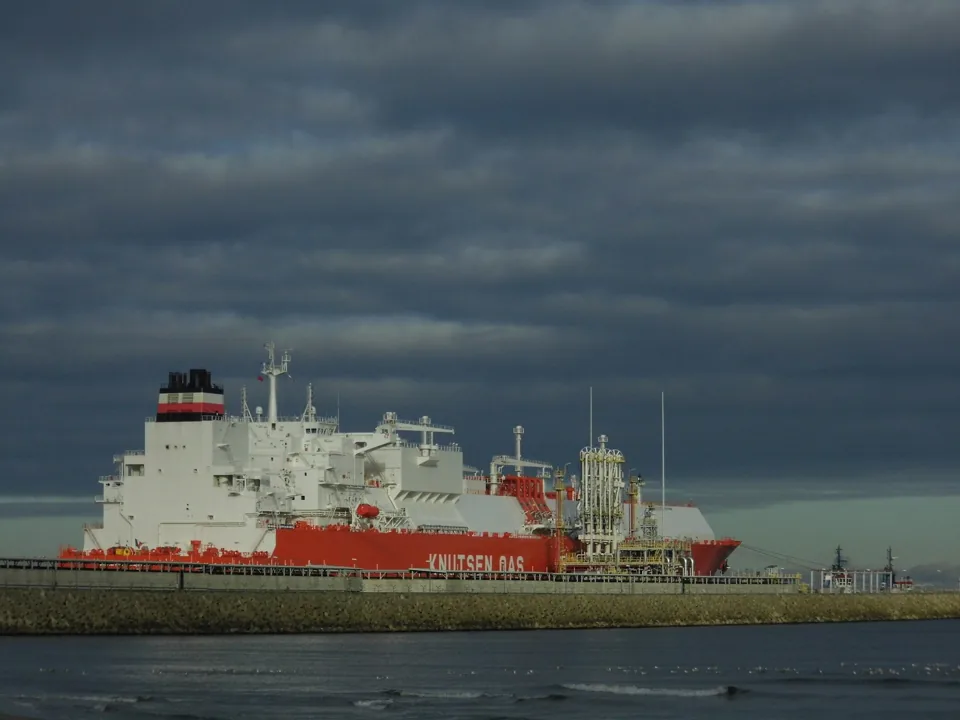
At the berth, identify custody and responsibility for product, loading equipment, vessel contact and interruption. Terminal liability, marine coverage and property arrangements may protect different interests. Review pollution and emergency-response obligations separately. U.S. facility oversight involves project-specific regulatory responsibilities; an authorization or inspection does not establish that the insurance program addresses every operating or contractual exposure.
Use a dependency-based submission
Provide process and ownership summaries, values, contract structures, construction milestones and loss history. Include technical assessments of critical machinery, spare strategies, maintenance and the longest realistic recovery paths. Explain feed-gas, power and shipping dependencies without assuming that all off-site interruptions are covered.
Review customer agreements for performance guarantees, liquidated damages and limitations of liability with appropriate advisers. Following an incident, retain operational records and distinguish physical loss from commercial consequences that may have different causes. The insurance review should make the division of insured interests and retained obligations explicit before the next train, loading facility or contract is added to the program.
Operational exposures & coverage review
These review points are educational interpretation, not promises of insurance coverage.
| Exposure | Insurance review |
|---|---|
| Shared infrastructure | Model a single failure affecting multiple trains. |
| Phased handover | Coordinate construction, testing and operational dates. |
| Export contract | Separate insured earnings from performance obligations. |
Questions for your next review
- Who owns the gas and the insured revenue interest?
- Which shared asset can stop all trains?
- When does each asset leave construction coverage?
Related Montridge webinars
General delay-in-startup principles for major infrastructure projects; not LNG-specific terms.

EPC, contracts and commercial coverage
Delay in Startup (DSU) Insurance Explained | Builder's Risk, Infrastructure & Project Management
Clicking Load video connects to YouTube. No player loads automatically.
Watch on YouTube ↗Connect this topic to your program
Bring the operational details above into a coordinated review of your contracts, loss history and actual policy wording. Explore Montridge energy services insurance services for the related brokerage service.
Source references
Primary-source background informs the technical discussion. Insurance review questions are educational interpretation; a source link does not establish coverage or certify compliance.
DOE distinguishes liquefaction, marine transport, storage and regasification in the LNG chain.
Scope: United States and international LNG value chain · Source reviewed 2026-11-01
DOE LNG value-chain fact sheet distinguishes export conversion and receiving-terminal functions.
Scope: Technical background; 2020 DOE publication · Source reviewed 2026-11-01
PHMSA describes facility and construction inspection subjects, including welding, testing and LNG operations.
Scope: United States; applicable federal/state pipeline and LNG jurisdiction · Source reviewed 2026-11-01
Prepared November 1, 2026. Confirm current requirements and their application to your work before relying on them. Specific insurance outcomes require review of the complete policy and endorsements.