FOR Wind asset owners, turbine service firms and heavy-lift contractors
Treat a component exchange as a defined project
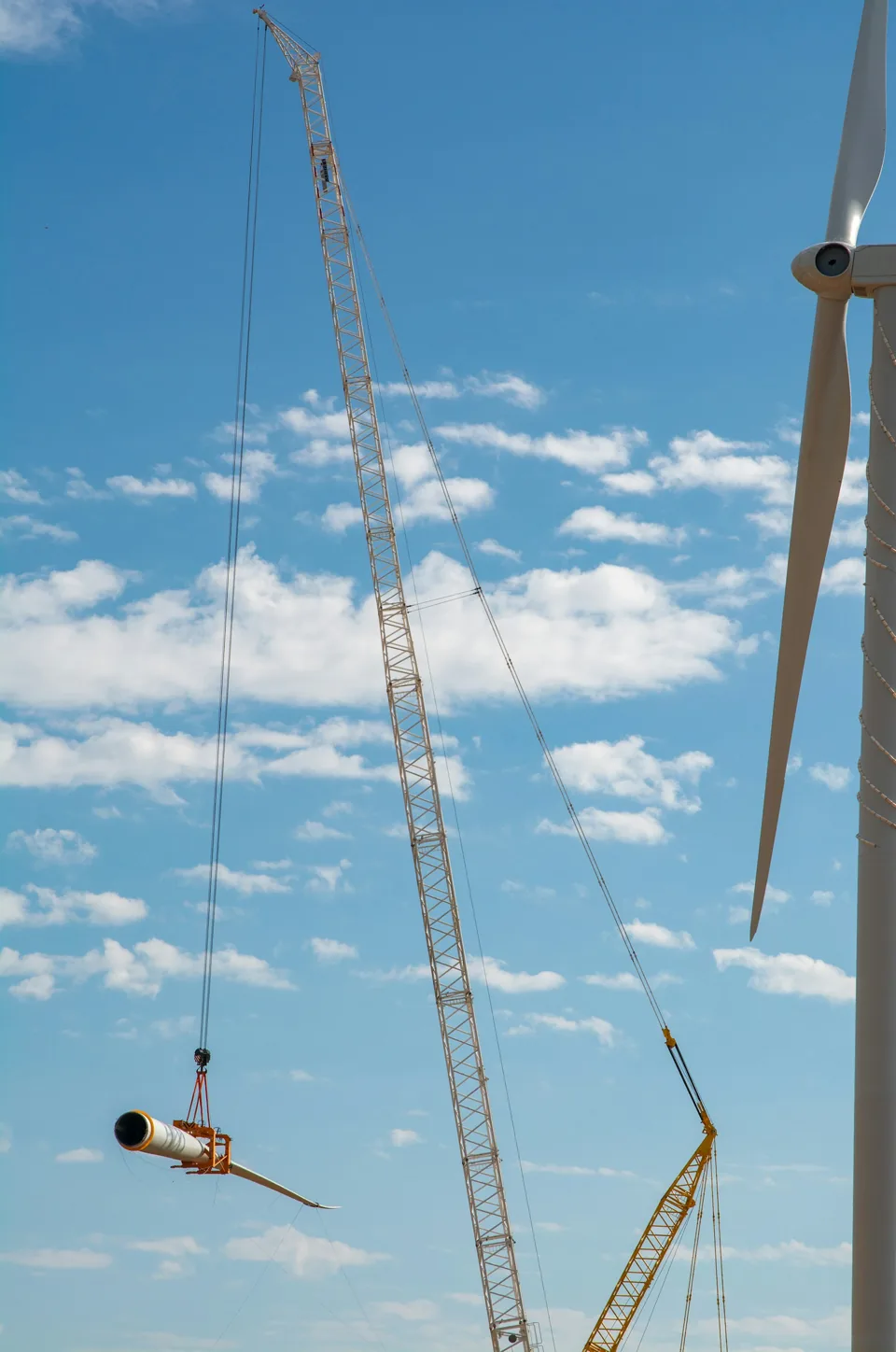
Replacing a gearbox, generator, blade or nacelle can create a temporary project within an operating wind facility. Identify the work package, replacement value, lifting sequence and responsibility for old and new components. The owner’s operating policy, the service contractor’s program and any installation coverage may each address only part of the activity.
Explain whether the replacement is like-for-like, an upgrade or a response to a known defect. A planned improvement and accidental damage are different insurance questions. Record the point when the replacement leaves the supplier, enters site storage, is lifted into position and returns to operational service; those transitions should not depend on an informal assumption.
Review the lift and surrounding property
A dropped component can damage the turbine, crane, nearby equipment and third-party property. Review riggers liability, installation property, crane physical damage and contractual allocation without assuming one contractor policy protects every interest. Check the treatment of property being lifted, property in care and the contractor’s own work under the actual forms.
The lift plan and ground conditions belong to qualified engineers and lifting specialists. The insurance team needs the resulting scope, equipment values, subcontractor structure and any required survey or notification. If the owner supplies the component or crane access area, clarify how those responsibilities affect indemnity and claims coordination before mobilization.
Separate warranty remedies from interruption protection
A warranty may pay for a replacement part but exclude mobilization, lifting or revenue loss. Review the service agreement’s remedy, liability cap and responsibility for consequential costs alongside property and business-interruption insurance. Known defects, wear or serial issues may be treated differently from sudden accidental damage, and the policy language needs individual review.
Model the full restoration sequence: procurement, transport, suitable weather, crane availability, installation, testing and reconnection. An available component does not guarantee an immediate repair. For offshore work, vessel availability and access conditions can be central. Identify which delays follow insured damage and which arise from maintenance, upgrade decisions or unrelated commercial constraints.
Document condition before and after the exchange
Provide component serial numbers, inspection findings, failure analysis, maintenance history and the replacement schedule. Preserve damaged parts and relevant operating data subject to insurer and technical guidance; returning a failed item under a supplier’s exchange process can affect evidence. Clarify ownership and disposal responsibility for removed components.
Before the turbine returns to service, reconcile acceptance documents, testing results and any remaining defects with the coverage transition. A project completion certificate should not conceal unfinished work or unresolved allegations. Keeping one coordinated file allows the owner, maintenance provider and lifting contractor to evaluate their separate obligations while preserving a clear account of the actual replacement activity. Retain the final component acceptance record.
Operational exposures & coverage review
These review points are educational interpretation, not promises of insurance coverage.
| Exposure | Insurance review |
|---|---|
| Heavy lift | Coordinate riggers liability and the owner’s property interest. |
| Warranty gap | Separate component reimbursement from mobilization and delay. |
| Return to service | Record testing, acceptance and outstanding defects. |
Questions for your next review
- Who insures the component during every handoff and lift?
- Which costs are excluded from the supplier’s warranty remedy?
- Does the restoration estimate include crane or vessel availability?
Related Montridge webinars
Renewable contractor insurance requirements during replacement projects.

Renewables and battery storage
Renewable Energy Contractor Insurance Requirements | What Solar & Wind Contractors Need to Know
Clicking Load video connects to YouTube. No player loads automatically.
Watch on YouTube ↗Connect this topic to your program
Bring the operational details above into a coordinated review of your contracts, loss history and actual policy wording. Explore Montridge renewable energy contractor insurance services for the related brokerage service.
Source references
Primary-source background informs the technical discussion. Insurance review questions are educational interpretation; a source link does not establish coverage or certify compliance.
Offshore maintenance involves component reliability, access, vessels and cable repair constraints.
Scope: United States; technical background and applicable federal framework · Source reviewed 2026-11-01
Visual blade inspection and subsurface inspection address different types of damage.
Scope: United States; technical background and applicable federal framework · Source reviewed 2026-11-01
Prepared November 1, 2026. Confirm current requirements and their application to your work before relying on them. Specific insurance outcomes require review of the complete policy and endorsements.