
FOR Production operators, artificial-lift suppliers and installation contractors
Describe the full lifting system
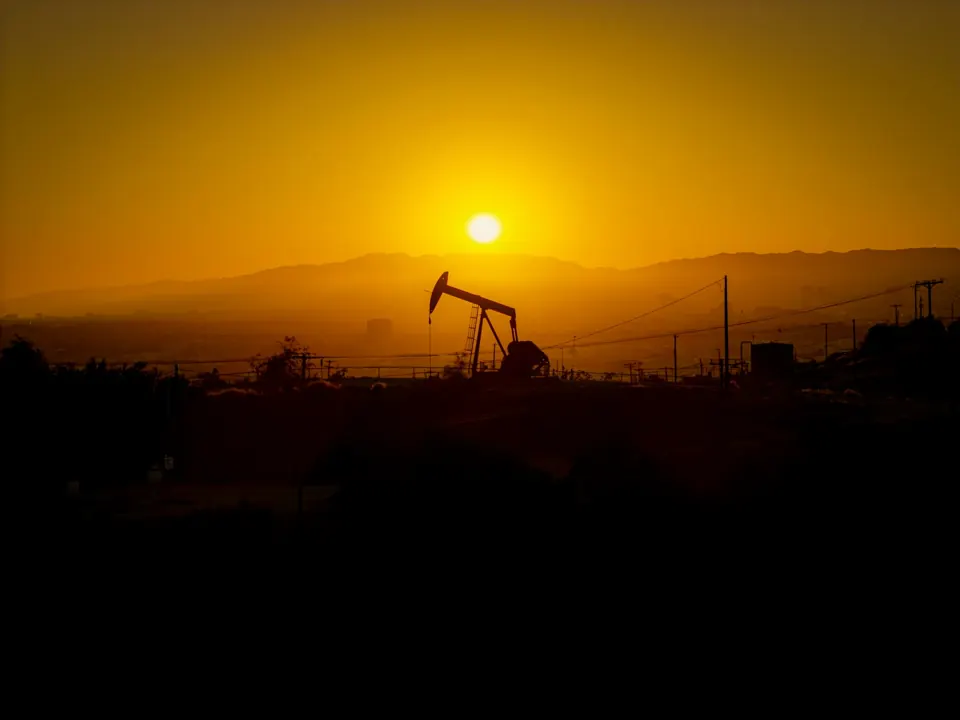
Artificial lift can involve surface machinery, downhole components, power supplies and control equipment supplied by different firms. The submission should identify the actual technology and distinguish ownership from installation and maintenance responsibilities. A beam-pumping unit, for example, introduces substantial moving equipment at the surface; other lift arrangements produce different operational profiles.
List the well operator, equipment supplier, installer and ongoing service provider. State whether the contractor recommends the system, performs engineering or simply installs equipment to a supplied specification. OSHA’s completion material discusses beam-pumping equipment and assembly hazards, but the insurance analysis must be based on the particular lift system rather than assuming every installation has the same exposures.
Separate equipment failure from service liability
A failed motor, damaged rod string or installation error can create replacement costs, retrieval expenses and production downtime. Review property, equipment breakdown and downhole equipment terms from the owner’s perspective. From the contractor’s perspective, examine damage to the work, customer property in its care and professional-service allegations.
Manufacturer warranties and service contracts may address selected defects while excluding labor, removal, transport or consequential loss. Compare these provisions with insurance rather than treating them as interchangeable protection. A maintenance obligation to restore the system is not automatically a covered liability claim. Discuss wear, corrosion, gradual deterioration and the evidence needed to distinguish those conditions from an insured event.
Consider the production and remote-site consequences
A lift failure may affect only one well or interrupt a group of wells through a shared power or control dependency. Quantify the realistic repair sequence, availability of spares and access to specialized crews. A low-value component can still create a lengthy interruption when the replacement is unavailable or the site cannot be reached.
Business interruption analysis should identify the required damage trigger and the insured interest in the lost production. A contractor’s liability program should not be assumed to reimburse the operator’s lost revenue. Review fire, electrical and pollution consequences separately where a malfunction affects adjacent equipment or releases fluids. Remote-site theft and vandalism also warrant a location-specific equipment review.
Make maintenance and responsibility traceable
Provide system schedules, values, service agreements, maintenance records and installation acceptance documents. Explain who monitors performance, responds to alarms and approves changes in operating settings. Include the handling of rented components and equipment removed from the well for repair or storage.
After a failure, preserve operating trends, damaged components and relevant service records so the parties can distinguish product defect, installation error and operating conditions. Confirm notice procedures before making admissions or accepting replacement obligations beyond the contract. When a new lift technology is introduced, review it before deployment rather than assuming the existing production classification or a supplier’s certificate resolves all insurance questions.
Operational exposures & coverage review
These review points are educational interpretation, not promises of insurance coverage.
| Exposure | Insurance review |
|---|---|
| System boundary | Schedule surface, downhole, electrical and control components. |
| Downtime | Model spares, retrieval and specialist crew delays. |
| Service promises | Compare warranty remedies with insurance triggers. |
Questions for your next review
- Who owns the downhole and surface components?
- What excludes wear or gradual deterioration?
- Who monitors alarms and authorizes operating changes?
Related Montridge webinars
Equipment insurance questions relevant to lift equipment installation and servicing.
Energy operations
Heavy Equipment Insurance for Energy Contractors: What You Should Know
Clicking Load video connects to YouTube. No player loads automatically.
Watch on YouTube ↗Connect this topic to your program
Bring the operational details above into a coordinated review of your contracts, loss history and actual policy wording. Explore Montridge energy services insurance services for the related brokerage service.
Source references
Primary-source background informs the technical discussion. Insurance review questions are educational interpretation; a source link does not establish coverage or certify compliance.
OSHA describes completion operations, hydraulic fracturing stages and beam-pumping equipment.
Scope: United States; land-based well completion · Source reviewed 2026-11-01
OSHA identifies distinct well-service activities and associated pressure, equipment and personnel hazards.
Scope: United States; land-based oil and gas work · Source reviewed 2026-11-01
Prepared November 1, 2026. Confirm current requirements and their application to your work before relying on them. Specific insurance outcomes require review of the complete policy and endorsements.