FOR RNG developers, digester operators, upgrading contractors and gas offtakers
Separate the digester from the upgrading operation
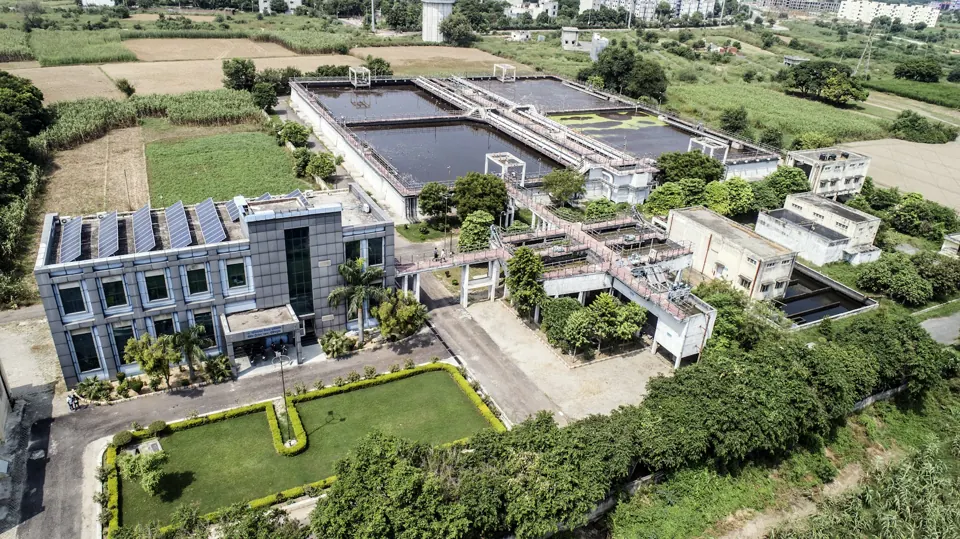
A renewable natural gas project may combine a landfill or anaerobic digester, gas collection, treatment, compression and a pipeline interconnection. Raw biogas and upgraded gas are not interchangeable operating descriptions. DOE explains that upgrading removes constituents such as water, carbon dioxide and hydrogen sulfide to meet the required gas quality.
Identify the owner and operator of each stage. A farm, waste company, project developer and utility may have separate interests in the same site. Explain who owns incoming material, equipment and gas at each custody-transfer point. Insurance arranged for a waste operation should not be presumed to address a newly added gas-processing plant, and a processing policy may not address the host's broader waste liabilities.
Trace contamination and gas-quality failures
An illustrative event might begin with treatment equipment failure, producing gas that does not satisfy the receiving system's requirements. Review the consequences separately: damage to the upgrading equipment, rejected product, interruption of sales and alleged damage to a third party's system. A contractual quality penalty alone may not meet the trigger for property or liability coverage.
Provide sampling, monitoring and automatic isolation procedures, along with responsibility for calibration and maintenance. Evaluate product liability, professional services and pollution exposures according to the work performed. A contractor that selects or programs treatment equipment may face different allegations from the owner supplying off-specification gas. Review exclusions for the insured's own product and the cost of correcting deficient work.
Consider waste, water and site exposures together
Gas production can share a site with organic waste storage, wastewater treatment and residual-material handling. Describe potential odor, runoff, spills and releases without assuming one environmental policy addresses every activity. Identify historical site conditions and distinguish new operating releases from pre-existing contamination.
Review site pollution, contractors pollution and transportation arrangements as separate components of the program. Map the entities responsible for residuals and off-site disposal. A receiving facility's acceptance receipt does not establish that all subsequent liabilities have transferred. Workers' compensation and liability submissions should also describe confined-space work, vehicle movements and maintenance responsibilities, while qualified safety personnel determine the actual controls required for the operation.
Evaluate revenue and restart assumptions
A prolonged outage may involve repairs, biological process recovery, gas-quality testing and reacceptance by the pipeline operator. Include those steps in realistic restoration planning. Property and equipment breakdown review should identify specialized compressors, membranes or other treatment units and their replacement lead times.
Separate gas sales from environmental attributes, incentives and contractual credits in the financial model. Their loss or reduction is not automatically covered business interruption. Provide feedstock agreements, gas purchase terms, interconnection requirements and backup disposal arrangements. Renewal discussions should address added waste streams, changed throughput and new counterparties, because those changes can alter both environmental exposure and the practical cost of an interruption.
Operational exposures & coverage review
These review points are educational interpretation, not promises of insurance coverage.
| Exposure | Insurance review |
|---|---|
| Off-specification gas | Review product, equipment and contractual consequences separately. |
| Shared waste site | Identify historical conditions and responsibility for residuals. |
| Restart delay | Account for treatment validation and pipeline reacceptance. |
Questions for your next review
- Who owns the gas before and after upgrading?
- What happens financially when the pipeline rejects a batch?
- Are waste-handling and residual-disposal activities fully disclosed?
Related Montridge webinars
Renewable-project risk-management checklist for project delivery.
Renewables and battery storage
Renewable Energy Project Insurance Checklist: 10 Critical Risk Management Steps
Clicking Load video connects to YouTube. No player loads automatically.
Watch on YouTube ↗Connect this topic to your program
Bring the operational details above into a coordinated review of your contracts, loss history and actual policy wording. Explore Montridge renewable energy contractor insurance services for the related brokerage service.
Source references
Primary-source background informs the technical discussion. Insurance review questions are educational interpretation; a source link does not establish coverage or certify compliance.
Upgrading biogas removes water, carbon dioxide, hydrogen sulfide and other constituents for higher-purity gas.
Scope: U.S. DOE technical background · Source reviewed 2026-11-01
Raw biogas and treated RNG have different uses and treatment needs.
Scope: U.S. EIA technical background · Source reviewed 2026-11-01
Prepared November 1, 2026. Confirm current requirements and their application to your work before relying on them. Specific insurance outcomes require review of the complete policy and endorsements.