
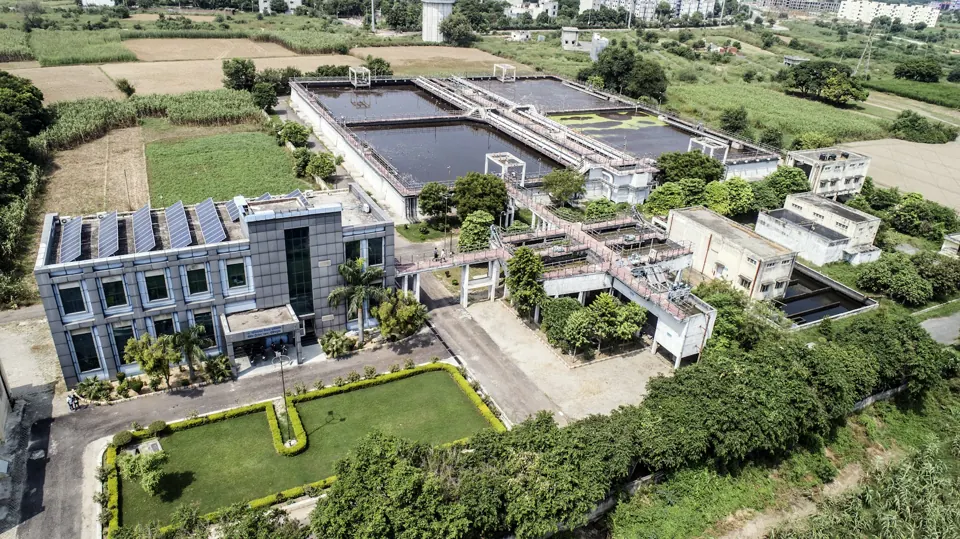
FOR Energy property owners, operators, and acquisition teams
Separate historical conditions from operating risk
An energy site may carry a long operating history involving tanks, pipelines, impoundments, transformers, or waste handling. Review available environmental assessments, prior releases, cleanup activity, and changes in ownership. New operational releases and pre-existing conditions should be discussed distinctly.
Map the property boundary, groundwater and surface-water pathways, neighboring uses, and off-site disposal relationships. A site schedule should identify the actual insured premises and relevant activities. Do not assume that every asset associated with a business is included simply because the parent company appears as a named insured.
Read the site and condition provisions
Review the definitions of pollution condition, cleanup costs, insured location, and claim. Examine exclusions or limitations for known conditions, scheduled contaminants, changes in use, underground tanks, and contractual liability. The available protection depends on the form and underwriting of the specific site.
Consider whether the intended arrangement addresses on-site cleanup, off-site migration, third-party injury, and interruption-related expenses. These components may have different terms or limits. A remediation requirement imposed by an authority does not automatically establish an insured claim under every environmental policy.
Treat financial responsibility as a separate test
For regulated petroleum underground storage tanks, EPA describes financial responsibility mechanisms that can include insurance and other approved arrangements. Meeting a regulatory financial responsibility requirement requires review of the applicable federal and state rules, not merely buying a policy labeled pollution liability.
Ask whether the proposed wording, insured parties, tanks, limits, and retention structure satisfy the specific requirement. EPA guidance identifies circumstances where a self-insured retention may require an additional mechanism. Keep compliance documentation distinct from the broader business decision about environmental risk transfer and contractual protection.
Plan for transactions and future change
Acquisitions, leases, redevelopment, shutdown, and decommissioning can change the exposure and the facts presented to an insurer. Coordinate environmental due diligence, contract allocation, and insurance review early enough to address findings before closing or mobilization.
Maintain site reports and a record of disclosed conditions. Confirm the process for reporting discoveries, claims, and changes in operations. Review policy term, reporting provisions, and continuity when ownership changes. The goal is a documented understanding of which conditions are addressed, which remain retained, and what evidence must be preserved to support a future response.
Where several businesses have occupied the site, build a chronology rather than assuming the current operator caused every condition. Environmental reports can contain qualifications and data gaps that matter to underwriting. Have qualified environmental professionals interpret those findings, and ensure the insurance submission does not turn a limited investigation into an unsupported statement that the property is clean.
Questions for your next review
- Which locations and environmental conditions are specifically addressed?
- Does the arrangement meet any applicable financial responsibility requirement?
- How will a sale, closure, or change in use affect the policy?
Related Montridge webinars
Pollution and environmental risk
What Pollution Liability Insurance Actually Covers (And What It Doesn’t)
Clicking Load video connects to YouTube. No player loads automatically.
Watch on YouTube ↗Connect this topic to your program
Bring the operational details above into a coordinated review of your contracts, loss history and actual policy wording. Explore Montridge pollution liability insurance services for the related brokerage service.
Source references
Primary-source background informs the technical discussion. Insurance review questions are educational interpretation; a source link does not establish coverage or certify compliance.
Prepared November 1, 2026. Confirm current requirements and their application to your work before relying on them. Specific insurance outcomes require review of the complete policy and endorsements.