FOR Energy EPC firms, environmental contractors, and industrial service companies
Trace how the work can create a release
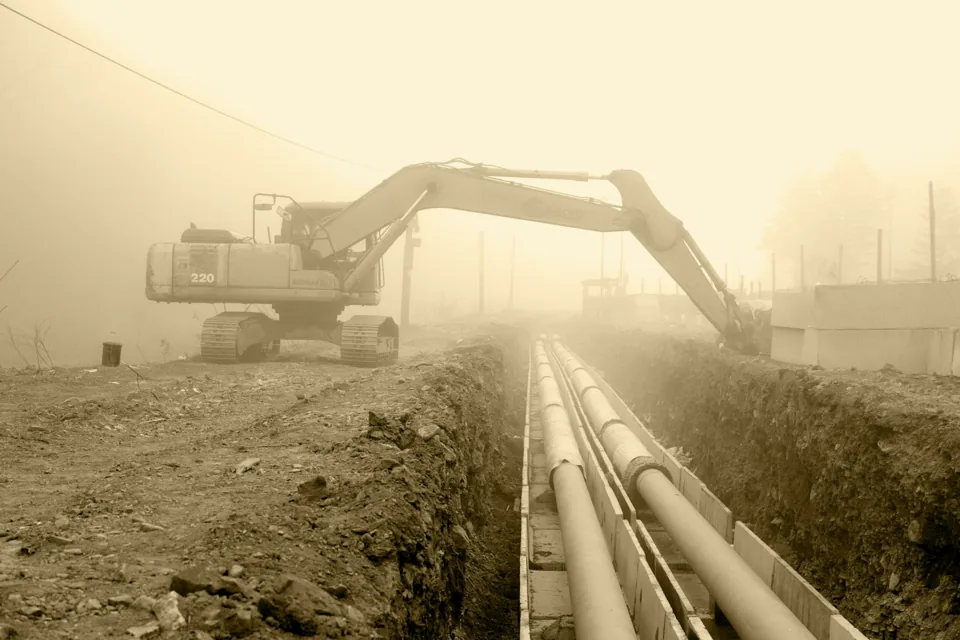
A pollution review should follow the work sequence. Excavation may encounter contaminated soil; tank maintenance may disturb residues; welding or cleaning may release substances; transport and disposal can extend exposure beyond the jobsite. Describe the materials, quantities, work methods, and surrounding receptors.
Identify whether the contractor handles existing contamination, introduces new pollutants, or does both. Distinguish operations at customer sites from pollution at owned premises. A contractors pollution placement and a site pollution placement can address different exposures, and neither name establishes the response to every environmental allegation.
Examine insured operations and pollution conditions
Review the definition of covered operations and pollution condition, the coverage trigger, and the treatment of cleanup costs, third-party injury, and property damage. Ask about emergency response, gradual releases, completed operations, and subcontracted work under the specific form.
Investigate limitations affecting known conditions, waste disposal sites, transportation, mold or other designated substances, and professional services. Where claims-made wording applies, examine retroactive dates and reporting terms. Avoid assuming that a sudden release is insured or a gradual release is excluded without reading the applicable policy.
Coordinate the environmental contract
The customer’s contract may require cleanup to a particular standard or allocate responsibility for pre-existing contamination. Compare those obligations with the insurance proposal and have counsel review indemnity language. Contractual allocation does not by itself establish what an insurer will pay.
Clarify who controls waste characterization, manifests, transporter selection, disposal-site approval, and emergency contractors. Keep records of site conditions before work begins. If a project includes both design and remediation services, review the interface with professional liability so that each team understands which allegations require which notice.
Build a project-specific review file
Provide work descriptions, environmental reports available to the contractor, prior incidents, subcontractor details, and the expected duration of completed-operations responsibility. Explain emergency procedures and how field staff recognize and report unexpected contamination. Do not conceal known conditions or describe them ambiguously.
Before mobilization, establish an incident-response contact path and review insurer-consent provisions for cleanup spending. Life safety and legal reporting obligations require prompt attention, but documentation of decisions remains important. The placement should support a realistic response plan with understood retentions, exclusions, and reporting requirements.
For multi-year work, review whether the placement follows a project-specific or annual structure and what happens when the term ends. Completed operations, later-discovered contamination, and reporting deadlines should be evaluated together. Keep the date of each relevant activity clear, because the timeline may matter when determining which policy period or reporting provision is potentially implicated.
Questions for your next review
- Do insured operations include our actual environmental tasks?
- How are completed work, transport, and disposal exposures handled?
- Who controls emergency response and insurer notification?
Related Montridge webinars
Pollution and environmental risk
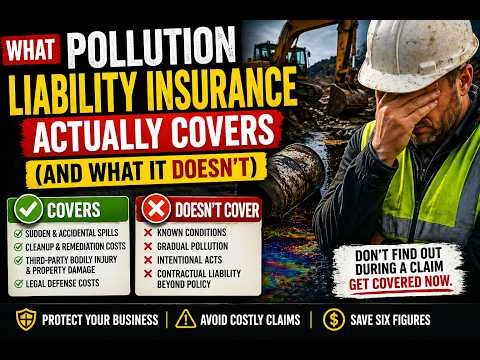
What Pollution Liability Insurance Actually Covers (And What It Doesn’t)
Clicking Load video connects to YouTube. No player loads automatically.
Watch on YouTube ↗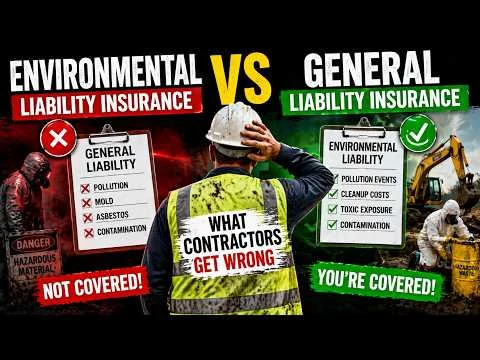
Pollution and environmental risk
Environmental vs General Liability Insurance (What Contractors Get Wrong)
Clicking Load video connects to YouTube. No player loads automatically.
Watch on YouTube ↗Connect this topic to your program
Bring the operational details above into a coordinated review of your contracts, loss history and actual policy wording. Explore Montridge pollution liability insurance services for the related brokerage service.
Source references
Primary-source background informs the technical discussion. Insurance review questions are educational interpretation; a source link does not establish coverage or certify compliance.
Prepared November 1, 2026. Confirm current requirements and their application to your work before relying on them. Specific insurance outcomes require review of the complete policy and endorsements.