
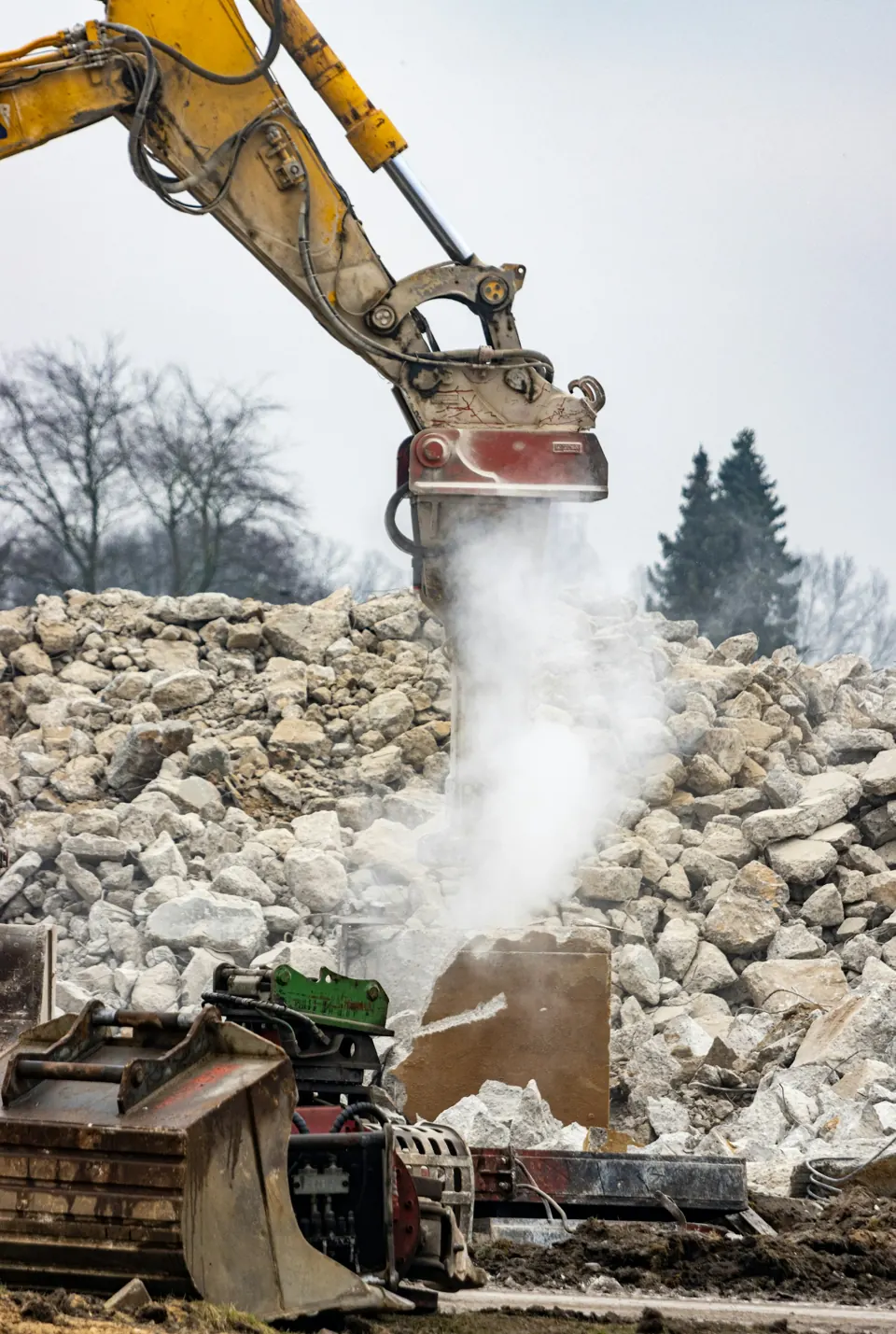
FOR Energy asset owners, demolition contractors and closure project managers
Treat closure as a new operating phase
An energy asset’s risk changes when production stops and dismantling begins. Identify the equipment to be removed, assets to remain, utilities to isolate and materials requiring specialist handling. DOE’s wind end-of-service guidance highlights removal and restoration responsibilities, while NRC guidance describes a separate financial assurance framework for nuclear decommissioning. Requirements are technology- and jurisdiction-specific. Do not assume an operating policy, a construction policy or a generic demolition classification addresses the complete closure project.
Separate planned costs and accidental loss
Dismantling, disposal and restoration are planned obligations. Insurance should not be presented as paying the ordinary cost of completing them. Review accidental injury, damage to retained or adjacent property, pollution, transportation and professional services as distinct exposures. Ask how policies treat demolition, blasting if involved, work on contaminated equipment and known conditions. A surety bond or other financial assurance instrument may support performance obligations but can differ substantially from liability insurance in purpose, recourse and claim trigger.
Review residual and long-tail responsibilities
Contracts should identify who owns salvaged material, who approves disposal facilities and who remains responsible for contamination or defects discovered later. Review completed operations, claims-made reporting requirements and discontinued operations with the actual policies. A sale of assets or corporate restructuring does not automatically eliminate environmental or contractual responsibility. For nuclear work, obtain specialist advice on the applicable licensing, financial assurance and nuclear insurance arrangements. This page does not establish nuclear market access or confirm that conventional policies cover radiological activities.
Consider a turbine dismantling project where valuable components will be sold while foundations remain temporarily in place. Identify who owns the removed components, who insures their transport and who is responsible for damage to the retained site. Review the period between cessation of operations and full contractor mobilization as well. That interval can involve security, weather and residual liability even when no production occurs. The closure schedule and insurance schedule should therefore be compared across the entire transition, not only the demolition dates.
Build the closure insurance plan early
Provide the decommissioning scope, engineering reports, material surveys, contractor contracts, disposal routes and restoration criteria. Identify existing contamination separately from a possible new release. Review temporary storage, heavy transport, lifting and retained structures. Set out the insurance and assurance responsibilities of owner, demolition contractor, environmental firm and transporter. Keep completion and acceptance records after work ends. A pre-mobilization review can expose gaps between the planned closure budget, financial assurance instruments and insurance for accidental events while there is still time to address them. Identify security responsibility while the closed site awaits dismantling.
Questions for your next review
- Which costs are planned closure obligations rather than insured losses?
- Who retains liability after disposal and site acceptance?
- Do policy descriptions expressly address the actual dismantling and handling activities?
Related Montridge webinars
Pollution and environmental risk
Environmental Contractor Insurance Explained (What You Actually Need)
Clicking Load video connects to YouTube. No player loads automatically.
Watch on YouTube ↗Connect this topic to your program
Bring the operational details above into a coordinated review of your contracts, loss history and actual policy wording. Explore Montridge environmental remediation contractor insurance services for the related brokerage service.
Source references
Primary-source background informs the technical discussion. Insurance review questions are educational interpretation; a source link does not establish coverage or certify compliance.
Prepared November 1, 2026. Confirm current requirements and their application to your work before relying on them. Specific insurance outcomes require review of the complete policy and endorsements.