
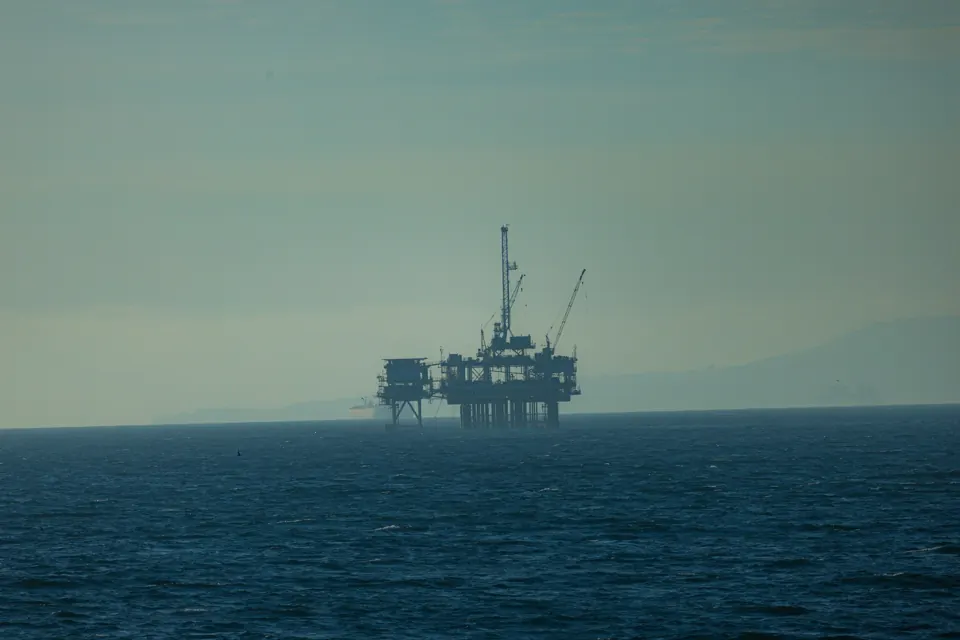
FOR Offshore asset owners, removal contractors, marine contractors and project managers
Define the removal campaign as a sequence of operations
Platform retirement can involve well work, isolation and cleaning, structural preparation, cutting, lifting, transport and final site clearance. Identify which activities are included in the removal contract and which remain with the owner or other specialists. The topside, supporting structure, pipelines and associated debris can have different treatment and disposal plans.
For U.S. federal OCS projects, BSEE describes decommissioning as a regulated process with required approvals. An approved alternative disposition, where available, is not permission to improvise a different removal method. Confirm the project-specific approvals and operating limits with the responsible advisers. Insurance should reflect the approved campaign and contemplated contingencies, not simply the historical description of an operating production platform.
Follow the heavy lift and marine spread
A removal campaign may use crane vessels, barges, tugs, diving teams and remotely operated equipment. Identify vessel ownership, charter arrangements, lift responsibility and control of the worksite. Review hull, protection and indemnity, marine contractor liability and project property interests according to the participating entities and contracts.
An illustrative loss could involve a component dropped during lifting, damaging a vessel or subsea infrastructure and requiring recovery work. The damaged asset, wreck or debris removal, third-party property and delay costs may fall under different provisions. Review lifting limits, weather criteria, warranties and survey requirements where applicable. A project-wide insurance label does not establish that each vessel, subcontractor or property interest is included.
Address contamination and disposition explicitly
Residual hydrocarbons, treatment chemicals, contaminated scale or other materials may remain in retired equipment. Describe surveys, cleaning, containment and waste characterization, including who classifies and accepts material after it reaches shore. Review pollution and transportation arrangements throughout that chain. Ownership of scrap and responsibility for waste can transfer at different points.
The removal contract should distinguish pre-existing pollution from a new release caused by the work, without assuming the distinction will be simple after an incident. Examine contractual liability, property in care and completed-operations provisions. The cost of planned cleaning or mandated disposal is not automatically an insured claim. Retain receipts and traceable records rather than treating sale of scrap as proof that all environmental obligations ended.
Plan for weather, clearance and the liability tail
Provide the removal engineering, lift plans, vessel schedule, values, contractor qualifications and emergency arrangements. Identify safe stopping points, weather contingencies and the availability of replacement marine equipment. The financial model should separate insured damage delay from ordinary weather downtime, permit delay and commercial remobilization costs.
Final clearance evidence matters after the major structures are gone. Keep surveys, completion records and unresolved-obligation lists, and establish who receives later notices about alleged obstructions or damage. Review insurance continuity after the project entity demobilizes. The owner should also assess any continuing statutory or lease responsibilities; a contractor's completion certificate and insurance program do not necessarily release the owner from obligations to regulators or third parties.
Operational exposures & coverage review
These review points are educational interpretation, not promises of insurance coverage.
| Exposure | Insurance review |
|---|---|
| Heavy-lift incident | Coordinate vessel, project property and third-party damage interests. |
| Contaminated material | Track cleaning, transport and receiving-facility responsibility. |
| Residual obstruction | Retain clearance evidence and post-project notice arrangements. |
Questions for your next review
- Which party controls the marine spread and lift decisions?
- Are debris recovery and pollution consequences addressed explicitly?
- Who remains responsible for site clearance after demobilization?
Related Montridge webinars
Longshore coverage context; actual maritime worker status must be reviewed.
Marine, ports and terminals
USL&H Insurance for Marine Contractors: Who Needs It and Why
Clicking Load video connects to YouTube. No player loads automatically.
Watch on YouTube ↗Connect this topic to your program
Bring the operational details above into a coordinated review of your contracts, loss history and actual policy wording. Explore Montridge marine contractor insurance services for the related brokerage service.
Related specialty resource: Montridge Marine Contractors Resource Center. Adjacent marine contractor, vessel and waterfront insurance resources; specialist vessel terms remain project-specific.
Source references
Primary-source background informs the technical discussion. Insurance review questions are educational interpretation; a source link does not establish coverage or certify compliance.
Federal OCS decommissioning includes wells, structures and site clearance; operator obligations are distinct from contractor services.
Scope: U.S. federal Outer Continental Shelf · Source reviewed 2026-11-01
BSEE explains offshore removal approvals and decommissioning scope. No numerical deadline is generalized to other jurisdictions.
Scope: U.S. federal Outer Continental Shelf · Source reviewed 2026-11-01
Prepared November 1, 2026. Confirm current requirements and their application to your work before relying on them. Specific insurance outcomes require review of the complete policy and endorsements.