
FOR Transformer owners, project developers, logistics managers and specialist haulers
Follow the transformer through every handoff
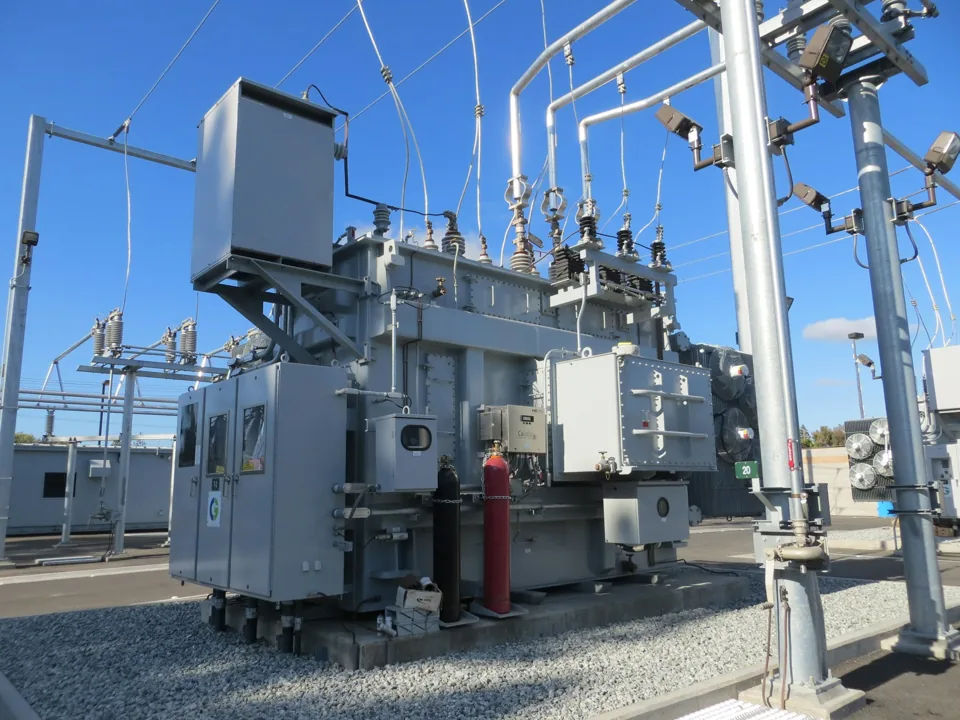
A large transformer may move from a manufacturer through ocean transport, port storage, rail or road haul, temporary laydown and final positioning. DOE highlights the difficulty of transporting and replacing large power transformers. For insurance planning, develop a movement schedule identifying each custodian, location and transfer of risk rather than relying only on the final destination.
Distinguish the owner’s cargo insurance from a carrier’s liability policy. A hauler’s contractual liability, available limit and defenses may not equal the transformer’s full value. Review loading and unloading, storage extensions, route changes and the point at which installation or operational coverage begins. The purchase terms should agree with the intended insurance attachment.
Condition evidence matters when damage is hidden
External appearance alone may not resolve whether a transformer suffered transit damage. Agree with qualified engineers on appropriate pre-shipment, handoff and arrival evidence, including manufacturer instructions and any specified shock or tilt monitoring. Insurance review should address inspection obligations and prompt reporting without turning this page into an engineering test procedure.
Consider damage discovered during final testing after several transport legs. The investigation may need records from multiple carriers, lifting contractors and storage sites. Preserve packaging, monitoring data and delivery exceptions. Ask how concealed-damage provisions, time limits and proof of loss operate under the actual cargo policy, and avoid signing an unqualified acceptance that conflicts with unresolved condition concerns.
The value at risk includes a critical-path dependency
A replacement transformer can involve specialized manufacturing and a complicated return journey. Review the insured value, freight, duties where applicable, debris handling and the cost of moving a replacement. Damage to accessories or bushings can also delay commissioning even when the main unit is repairable.
Project delay is a separate question from cargo damage. Any marine delay-in-startup or comparable protection should be reviewed for its insured physical-damage trigger, waiting period, scheduled critical items and restoration assumptions. Lost operating revenue at an existing station requires a different analysis. Do not assume a cargo limit automatically funds missed project milestones or contractual availability penalties.
Coordinate transport and site readiness
Provide dimensions, weight, route surveys, lifting plans, storage locations, carrier details and the delivery schedule to the insurance team. Explain whether the receiving foundation, roads and crane positions will be ready before arrival. An extended laydown caused by site delay can change accumulation, security and weather exposure beyond the original transit plan.
Confirm who authorizes deviations, notifies insurers and coordinates any required survey. The owner, freight forwarder, hauler and installation contractor should understand their distinct obligations. A single movement file with contracts, condition records and coverage dates makes it easier to identify a gap before the transformer leaves one party’s control and enters another’s.
Operational exposures & coverage review
These review points are educational interpretation, not promises of insurance coverage.
| Exposure | Insurance review |
|---|---|
| Multiple custody transfers | Align purchase terms and cargo attachment with each handoff. |
| Hidden internal damage | Preserve inspection and transport-monitoring evidence. |
| Replacement delay | Review cargo damage separately from startup or operating income. |
Questions for your next review
- Who insures each transport and storage stage?
- How will concealed damage and handoff condition be documented?
- Is delay protection tied to the actual critical transformer?
Related Montridge webinars
Specialized freight insurance questions for critical, oversized power equipment.
Energy logistics and fleets
Specialized Freight Carrier Insurance: Coverage for High-Risk & Heavy-Haul Fleets
Clicking Load video connects to YouTube. No player loads automatically.
Watch on YouTube ↗Connect this topic to your program
Bring the operational details above into a coordinated review of your contracts, loss history and actual policy wording. Explore Montridge energy logistics insurance services for the related brokerage service.
Source references
Primary-source background informs the technical discussion. Insurance review questions are educational interpretation; a source link does not establish coverage or certify compliance.
Large transformers can be difficult to transport and replace; equipment-specific procurement dependencies matter.
Scope: United States; technical background and applicable federal framework · Source reviewed 2026-11-01
OSHA federal electric-power operations and maintenance scope; applicability depends on the work.
Scope: United States; technical background and applicable federal framework · Source reviewed 2026-11-01
Prepared November 1, 2026. Confirm current requirements and their application to your work before relying on them. Specific insurance outcomes require review of the complete policy and endorsements.