
FOR Marine energy contractors, terminal operators, and project managers
Describe the marine operation precisely
Energy work at ports, terminals, docks, and offshore locations can combine land-based construction, vessel operations, cargo handling, and specialist technical services. Record where employees work, the equipment they use, and the contractual role of each party. A waterfront address alone does not determine the necessary insurance structure.
Identify owned, chartered, hired, and customer vessels; floating equipment; terminal facilities; and cargo interests. Separate liability arising from the work from physical damage to equipment or cargo. Review loading, mooring, lifting, and transfer activities as individual operations with their own responsibilities.
Address worker coverage from the facts
The Department of Labor identifies traditional maritime occupations and qualifying locations as central to Longshore coverage, while also describing exclusions and statutory extensions. Applicability is a legal and factual question. Offshore assignments may require further review under the relevant extension rather than a general assumption about location.
Distinguish potential Longshore obligations from issues involving vessel crew and maritime employer liability. Obtain qualified guidance where duties, vessel connection, or work location are unclear. Do not use a short questionnaire or marketing page as a final determination of an employee’s legal status.
Coordinate liability and physical damage arrangements
Review general liability, marine liability, protection and indemnity where relevant, hull or equipment insurance, cargo, and pollution placements together. Ask which entity’s interests and operations each form addresses. Charter agreements and terminal contracts can allocate obligations that are not automatically mirrored by insurance.
Inspect watercraft exclusions, contractual liability provisions, care or custody limitations, and pollution terms. Energy marine work may involve high-value customer equipment and complex handoffs. A vessel policy or marine endorsement should be assessed by its wording and insured interest, not its title alone.
Prepare a mobilization review
Provide vessel details, work locations, crew duties, charter terms, project contracts, and equipment values before work begins. Explain whether activities occur on navigable water, adjoining terminals, offshore structures, or a combination. Keep the information current as project methods change.
Establish incident and injury reporting responsibilities across the employer, vessel operator, project owner, and insurers. Review emergency response and salvage or recovery arrangements with qualified specialists. The practical goal is a coordinated program in which each marine operation and worker group has been evaluated, with uncertain status questions escalated before mobilization.
Where a project uses both floating and land-based equipment, trace the movement of workers and materials between them. Activities that appear incidental in a contract can become material in practice. Update the review when methods change, and keep a factual record of duties and locations so that advisers can assess the actual operation rather than a simplified original description.
Questions for your next review
- Which worker groups need a specific maritime coverage determination?
- Are charter and terminal obligations reflected in the proposed policies?
- Where do vessel, cargo, pollution, and contractor liabilities intersect?
Related Montridge webinars
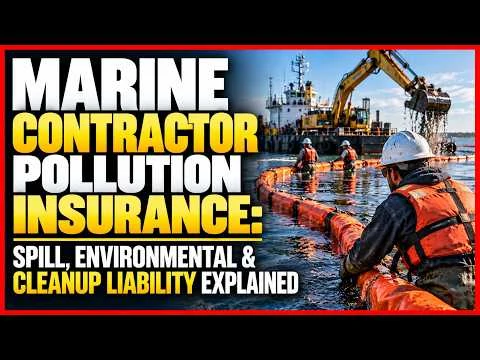
Marine, ports and terminals
Marine Contractor Pollution Insurance: Spill, Environmental & Cleanup Liability Explained
Clicking Load video connects to YouTube. No player loads automatically.
Watch on YouTube ↗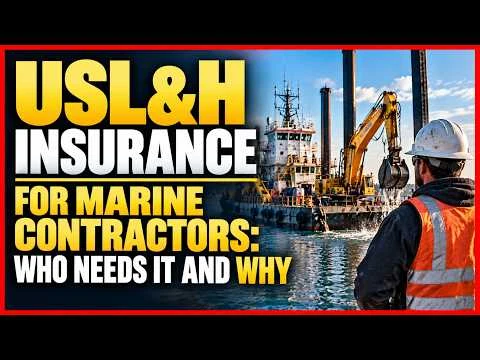
Marine, ports and terminals
USL&H Insurance for Marine Contractors: Who Needs It and Why
Clicking Load video connects to YouTube. No player loads automatically.
Watch on YouTube ↗Connect this topic to your program
Bring the operational details above into a coordinated review of your contracts, loss history and actual policy wording. Explore Montridge marine contractor insurance services for the related brokerage service.
Source references
Primary-source background informs the technical discussion. Insurance review questions are educational interpretation; a source link does not establish coverage or certify compliance.
Prepared November 1, 2026. Confirm current requirements and their application to your work before relying on them. Specific insurance outcomes require review of the complete policy and endorsements.