
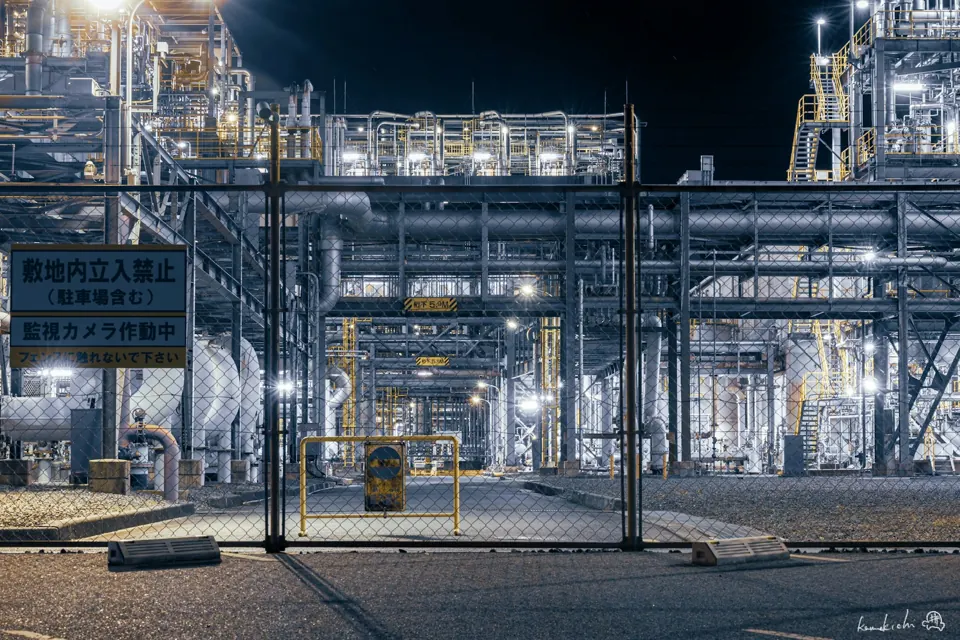
FOR Fractionation plant owners, midstream operators and product-service contractors
Describe the feed and product boundaries
A fractionation facility separates a mixed hydrocarbon-liquid stream into distinct products. EIA distinguishes this activity from the earlier recovery of liquids during natural-gas processing. The insurance submission should explain whether fractionation is integrated with another plant or receives feed from several external sources.
Identify the owner of feedstock and finished products, the fee or ownership model and the storage and loading arrangements. Separate the plant’s physical assets from customer product in its custody. A declared property value should not silently exclude substantial third-party inventory, and a revenue statement should reflect the facility’s actual commercial interest rather than the gross value of all material passing through it.
Review machinery and shared-system dependencies
A failure in one part of the process can affect several products, particularly where trains share utilities, controls or storage. Identify critical machinery and the realistic ability to isolate a damaged section while continuing other operations. Replacement time and specialist repair capacity may matter more than the damaged component’s purchase price.
Compare property and equipment breakdown terms for the initiating cause and resulting damage. Business interruption analysis should distinguish repair-driven downtime from feed shortages, market conditions and customer scheduling. Discuss off-site dependencies and any contingent interruption provisions explicitly. The existence of an upstream supplier or downstream buyer does not itself make every disruption at that counterparty an insured event.
Separate contamination from contractual specifications
An off-specification batch can generate testing, blending, disposal, replacement and customer claims. Determine whether the event involves physical damage, contamination, a process error or simply failure to meet a commercial specification. These distinctions can change the relevant policy and the exclusions requiring review.
Evaluate customer property, products liability, pollution and professional-service exposures where the operator provides technical advice. Review contractual responsibility for feed that arrives outside specification and for product accepted by a downstream customer. A performance commitment or a requirement to replace rejected material should not be described as automatically covered. Identify who can stop receipt or shipment when quality information is uncertain.
Build the submission around material and value flows
Provide process summaries, values, inventories, maintenance records and representative feed and product agreements. Explain storage segregation, product testing, custody-transfer points and the handling of off-specification material. Include major utility dependencies and the availability of alternate processing or storage arrangements.
For an incident, preserve sample records, process data and the sequence of transfers before assigning all loss to a single cause. Track physical damage, cleanup, extra expense and customer demands separately. Review a proposed expansion or new feed source before commissioning, especially if it changes the product mix or responsibility for third-party material. This allows insurance to be evaluated against the actual fractionation business rather than a generic gas-processing label.
Operational exposures & coverage review
These review points are educational interpretation, not promises of insurance coverage.
| Exposure | Insurance review |
|---|---|
| Multiple products | Model shared systems and correlated interruption. |
| Customer inventory | Identify ownership and custody values. |
| Off-specification batch | Separate physical damage from performance obligations. |
Questions for your next review
- Who owns feed and finished products at each stage?
- Which utility can interrupt all product streams?
- How are rejected batches valued and allocated?
Connect this topic to your program
Bring the operational details above into a coordinated review of your contracts, loss history and actual policy wording. Explore Montridge energy services insurance services for the related brokerage service.
Source references
Primary-source background informs the technical discussion. Insurance review questions are educational interpretation; a source link does not establish coverage or certify compliance.
EIA explains mixed hydrocarbon gas liquids and separation into products by fractionation.
Scope: United States; technical industry background · Source reviewed 2026-11-01
PHMSA describes facility and construction inspection subjects, including welding, testing and LNG operations.
Scope: United States; applicable federal/state pipeline and LNG jurisdiction · Source reviewed 2026-11-01
Prepared November 1, 2026. Confirm current requirements and their application to your work before relying on them. Specific insurance outcomes require review of the complete policy and endorsements.