
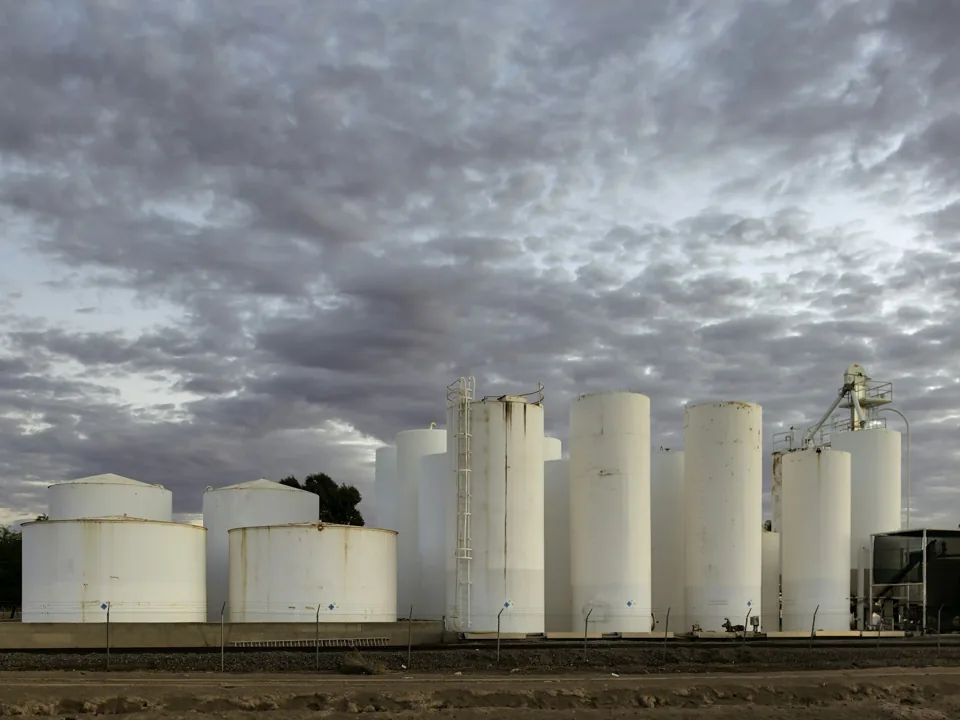
FOR Bulk storage operators, terminal owners, and tank-farm managers
Identify the stored interest and operating role
A tank farm may store its own product, customer-owned inventory, or both. Identify each category, the legal entity responsible for operations, and the contracts governing custody. Product values, maximum inventories, tank construction, and transfer arrangements should be described accurately rather than inferred from average throughput.
Explain whether the site includes blending, heating, loading, rail transfer, or other processing activities. These functions can change the exposure materially. An insurance schedule that only lists tanks may miss equipment, pipelines, pumps, containment systems, and other assets needed to keep the facility operational.
Review contamination and release pathways
A loss can involve damage to a tank, lost product, commingling, contamination, fire, and offsite consequences. Review how the proposed program treats each category. Liability for customer inventory is not necessarily the same as direct property insurance on that inventory, and pollution terms require their own analysis.
Document product segregation, transfer procedures, inspection practices, and containment arrangements. Identify nearby waterways and neighboring property without treating a map as a substitute for engineering review. Ask about cleanup, emergency response, existing conditions, and reporting provisions under the actual insurance wording before describing the environmental exposure as addressed.
Examine transfer and interruption interfaces
Loading racks, pumps, power supply, rail connections, pipelines, and marine facilities may determine whether stored product can move. Identify who owns each interface and who controls transfer operations. A damaged connection outside the tank farm may interrupt business without physically damaging the insured tanks.
Review business interruption calculations using the facility’s actual revenue model and recovery constraints. Consider the time needed to inspect, clean, repair, test, and return equipment to service. Do not assume a customer’s loss of product use or a storage contract penalty is insured merely because the operator has property coverage.
Prepare a custody-focused submission
Provide tank schedules, values, product information, peak inventories, site plans, loss history, and storage agreements. Identify inventory owned by others and any agreement to insure it. Ask counsel to review limits of liability and indemnities, then ask the broker to compare those obligations with property and liability terms.
Keep changes in product, inventory, or additional services under review. New blending activity or a different hazardous material should not be treated as a minor administrative update. A documented review helps management distinguish insured assets and liabilities from commercial commitments that require separate negotiation or retention.
Where several customers share a tank or transfer system, review how inventory and potential contamination are allocated among them. The insurance team needs to understand whether the operator promises segregation, quantity reconciliation, or a particular product specification. Those promises can create distinct financial exposures that may not follow the same policy provisions as physical damage to the tank itself.
Questions for your next review
- Who owns the stored product?
- Are blending and transfer activities disclosed?
- Which connections are essential to moving inventory?
Related Montridge webinars
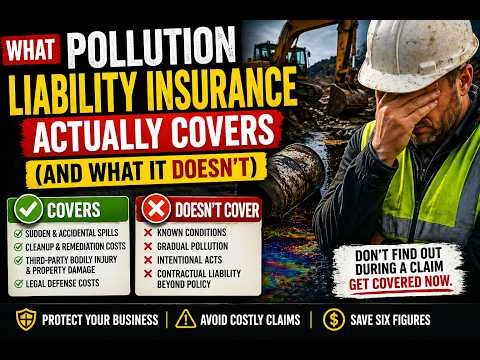
Pollution and environmental risk
What Pollution Liability Insurance Actually Covers (And What It Doesn’t)
Clicking Load video connects to YouTube. No player loads automatically.
Watch on YouTube ↗Connect this topic to your program
Bring the operational details above into a coordinated review of your contracts, loss history and actual policy wording. Explore Montridge energy services insurance services for the related brokerage service.
Source references
Primary-source background informs the technical discussion. Insurance review questions are educational interpretation; a source link does not establish coverage or certify compliance.
Prepared November 1, 2026. Confirm current requirements and their application to your work before relying on them. Specific insurance outcomes require review of the complete policy and endorsements.