
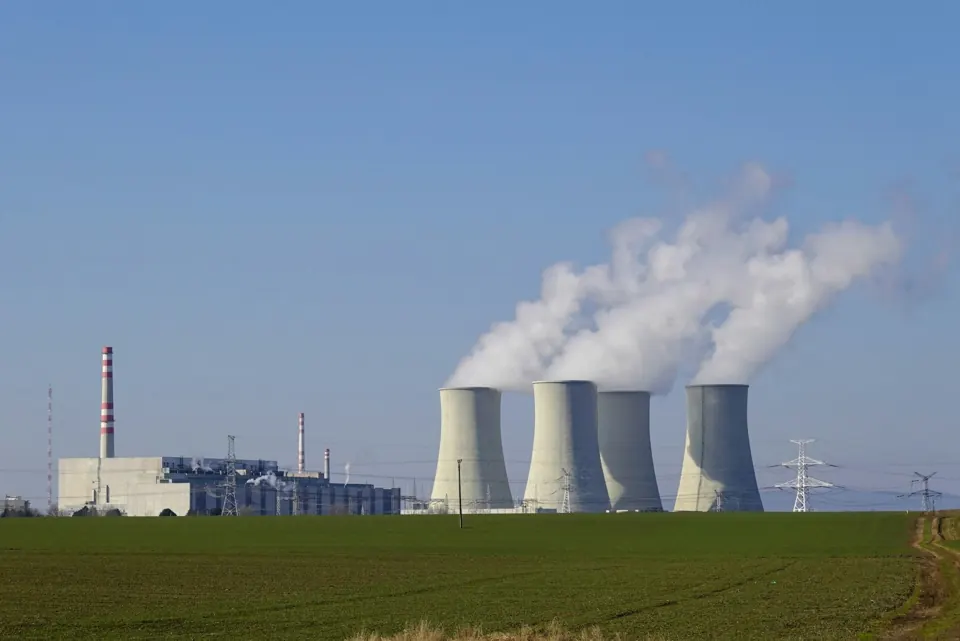
FOR Nuclear outage contractors, specialty trades and maintenance project managers
Understand the outage work package
An outage concentrates many contractors, temporary workers and maintenance tasks into a constrained period. Describe the exact equipment, work areas, shift arrangements and supervision structure. Identify whether the task involves radiological work, conventional mechanical work, inspection, testing or professional decisions. A schedule-driven outage does not reduce the need to define responsibility. The review should start with the customer-approved work package and the applicable site program, not a generic classification for power-plant maintenance.
Separate nuclear and conventional responsibilities
The NRC’s nuclear insurance explanation and the site’s own documents provide a starting point for specialist analysis. Confirm the arrangement applicable to the facility and contract rather than assuming all outage participants share identical protection. Review conventional liability for lifting, temporary equipment, vehicles and damage to customer property. Examine nuclear exclusions and site-program interfaces with qualified advisers. A customer indemnity and the contractor’s insurance perform different functions; neither should be treated as a substitute for the other without analysis of the actual terms.
Evaluate schedule and rework obligations
Outage contracts may allocate delay, rework, performance and consequential loss responsibilities. Those obligations can exceed the contractor’s insurance response. Review the distinction between repairing faulty work, damage resulting from the work and lost generation. Identify the party controlling restart and acceptance. Where inspection or technical advice is part of the contract, examine professional liability and the insured services definition. Do not assume a liability limit equals the amount available for contractual outage penalties or a missed restart date.
Consider a maintenance task completed near the planned restart date that must be reopened after testing identifies a discrepancy. Separate the cost of correcting the work, damage to other equipment and allegations of delayed generation. Identify which party documented the original acceptance and who directs the corrective work. The insurance review should not collapse those costs into one assumption of coverage. Contract and policy analysis can then focus on the actual allegation and the circumstances rather than the urgency of the outage schedule.
Create a reliable documentation trail
Collect scope approvals, task qualifications, inspection records, equipment condition reports and acceptance evidence. Document changes during the outage and how they are approved by the customer and communicated to insurers when necessary. Review subcontractor responsibilities and temporary staffing arrangements. Establish who reports an incident or latent defect and which documents must be preserved. The insurance consultation should identify unresolved nuclear questions for specialist review while addressing the conventional contractor program in detail. No statement here confirms nuclear market access or eligibility for a particular project.
Questions for your next review
- Who authorizes scope changes and restart acceptance?
- Which delay and rework obligations remain uninsured under the proposed program?
- What site-specific nuclear arrangement applies to the outage work?
Connect this topic to your program
Bring the operational details above into a coordinated review of your contracts, loss history and actual policy wording. Explore Montridge industrial service company insurance services for the related brokerage service.
Source references
Primary-source background informs the technical discussion. Insurance review questions are educational interpretation; a source link does not establish coverage or certify compliance.
Prepared November 1, 2026. Confirm current requirements and their application to your work before relying on them. Specific insurance outcomes require review of the complete policy and endorsements.