
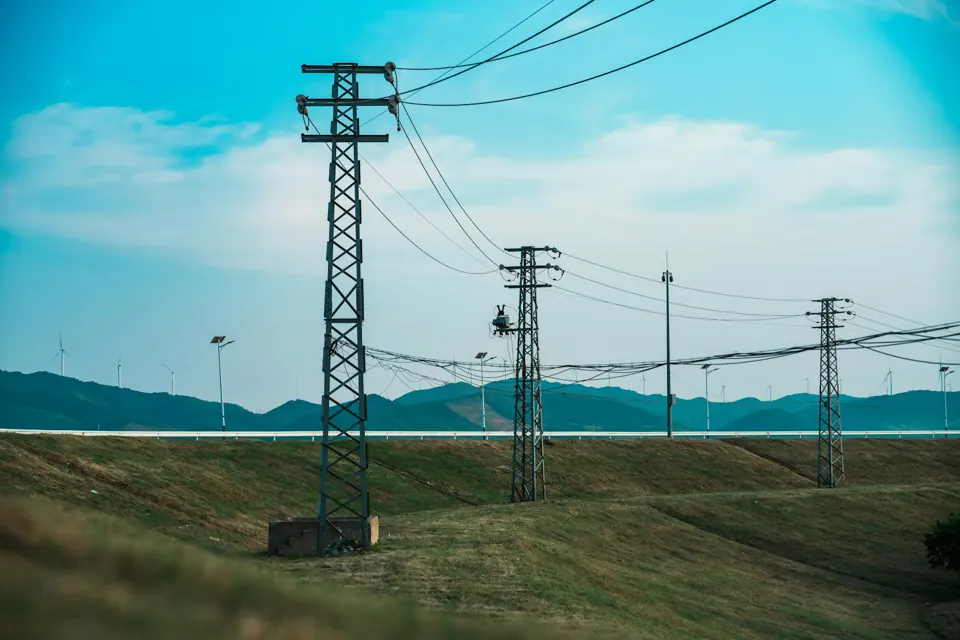
FOR Electric utilities, cooperatives, independent operators and service providers
Define the utility’s actual operations
A utility may generate, purchase, transmit, distribute or sell power in different combinations. Start with a diagram of assets and responsibilities, including ownership interests, leased facilities and shared infrastructure. Identify substations, control centers, communication systems, mobile equipment and service territories. OSHA identifies electrical and other hazards across generation, transmission and distribution, but the insurance review also needs the organization’s specific operating model. A single business description can obscure the differences between an asset owner, an operating contractor and a power marketer.
Assess concentration and catastrophe
Review how a major storm, wildfire, flood or equipment failure could affect several locations simultaneously. Identify critical transformers, access constraints and the availability of replacement equipment. Ask how the proposed property wording addresses lines away from premises, outdoor equipment, debris removal and catastrophe deductibles. Liability exposures should be evaluated separately from damage to owned assets. A property limit cannot be assumed to address third-party injury, wildfire allegations or service-related claims. Use engineering and loss information to test the practical effect of each policy restriction.
Coordinate operational and contractual risk
Review power purchase agreements, interconnection arrangements, mutual assistance agreements and outsourced service contracts. Determine which obligations relate to physical damage, service quality, professional decisions or assumed liability. Business interruption analysis should distinguish an insured shutdown from demand changes, market pricing and routine curtailment. Cyber and operational technology review should examine control dependencies and vendor access without assuming all physical consequences are covered by a cyber policy. Identify who can authorize emergency expenditure and how claims reporting interacts with restoration priorities.
A useful concentration exercise assumes a single major transformer fails while regional demand for replacement units is high. Review whether a spare exists, whether transport is feasible and whether temporary supply arrangements are contractually available. Compare this with the value and interruption declarations. Then evaluate third-party allegations separately from the owned-equipment claim. Keeping these scenarios distinct helps management understand why property, liability, cyber and retained risk require coordinated analysis even when one operational event affects several parts of the business.
Prepare the program review
Provide asset schedules, updated values, geographic information, operating agreements, loss runs, maintenance records and emergency response arrangements. Describe energized work, vegetation management, construction and subcontracted activities accurately. Review workers compensation, automobile, excess liability and professional exposures alongside property and environmental considerations. Identify any self-insured layers, pools or alternative financing arrangements and the reporting obligations they impose. The objective is a coordinated program based on the utility’s actual duties, with unresolved coverage and retained-risk issues documented for management.
Questions for your next review
- Are off-premises lines and shared substations addressed explicitly?
- How are catastrophe deductibles applied across affected locations?
- Which service and contractual obligations extend beyond insured loss?
Related Montridge webinars
Energy operations
Utility Insurance Claims: 7 Losses That Cost Millions
Clicking Load video connects to YouTube. No player loads automatically.
Watch on YouTube ↗
Energy operations
Energy & Utility Risk Management: 10 Biggest Risks Facing Utilities Today
Clicking Load video connects to YouTube. No player loads automatically.
Watch on YouTube ↗Connect this topic to your program
Bring the operational details above into a coordinated review of your contracts, loss history and actual policy wording. Explore Montridge power & utility contractor insurance services for the related brokerage service.
Source references
Primary-source background informs the technical discussion. Insurance review questions are educational interpretation; a source link does not establish coverage or certify compliance.
Prepared November 1, 2026. Confirm current requirements and their application to your work before relying on them. Specific insurance outcomes require review of the complete policy and endorsements.