FOR Vessel repair firms, welding contractors and process-facility owners
Identify the repair boundary and governing authority
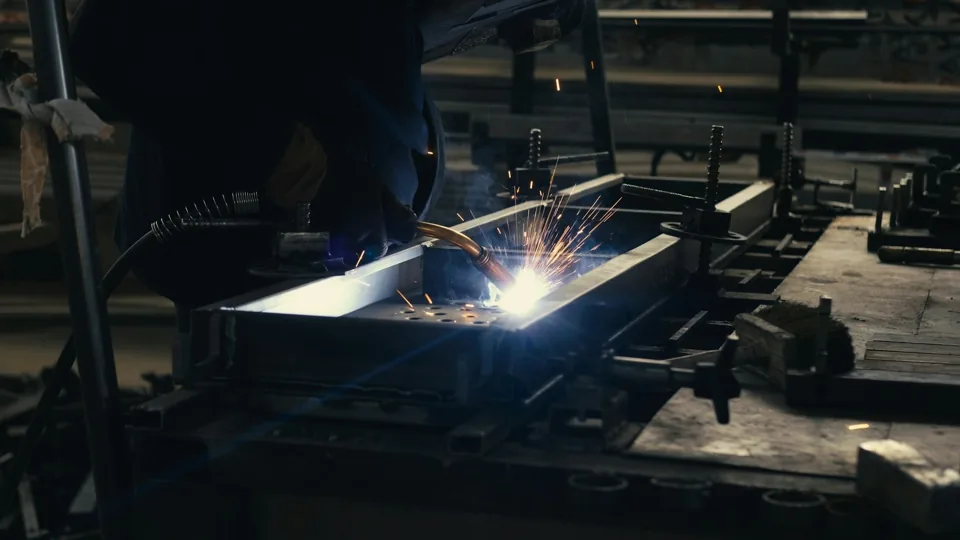
Pressure vessel repair may involve weld repairs, nozzle replacement, corrosion removal, internal modification or replacement of a pressure-retaining component. Describe whether the contractor follows an approved repair design, develops that design, or only performs a specified welding task. The owner, engineer, inspector and repair organization may each have different responsibilities.
OSHA identifies leakage and rupture as serious pressure-vessel hazards. Applicable codes, registration, inspection and authorization requirements vary with the vessel and jurisdiction and require specialist confirmation. A contractor’s insurance limit does not establish technical qualification. Avoid accepting a broad obligation to certify an entire vessel when the actual assignment concerns a limited repair area.
Consider custody, lifting and test conditions
A vessel may remain at the customer’s facility or be transported to a shop. Identify who owns it, who controls removal and rigging, and when the repairer takes custody. The loss potential can include existing defects, damage during handling and failure during testing. Temporary storage may introduce weather or contamination exposures before the repair starts.
Review property-of-others coverage, riggers liability where relevant, transit arrangements and general liability exclusions. Ask whether testing activities are specifically described and whether pressure testing or commissioning restrictions apply. The owner’s equipment breakdown policy should not be treated as a guarantee of payment for a contractor’s repair error or for correcting deterioration that existed before the job.
Evaluate the loss after the repair is complete
Consider an illustrative weld failure after the vessel returns to service. The owner may claim the cost of the failed repair, damage to other equipment, cleanup, product loss and downtime. Separate these categories and establish the timing of completion, acceptance and the incident. A completed-operations limit alone does not resolve faulty-work, pollution or contractual-loss restrictions.
If engineering judgments or inspection opinions contributed to the failure, professional liability may require separate analysis. Review how subcontracted testing and nondestructive examination are handled. Contract terms should distinguish the repair warranty from responsibility for operating conditions, future corrosion, process changes and consequential damages outside the repairer’s control.
Retain a traceable repair package
For underwriting, supply repair types, vessel service conditions, maximum values, shop and field percentages, qualification records and loss experience. Include representative contracts and the scope of any design or certification services. Explain how changes are escalated when opening the vessel reveals additional defects or unsuitable material.
The final repair package should preserve relevant drawings, material traceability, welding records, examination results, test reports and the authorized return-to-service decision. Record who accepted unresolved limitations. Before agreeing to emergency repairs under production pressure, confirm that the work remains within declared operations and that insurance notification or insurer consent requirements have been considered. Include the scope of any temporary operating restriction in that review.
Operational exposures & coverage review
These review points are educational interpretation, not promises of insurance coverage.
| Exposure | Insurance review |
|---|---|
| Pressure-boundary failure | Separate repair costs and resulting damage. |
| Customer vessel custody | Review shop, field, lifting and transit stages. |
| Inspection or engineering error | Evaluate professional-service exposures. |
Questions for your next review
- Who approves the repair design and return to service?
- Does the declared work include testing and certification?
- What records distinguish pre-existing deterioration from repair damage?
Related Montridge webinars
Product-liability context where repaired or supplied components may affect others.

Energy manufacturing and equipment
Product Liability Insurance for Manufacturers: Protecting Your Business from Product Claims
Clicking Load video connects to YouTube. No player loads automatically.
Watch on YouTube ↗Connect this topic to your program
Bring the operational details above into a coordinated review of your contracts, loss history and actual policy wording. Explore Montridge industrial service company insurance services for the related brokerage service.
Source references
Primary-source background informs the technical discussion. Insurance review questions are educational interpretation; a source link does not establish coverage or certify compliance.
OSHA identifies leakage and rupture hazards and the importance of suitable design, installation and maintenance.
Scope: United States federal guidance · Source reviewed 2026-11-01
Federal hazardous-energy standard addresses specified servicing and maintenance activities and states exclusions from its scope.
Scope: United States federal guidance · Source reviewed 2026-11-01
Prepared November 1, 2026. Confirm current requirements and their application to your work before relying on them. Specific insurance outcomes require review of the complete policy and endorsements.