
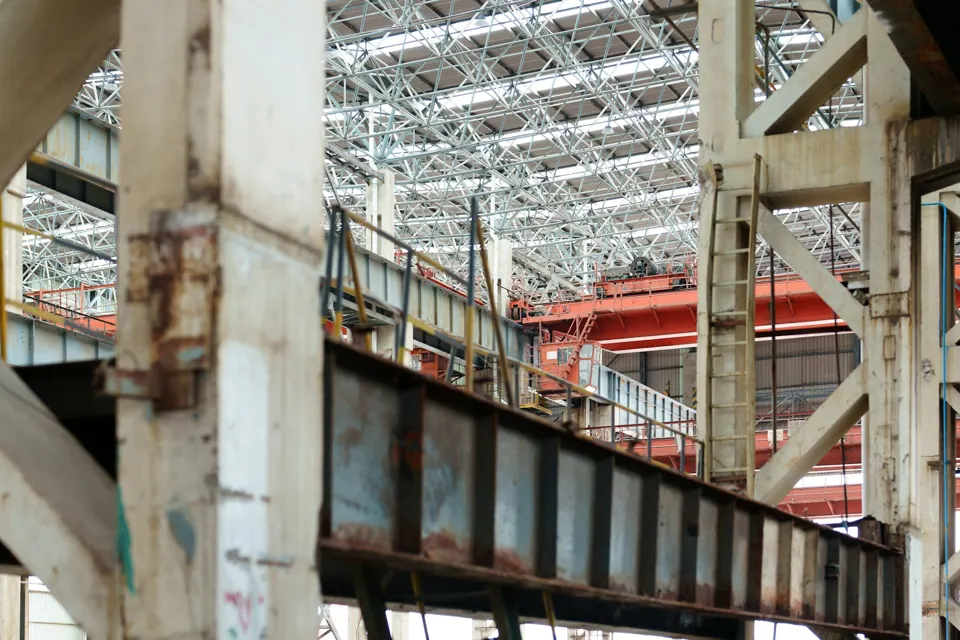
FOR Crane companies, rigging contractors, and energy project lifting coordinators
Define the lift and contractual responsibility
Energy lifts can involve heavy modules, process vessels, transformers, or other costly equipment. Describe the load, location, lift scope, and parties involved. Identify whether the contractor supplies only equipment, equipment with an operator, a complete rigging service, or responsibility for planning and supervising the lift.
Document who prepares and approves the lift plan, provides ground information, controls the site, and directs the work. These details should align with the contract and actual practice. Insurance analysis cannot replace an engineered lift plan, but it requires a clear account of the responsibility being accepted.
Separate crane damage from the lifted load
The crane, rigging equipment, customer load, surrounding property, and contractor’s work are different insurance interests. Review equipment protection separately from liability for property in the contractor’s care or being lifted. Do not assume that a crane’s insured value establishes protection for a customer’s much more valuable component.
Ask about rented or leased equipment, transit, setup, dismantling, and any special policy conditions. Compare the proposed terms with the rental or service agreement. Where the owner arranges project insurance, confirm whether and how the lifted property is insured and what rights or obligations remain with the lifting contractor.
Consider the consequences beyond physical damage
Damage to a critical component can delay installation and the wider energy project. The contract may allocate production losses, delay penalties, or other consequential costs. These promises require legal review and should not be assumed to fall within ordinary liability or equipment coverage.
Explain replacement lead times and the project’s dependence on the load. Ask the broker to distinguish available protection for physical damage from any separate delay-related interest. A large umbrella limit does not by itself answer exclusions or contractual assumptions in the underlying and excess policies.
Prepare a lift-specific review before commitment
Provide equipment schedules, lift details, contracts, customer-property values, loss history, and the intended scope of supervision. Identify subcontractors, hired equipment, and any work near operating plant, utilities, vessels, or waterways. Material changes to the lift should be communicated before execution.
Ask for written clarification of unresolved property-in-custody, professional services, and contractual issues. Counsel should assess risk allocation before the contractor signs the agreement. The insurance file should support an informed decision about retained exposure, while the technical suitability and safe conduct of the lift remain with qualified operational personnel.
For a multi-contractor lift, identify who has final authority to stop or alter the operation and how changes are communicated. The insurance review should reflect the actual supervision structure without attempting to prescribe technical procedures. Clear records of responsibilities help distinguish equipment supply, professional planning, and execution duties when comparing the contract with the policies intended to support it.
Questions for your next review
- Who plans, supervises, and directs the lift?
- Is the customer load insured separately from the crane?
- What project-delay obligations are assumed?
Related Montridge webinars
Energy operations
Heavy Equipment Insurance for Energy Contractors: What You Should Know
Clicking Load video connects to YouTube. No player loads automatically.
Watch on YouTube ↗Connect this topic to your program
Bring the operational details above into a coordinated review of your contracts, loss history and actual policy wording. Explore Montridge EPC insurance services for the related brokerage service.
Source references
Primary-source background informs the technical discussion. Insurance review questions are educational interpretation; a source link does not establish coverage or certify compliance.
Prepared November 1, 2026. Confirm current requirements and their application to your work before relying on them. Specific insurance outcomes require review of the complete policy and endorsements.