
FOR Coal plant owners, independent generators and plant operators
The generating unit extends beyond the turbine
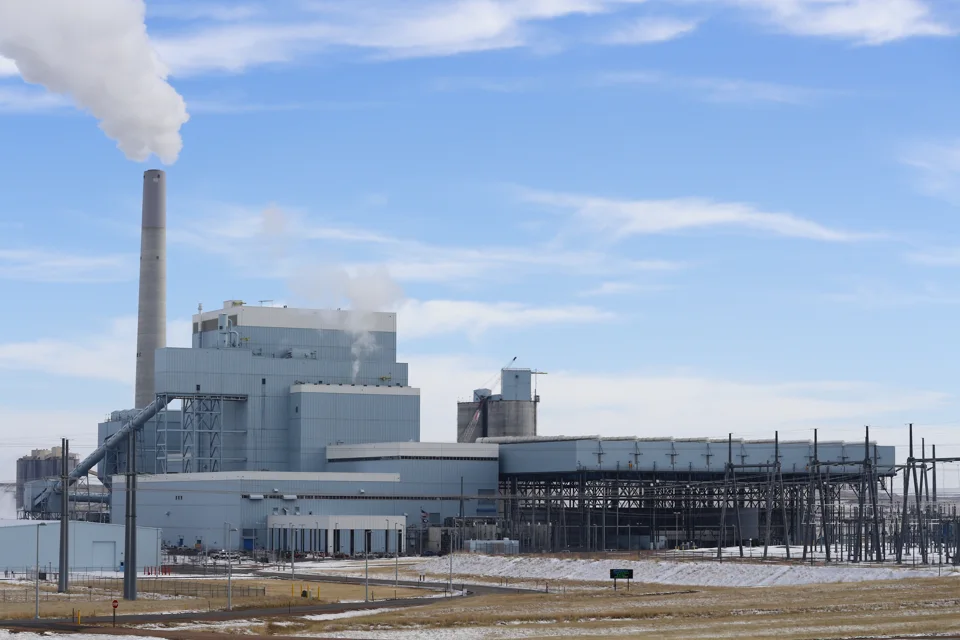
A coal-fired facility is a connected system of unloading equipment, stockpiles, conveyors, mills, boilers, turbines, generators and environmental controls. The insured property schedule should reflect those connections rather than concentrate all attention on the main generating building. A conveyor fire or failure of a single critical mill can restrict output even when the turbine is undamaged.
Separate the asset owner, operating company, fuel supplier and ash contractor. Identify leased equipment and any jointly owned rail, water or electrical facilities. The point is to identify whose physical interest and lost income are at stake, especially where one entity operates equipment that another entity owns.
Residual streams need their own environmental review
EPA identifies fly ash, bottom ash and other coal combustion residuals with different disposal or reuse pathways. For insurance planning, distinguish current production from legacy impoundments, landfills and previously closed units. An operating property policy should not be treated as funding for historical contamination or a planned closure obligation.
Review pollution exclusions, scheduled premises, known conditions, waste-disposal locations and transportation arrangements. A contractor collecting residuals may introduce loading, offsite movement and disposal-site exposures that are not resolved by an ordinary certificate of insurance. Environmental counsel and qualified engineers should identify the applicable obligations; insurance review then evaluates which accidental liabilities, if any, can be transferred.
A repair schedule is not always the outage schedule
Evaluate a boiler or turbine failure through inspection, engineering, replacement procurement, installation, testing and restart. The loss of electrical output may continue after the damaged item is physically repaired if another constrained system must be returned to service. Review property and equipment-breakdown terms together with the actual business-interruption trigger and period of restoration.
Ask how stockpiled spares, obsolete parts and a planned retirement date affect valuation. Replacement-cost wording does not by itself establish that every upgrade or modernization cost is payable. Contractual penalties, replacement-power purchases and reduced market prices also require individual analysis; they are not interchangeable with insured lost operating income.
Keep operating and retirement assumptions separate
An insurer needs the operating forecast, maintenance and inspection history, critical spare strategy, current replacement values and documented loss experience. Explain mothballed units, intermittent dispatch, reduced staffing and any planned decommissioning. These changes can affect protection systems, site security and the resources available to respond to a fire or machinery event.
Before selling or retiring a unit, compare the transaction documents with continuing liabilities, outstanding claims and environmental financial assurance. Preserve condition surveys, ash-management records and responsibility for post-closure work. A disciplined transition file helps prevent an asset being removed from the operating schedule while material obligations remain with the original owner. Include the continuing responsibility for security and fire protection at idle fuel-handling and residual-management areas.
Operational exposures & coverage review
These review points are educational interpretation, not promises of insurance coverage.
| Exposure | Insurance review |
|---|---|
| Fuel-handling interruption | Trace conveyor and mill dependencies to the generating unit. |
| Legacy residuals | Separate known conditions and closure funding from accidental loss. |
| Aging machinery | Review valuation, spares and the achievable restoration period. |
Questions for your next review
- Are fuel-handling and residual-management assets separately scheduled?
- Which environmental obligations survive retirement or sale?
- Does the outage model include obsolete parts and restart constraints?
Connect this topic to your program
Bring the operational details above into a coordinated review of your contracts, loss history and actual policy wording. Explore Montridge power & utility contractor insurance services for the related brokerage service.
Source references
Primary-source background informs the technical discussion. Insurance review questions are educational interpretation; a source link does not establish coverage or certify compliance.
Coal combustion produces several residual streams, with disposal and beneficial-use pathways.
Scope: United States; technical background and applicable federal framework · Source reviewed 2026-11-01
OSHA federal electric-power operations and maintenance scope; applicability depends on the work.
Scope: United States; technical background and applicable federal framework · Source reviewed 2026-11-01
Prepared November 1, 2026. Confirm current requirements and their application to your work before relying on them. Specific insurance outcomes require review of the complete policy and endorsements.