
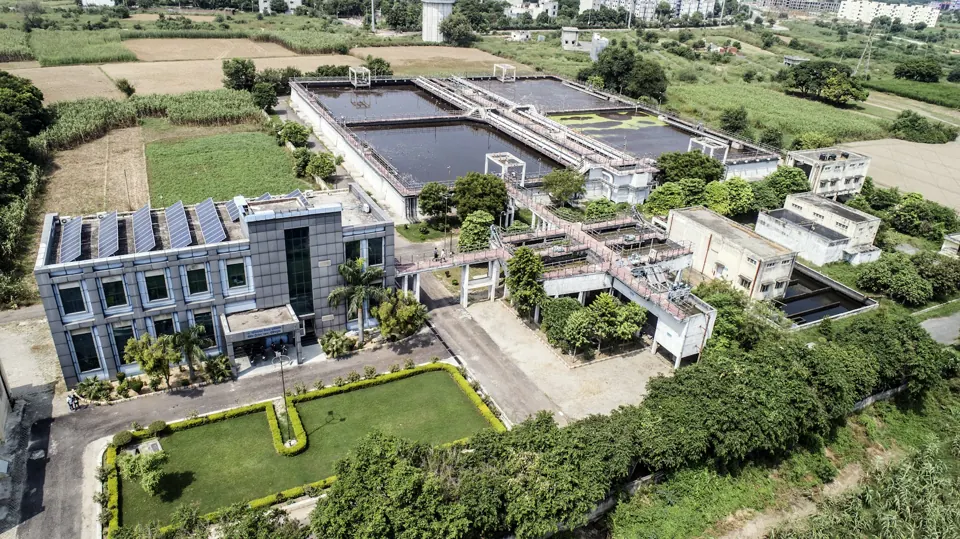
FOR Environmental contractors, energy property owners and remediation project managers
Establish the baseline condition
Environmental restoration should begin with a documented understanding of the site and the work to be performed. Identify known contamination, affected media, treatment methods, excavation, transport and final restoration criteria through qualified environmental professionals. Distinguish an owner’s legacy condition from a new release caused by the contractor. Energy decommissioning and restoration obligations can arise from contracts, permits and site-specific requirements. An insurance review should use those actual documents rather than assuming that every former energy site has identical liabilities.
Review pollution and professional services separately
Contractors pollution liability may be relevant to remediation work, but policy terms determine the treatment of known conditions, cleanup costs, transportation and disposal sites. Environmental consulting, sampling, design and certification can also raise professional liability questions. Review the insured services definition and any combined-form limitations. General liability should not be assumed to fill a pollution or professional gap. Identify which entity selects the treatment method, signs technical reports and accepts the restored site, because those roles can affect the allocation of responsibility.
Follow waste beyond the project boundary
Excavated material and contaminated equipment may pass through temporary storage, transportation and receiving facilities. Review title, custody and contractual responsibility at each stage. Check whether proposed coverage addresses transportation and non-owned disposal locations, and under what conditions. A disposal certificate or subcontractor insurance document does not by itself eliminate the owner’s or contractor’s obligations. Confirm the actual waste characterization and permitted destination through the responsible specialists. Review unexpected conditions and change-order procedures before work begins rather than relying on an assumed contamination profile.
An illustrative excavation project may encounter material outside the original assessment boundary. Establish who can pause work, authorize testing and approve a revised disposal route. The commercial change-order process and the insurance notification process should both be understood. Do not presume that unexpected contamination is automatically covered or that a known-condition exclusion resolves every new allegation. Clear baseline records and a documented response allow the owner, contractor, environmental adviser and insurer to evaluate the actual circumstances without conflating discovery with responsibility.
Plan for completion and later allegations
Provide site assessments, remediation plans, contracts, disposal arrangements, monitoring requirements and loss history. Review retroactive dates, notice requirements and extended reporting options for claims-made policies where applicable. Determine how long records and monitoring obligations continue after physical work ends. Acceptance of completed restoration may not resolve every future claim or regulatory obligation. A useful insurance consultation should identify the baseline condition, the contractor’s new work, technical advice and post-completion duties as separate components, with unanswered coverage questions documented for underwriting and legal review.
Questions for your next review
- How does the policy distinguish known contamination from a new contractor-caused condition?
- Are technical design, sampling and certification within insured services?
- What reporting and record-retention obligations survive project completion?
Related Montridge webinars
Pollution and environmental risk
Top Insurance Mistakes Environmental Contractors Make (Avoid These)
Clicking Load video connects to YouTube. No player loads automatically.
Watch on YouTube ↗
Pollution and environmental risk
Environmental Contractor Insurance Explained (What You Actually Need)
Clicking Load video connects to YouTube. No player loads automatically.
Watch on YouTube ↗Connect this topic to your program
Bring the operational details above into a coordinated review of your contracts, loss history and actual policy wording. Explore Montridge environmental remediation contractor insurance services for the related brokerage service.
Source references
Primary-source background informs the technical discussion. Insurance review questions are educational interpretation; a source link does not establish coverage or certify compliance.
Prepared November 1, 2026. Confirm current requirements and their application to your work before relying on them. Specific insurance outcomes require review of the complete policy and endorsements.