FOR Disposal-well operators, produced-water firms and oil-and-gas asset owners
Define the waste stream and operating boundary
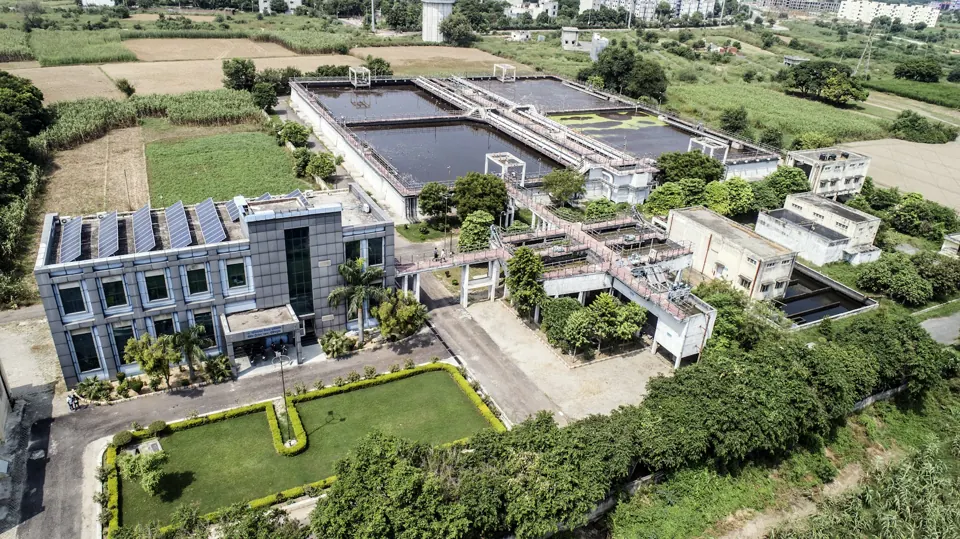
A saltwater disposal business should distinguish fluid collection, trucking, transfer, storage, treatment and injection. A disposal-well operator may receive material from many producers without controlling how it was generated. The submission should explain acceptance criteria, sampling, rejected loads and responsibility for material that does not match the declared stream.
EPA identifies Class II wells as oil-and-gas-related injection wells within the Underground Injection Control framework. Federal and state administration, permits and site-specific conditions must be checked for the actual location. An operating permit is not an insurance policy, and insurance should not be described as relieving an operator of monitoring, closure or other regulatory responsibilities.
Separate surface releases from subsurface allegations
A tank overflow or failed transfer hose creates a different evidence trail from an allegation that injected fluid migrated outside the intended zone. Both may produce cleanup demands, but site pollution wording can differ on known conditions, gradual releases, subsurface operations and the definition of insured locations or activities.
Review third-party injury and damage, remediation, emergency response and defense provisions, including applicable deductibles and reporting requirements. Discuss seismicity or other subsurface allegations explicitly rather than assuming a broad environmental label addresses them. Civil penalties, deliberate noncompliance and the cost of routine maintenance require their own analysis; they should not be presented as automatically insurable or included.
Allocate transport and customer interfaces
A disposal contract may allocate responsibility for a load differently from a hauling agreement. Identify when custody transfers, who verifies the fluid description and who pays if an unacceptable load contaminates storage or interrupts service. These obligations can remain disputed even when all parties carry insurance certificates.
Compare transportation pollution, automobile liability and site coverage at loading, unloading and temporary holding areas. A producer’s contract may impose broader indemnities than the disposal operator’s policies accept. Review disposal-site and non-owned-location provisions from the customer’s perspective as well. The transporter’s insurance is one part of the arrangement, not a substitute for evaluating the receiving facility’s own exposures.
Bring the operating history into the review
Useful evidence includes permits, well and surface-equipment information, fluid volumes, inspection and testing records, prior spills, neighboring land uses and closure plans. Explain whether the business owns the site, leases it or operates it for another entity. Identify legacy conditions before a renewal, acquisition or expansion creates uncertainty about what was previously disclosed.
For a suspected incident, preserve acceptance records, sampling results and operating data and follow the policy’s notice and consent procedures while arranging necessary emergency action. Evaluate the availability and continuity of environmental insurance over the asset’s lifecycle. Financial assurance and closure funding should be reviewed separately; neither should be assumed to be satisfied by an ordinary liability policy.
Operational exposures & coverage review
These review points are educational interpretation, not promises of insurance coverage.
| Exposure | Insurance review |
|---|---|
| Fluid acceptance | Document source, screening and rejected-load procedures. |
| Subsurface allegation | Review declared injection operations and exclusions. |
| Closure duties | Separate financial assurance from liability coverage. |
Questions for your next review
- Who accepts responsibility for an off-specification load?
- Are subsurface operations explicitly contemplated by the policy?
- What legacy conditions and closure obligations remain?
Related Montridge webinars
Water-hauling risks at the transport/disposal interface.
Energy logistics and fleets
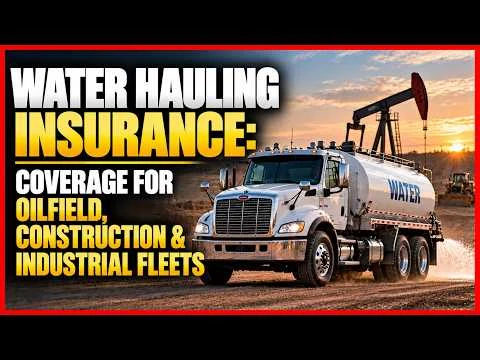
Water Hauling Insurance: Coverage for Oilfield, Construction & Industrial Fleets
Clicking Load video connects to YouTube. No player loads automatically.
Watch on YouTube ↗Connect this topic to your program
Bring the operational details above into a coordinated review of your contracts, loss history and actual policy wording. Explore Montridge environmental contractor insurance services for the related brokerage service.
Source references
Primary-source background informs the technical discussion. Insurance review questions are educational interpretation; a source link does not establish coverage or certify compliance.
EPA describes Class II oil-and-gas injection wells and the federal/state primacy framework.
Scope: United States; Safe Drinking Water Act UIC program · Source reviewed 2026-11-01
OSHA identifies chemical, vapor, hydrogen sulfide, silica and other occupational health exposure categories.
Scope: United States; oil and gas extraction · Source reviewed 2026-11-01
Prepared November 1, 2026. Confirm current requirements and their application to your work before relying on them. Specific insurance outcomes require review of the complete policy and endorsements.