
FOR Battery recyclers, collection operators and energy asset retirement managers
Collection and processing are different operations
Battery recycling can involve collection, sorting, disassembly, shredding and recovery of useful materials. EPA describes these as distinct stages rather than one uniform activity. A collection warehouse and a facility processing batteries into intermediate materials should not share an identical operational description in an insurance submission.
Identify battery chemistries, sources, condition and acceptance criteria. Explain whether the facility receives damaged units, manufacturing scrap, complete energy-storage systems or mixed consumer batteries. Record who retains ownership and who can reject a load. The intake process determines both accumulation and the possibility that an unsuitable battery enters a process designed for a different material.
Fire and environmental consequences need coordination
A thermal event can affect stored batteries, process equipment, neighboring inventory and the building, while creating smoke, contaminated debris or runoff concerns. Review property, business interruption, site pollution and liability arrangements together. Ask how cleanup at the insured site differs from third-party claims and whether particular waste streams or activities are excluded.
The regulatory classification of batteries and processing residues depends on the facts and applicable federal and state requirements. EPA distinguishes activities allowed for universal-waste handlers from other processing activities. Do not assume that calling material recyclable eliminates waste obligations or makes every process eligible for the same regulatory treatment. Environmental advisers should determine obligations before the insurance team evaluates potential transfer.
Recovered products create downstream responsibilities
Recovered material may be sold to another processor, while batteries evaluated for reuse may enter a different market. Explain these activities separately. Products liability, professional judgments about condition and contractual specifications can create exposures beyond the recycler’s own premises. A buyer’s rejection of material or a recall allegation is not automatically addressed by ordinary property insurance.
Review transportation and nonowned disposal or processing locations, including who selects downstream vendors and retains shipping records. A contract transferring title does not by itself extinguish every environmental responsibility. The program review should identify retained obligations and any available insurance provisions without promising that all downstream contamination or cleanup costs will be covered.
Underwriting needs the process and the stock profile
Provide a process diagram, maximum inventories, segregation arrangements, fire-protection information, emergency coordination and loss history. Explain shutdown procedures and the effect of losing a critical shredder, ventilation system or material-recovery unit. Replacement time may depend on specialized equipment, decontamination and regulatory review rather than the damaged machine alone.
Keep intake records, supplier representations, waste determinations and downstream acceptance documents accessible. Before introducing a new chemistry, damaged-battery stream or recovery process, review the change with technical advisers and insurers. A program built for collection should not silently become the insurance basis for a more hazardous processing operation merely because both activities use the word recycling.
Operational exposures & coverage review
These review points are educational interpretation, not promises of insurance coverage.
| Exposure | Insurance review |
|---|---|
| Mixed or damaged intake | Define acceptance, segregation and rejection responsibilities. |
| Processing fire | Coordinate property, interruption and pollution review. |
| Downstream material | Examine products, transport and environmental obligations. |
Questions for your next review
- Which battery conditions and chemistries are accepted?
- Does coverage reflect processing rather than collection alone?
- Who verifies downstream handling and retains transfer records?
Related Montridge webinars
Pollution policy limitations relevant to contaminated materials and waste operations.
Pollution and environmental risk
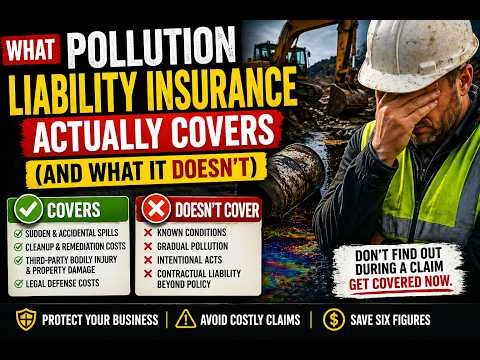
What Pollution Liability Insurance Actually Covers (And What It Doesn’t)
Clicking Load video connects to YouTube. No player loads automatically.
Watch on YouTube ↗Connect this topic to your program
Bring the operational details above into a coordinated review of your contracts, loss history and actual policy wording. Explore Montridge environmental contractor insurance services for the related brokerage service.
Source references
Primary-source background informs the technical discussion. Insurance review questions are educational interpretation; a source link does not establish coverage or certify compliance.
Collection, sorting, processing and material recovery are distinct stages of battery recycling.
Scope: United States; technical background and applicable federal framework · Source reviewed 2026-11-01
Waste classification and permitted management activities depend on battery condition and handling processes.
Scope: United States; technical background and applicable federal framework · Source reviewed 2026-11-01
Lithium batteries in commerce are subject to applicable hazardous-material transport requirements; damaged batteries need special assessment.
Scope: United States; technical background and applicable federal framework · Source reviewed 2026-11-01
Prepared November 1, 2026. Confirm current requirements and their application to your work before relying on them. Specific insurance outcomes require review of the complete policy and endorsements.