
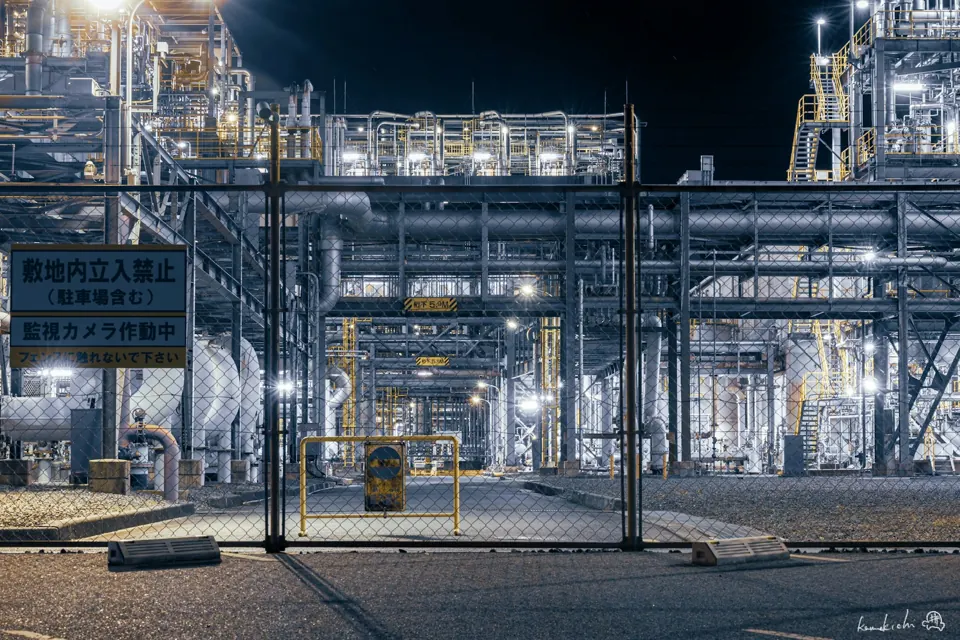
FOR Petrochemical processors and industrial facility risk managers
Describe chemistry and operational scope accurately
Petrochemical and industrial processing activities should be described by actual inputs, processes, products, and operating conditions. A generic manufacturing label can obscure significant differences between facilities. Identify storage, transfer, utilities, laboratories, and third-party operations located within the same site.
Explain whether the business manufactures to its own specification, processes customer-owned material, or supplies an intermediate product for further manufacturing. Those arrangements affect the questions that should be asked about property interests, product liability, contamination, and contractual obligations. The submission should match the current operating model and disclose planned changes before implementation.
Separate product loss from liability
A contaminated or out-of-specification product can create several different costs: lost inventory, cleanup, reprocessing, customer damage, recall activity, or interrupted production. These categories should not be collapsed into one assumed insurance response. Review property, liability, pollution, and any specialized product-related protection against the actual wording.
Identify when title and risk of loss transfer, how material is tested, and how batches are tracked. Ask whether a customer’s contract assigns losses beyond bodily injury or physical damage. Counsel should assess those commitments, particularly where the insured promises product performance, uninterrupted supply, or responsibility for another company’s production losses.
Consider common utilities and process dependencies
A processing plant may depend on steam, cooling, electrical distribution, feedstock delivery, and waste handling. Document shared services and identify which party owns and maintains them. A failure outside the insured boundary can disrupt the plant without damaging its scheduled property.
Review business interruption and dependent-property provisions using realistic restoration timelines. Explain spare equipment, alternative suppliers, laboratory release requirements, and restart constraints. OSHA’s process safety guidance is a useful operational reference, but it does not establish insurance coverage or replace a facility-specific compliance assessment by qualified professionals.
Submit evidence that supports the risk narrative
Prepare process descriptions, asset values, inventory peaks, loss history, engineering information, and representative sales or toll-processing agreements. Include procedures for product quality, contractor coordination, and changes to feedstock or process conditions. Distinguish existing controls from proposed improvements that have not yet been completed.
Ask the broker to document the boundary between insured physical loss and retained commercial obligations. Revisit the analysis when the facility introduces a new product, accepts customer-owned material, or changes its role in the supply chain. A policy renewal using the previous description may not reflect the resulting exposure.
Pay attention to products made under customer specifications or proprietary formulations. Identify who approves changes and who bears the cost if material cannot be used as intended. This is a contract and quality-control issue as well as an insurance question, and the review should avoid treating every rejected batch or customer dissatisfaction as evidence of an insured liability claim.
Questions for your next review
- Who owns material while it is being processed?
- Which product-related costs are expressly addressed?
- What shared utility can stop the facility?
Related Montridge webinars

Energy manufacturing and equipment
Product Liability Insurance for Manufacturers: Protecting Your Business from Product Claims
Clicking Load video connects to YouTube. No player loads automatically.
Watch on YouTube ↗Connect this topic to your program
Bring the operational details above into a coordinated review of your contracts, loss history and actual policy wording. Explore Montridge energy services insurance services for the related brokerage service.
Source references
Primary-source background informs the technical discussion. Insurance review questions are educational interpretation; a source link does not establish coverage or certify compliance.
Prepared November 1, 2026. Confirm current requirements and their application to your work before relying on them. Specific insurance outcomes require review of the complete policy and endorsements.