
FOR Turnaround contractors, industrial service firms, and outage managers
Define the turnaround work package
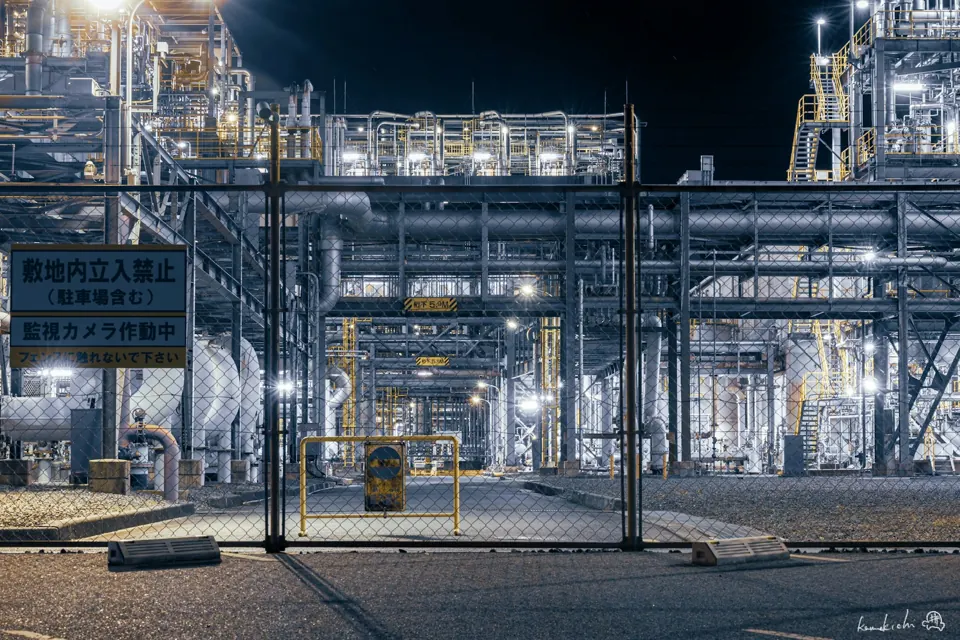
A turnaround concentrates many contractors, temporary equipment, and time-sensitive tasks at one facility. Describe the specific work package, trades, expected payroll, subcontracting, and schedule. Identify activities performed directly, such as welding, vessel entry, cleaning, inspection, rigging, or equipment replacement.
The insurance review should distinguish routine maintenance from major modification or new construction. Record which party controls permits, isolations, access, and the overall shutdown sequence. A broad industrial contractor description may not adequately communicate specialist work or responsibility for coordinating other firms inside an operating process facility.
Examine property being worked on
Damage to the component under repair, surrounding plant, rented equipment, and completed work can raise different coverage questions. Review exclusions relating to property being worked on, faulty workmanship, professional services, and contractual assumptions. Do not assume general liability pays the cost of correcting the contractor’s own work.
Ask how installation materials, tools, cranes, and leased equipment are protected during delivery, storage, installation, and testing. Compare those arrangements with the owner’s project or property insurance. Where the owner arranges coverage, obtain the relevant terms and confirm the contractor’s status rather than relying only on a statement that the job is insured.
Treat delay and restart obligations carefully
A delayed restart can produce a commercial claim much larger than the value of the contractor’s work. Identify liquidated damages, performance guarantees, consequential-loss provisions, and responsibility for testing or acceptance. Those obligations require legal and insurance review before the bid is finalized.
Explain how the work is inspected, documented, and handed back to the owner. Preserve records of change orders and instructions that affect scope or timing. Insurance analysis should distinguish an allegation of insured damage from a claim based solely on delay, defective performance, or a contractual promise that may remain outside the program.
Build the insurance file before mobilization
Provide the work order, master agreement, insurance specifications, subcontractor schedule, estimated payroll, equipment values, and loss history. Explain temporary staffing and jurisdictional changes. Review employers liability and workers’ compensation arrangements for the actual workforce rather than assuming the permanent employee schedule is sufficient.
The final review should identify required endorsements, excess-policy restrictions, owner-controlled insurance arrangements, and uninsured obligations. Establish a process to notify the broker if the work expands during the shutdown. A certificate issued at the start should not be treated as a permanent answer to every later change in scope.
If the customer directs additional work during the shutdown, capture the change in scope, value, and responsibility promptly. Emergency schedule pressure should not obscure a materially different activity or a new subcontractor. A short change-review procedure helps the contractor communicate those differences to its insurance team while preserving the commercial record of what the customer actually requested and approved.
Questions for your next review
- Does the work include vessel entry, hot work, or heavy lifts?
- Who insures installation materials and surrounding plant?
- What restart or delay obligations does the contract impose?
Related Montridge webinars

EPC, contracts and commercial coverage
Subcontractor Insurance Checklist for Contractors and Business Owners
Clicking Load video connects to YouTube. No player loads automatically.
Watch on YouTube ↗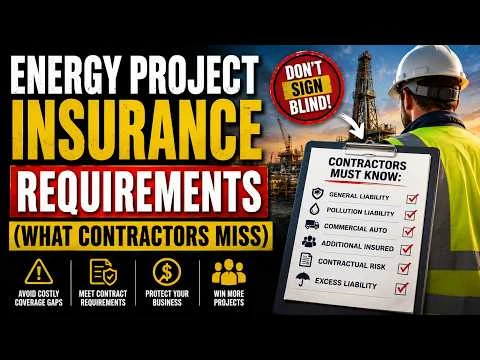
Energy operations
Energy Project Insurance Requirements (What Contractors Miss)
Clicking Load video connects to YouTube. No player loads automatically.
Watch on YouTube ↗Connect this topic to your program
Bring the operational details above into a coordinated review of your contracts, loss history and actual policy wording. Explore Montridge industrial service company insurance services for the related brokerage service.
Source references
Primary-source background informs the technical discussion. Insurance review questions are educational interpretation; a source link does not establish coverage or certify compliance.
Prepared November 1, 2026. Confirm current requirements and their application to your work before relying on them. Specific insurance outcomes require review of the complete policy and endorsements.