
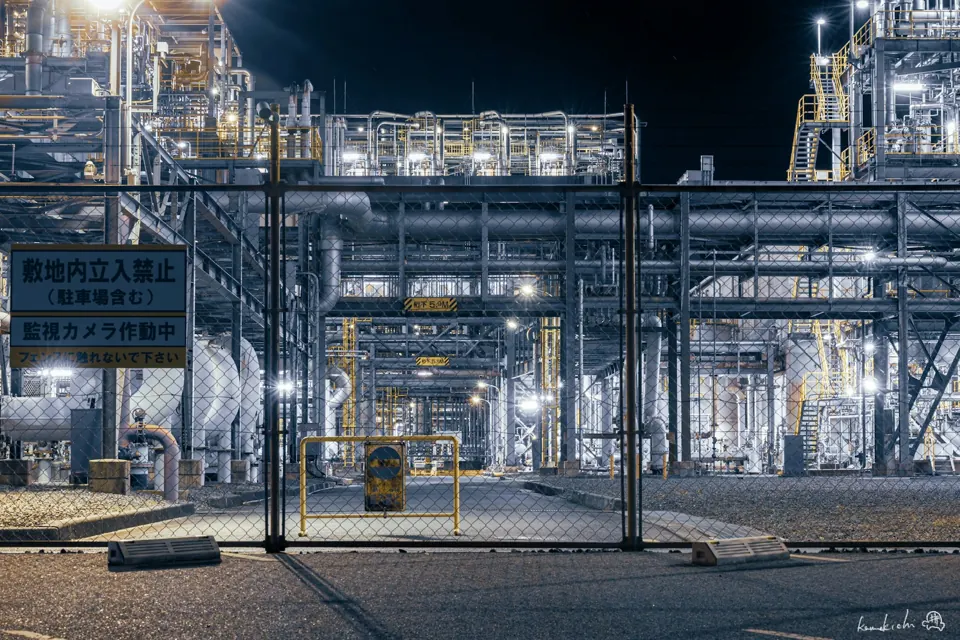
FOR Refinery owners, operators, and corporate risk managers
Start with the operating configuration
Refineries differ in process configuration, feedstocks, products, storage, utilities, and dependence on third-party infrastructure. An effective submission describes the actual site rather than relying on capacity alone. Identify insured entities, ownership interests, operating responsibility, and material changes since the previous underwriting review.
Provide engineering information that explains the relationship between major units and supporting systems. A loss at one bottleneck may affect output across the facility. The insurance review should therefore consider the site as an interconnected operation while preserving accurate schedules and values for the property intended to be insured.
Evaluate property and process interruption together
Physical replacement cost and time to restore production are separate measurements. Review valuations for process equipment, buildings, utilities, control systems, and inventories. Identify long-lead components and repairs that require specialist resources, shutdown coordination, or testing before restart.
Compare these facts with the proposed business interruption basis, waiting periods, indemnity periods, and any limits on particular causes of loss. Ask how damage to shared utilities or third-party supply and delivery systems is treated. Commodity price movements, contractual losses, and interruption without an insured trigger should not be assumed to fall within property coverage.
Address pollution and contractor interfaces
A refinery incident may produce onsite damage, offsite injury, contamination, and response costs. Review liability and pollution provisions separately, including insured locations, reporting requirements, and the treatment of existing conditions. General liability alone should not be presented as a complete environmental program.
OSHA’s refinery and process safety resources help frame operational questions, but qualified personnel must determine applicable requirements. Insurance submissions should accurately describe maintenance, management of change, shutdown procedures, and contractor coordination. An insurance review does not certify process safety, and a regulatory inspection does not establish that a particular insurance loss is covered.
Build a review around contracts and recovery
Provide site values, engineering reports, loss information, major supply and offtake agreements, and contractor insurance requirements. Identify product custody, transportation responsibilities, and obligations that survive a shutdown. Counsel should evaluate legal allocations while the broker tests them against the proposed insurance structure.
Use a prioritized list of interruption scenarios to expose assumptions before renewal. Record which risks are insured, which need further underwriting, and which management retains. Update that record after a major process change, acquisition, turnaround, or shift in supply arrangements rather than treating renewal as an administrative repetition of the prior year.
For a major capital project inside the refinery, review the interface between operating assets and new works before construction starts. Identify shared utilities, access restrictions, and the party responsible for damage to existing equipment. Keeping the project and operating insurance teams aligned can reveal assumptions that would be difficult to resolve only after a loss involving both portions of the site.
Questions for your next review
- Which unit or utility is the principal production bottleneck?
- Are offsite dependencies evaluated separately?
- How are pollution and turnaround contractors addressed?
Connect this topic to your program
Bring the operational details above into a coordinated review of your contracts, loss history and actual policy wording. Explore Montridge energy services insurance services for the related brokerage service.
Source references
Primary-source background informs the technical discussion. Insurance review questions are educational interpretation; a source link does not establish coverage or certify compliance.
Prepared November 1, 2026. Confirm current requirements and their application to your work before relying on them. Specific insurance outcomes require review of the complete policy and endorsements.