
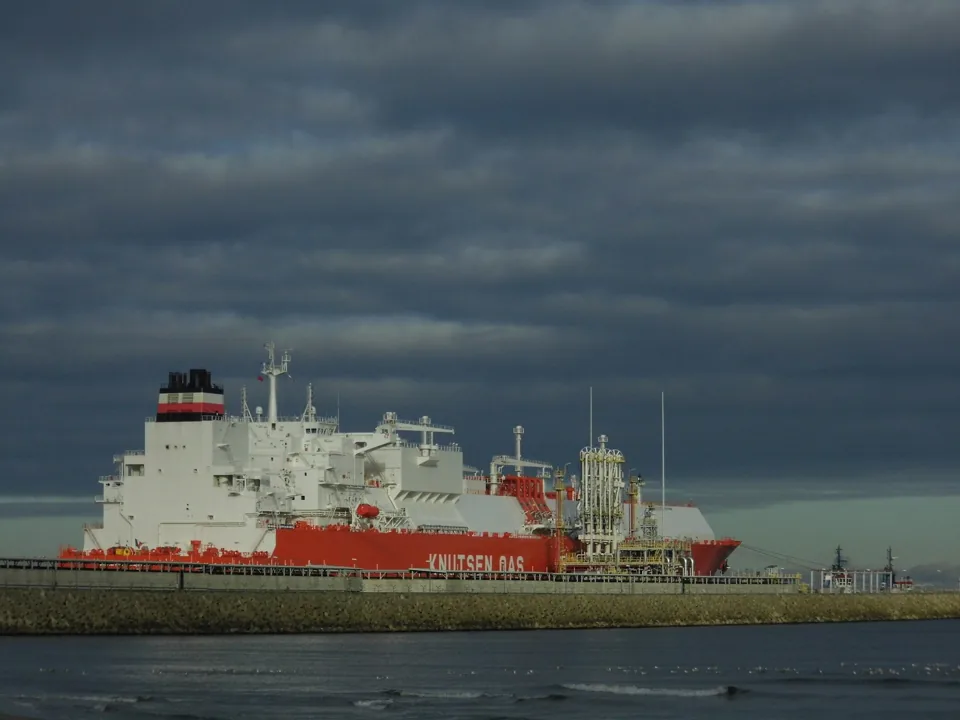
FOR LNG vessel interests, charterers, cargo owners and marine terminal operators
Map the voyage and the transfer boundary
LNG movements involve a vessel, cargo interests and a terminal, but those interests may be held by several separate entities. Identify the shipowner, technical manager, charterer, cargo owner and shore operator. Review the charter party, sale contract and terminal agreement together, because title, custody and operating control do not necessarily transfer at the same point.
The U.S. Coast Guard's LNG guidance distinguishes vessel and waterfront operations. Its 2015 bunkering policy is useful background, not a complete determination of current requirements for every cargo terminal or offshore location. Qualified maritime advisers should confirm the regime and approvals for the actual voyage and transfer. Insurance descriptions must distinguish LNG cargo carriage from using LNG as a vessel fuel.
Examine cryogenic handling and interruption scenarios
An illustrative incident might involve transfer-equipment damage, an emergency shutdown and a prolonged berth interruption. Evaluate damage to the vessel, loading arms, shore equipment and cargo separately from injury allegations and interruption of other users' operations. The cause and location of the event may affect which contractual and insurance provisions are relevant.
Review hull, marine liability, cargo and terminal interests without assuming one policy covers the complete transfer chain. Cargo valuation, quantity variation, contamination and inherent characteristics of the product need careful treatment. Ordinary operational losses or contractual delivery differences should not be described as accidental cargo damage without reviewing the wording. The same caution applies to demurrage, off-hire and loss-of-use claims.
Keep pollution and contractual liabilities distinct
LNG incidents raise different physical and safety questions from a conventional persistent-oil cargo spill, while a vessel may also carry fuel and other pollutants. The pollution review should identify the actual substances, response duties and applicable jurisdiction. Financial responsibility documentation for a vessel is not proof of comprehensive protection for every release or liability.
Review indemnities between vessel and terminal interests, including damage to property in custody, transfer equipment and consequential losses. Charterers may need a separate assessment of their liabilities even when they do not own the ship. Confirm any warranties, approved-trade restrictions or notification duties with the responsible insurer or club. Do not infer coverage from the presence of a familiar vessel or marine insurance label.
Support the review with voyage and interface evidence
Provide vessel particulars, intended trades, terminal information, transfer procedures, incident history and relevant contracts. Explain emergency communication, shutdown responsibility and the handling of weather or berth restrictions. Identify who can stop a transfer and who preserves operational records after an incident.
For a cargo owner or energy buyer, evaluate alternative supply, replacement cost and dependency on a limited number of terminals. Business interruption, marine delay and trading losses have different triggers and should not be conflated. Review changes in charter arrangements, routes and terminal use before a voyage begins. No policy review replaces ship classification, flag-state obligations, terminal approvals or the maritime expertise needed to conduct the operation safely.
Operational exposures & coverage review
These review points are educational interpretation, not promises of insurance coverage.
| Exposure | Insurance review |
|---|---|
| Transfer interruption | Separate vessel, cargo, shore equipment and consequential losses. |
| Charter obligations | Review charterer liabilities independently of ship ownership. |
| Pollution documentation | Distinguish financial responsibility from policy scope. |
Questions for your next review
- Where do title, custody and operating control change?
- Are LNG cargo operations distinguished from bunkering?
- Which demurrage or loss-of-use obligations remain uninsured?
Connect this topic to your program
Bring the operational details above into a coordinated review of your contracts, loss history and actual policy wording. Explore Montridge marine contractor insurance services for the related brokerage service.
Related specialty resource: Montridge Marine Contractors Resource Center. Adjacent marine contractor, vessel and waterfront insurance resources; specialist vessel terms remain project-specific.
Source references
Primary-source background informs the technical discussion. Insurance review questions are educational interpretation; a source link does not establish coverage or certify compliance.
2015 Coast Guard LNG bunkering guidance distinguishes vessel and waterfront transfer requirements; it is background, not a complete current authorization.
Scope: U.S. maritime; location and operation dependent · Source reviewed 2026-11-01
USCG explains pollution liability, COFRs and exceptions to liability limits; financial responsibility is not equivalent to comprehensive insurance.
Scope: U.S. Oil Pollution Act and vessel operations · Source reviewed 2026-11-01
Prepared November 1, 2026. Confirm current requirements and their application to your work before relying on them. Specific insurance outcomes require review of the complete policy and endorsements.