FOR Renewable diesel plant owners, refinery operators and conversion contractors
Use the correct fuel and process description
Renewable diesel is not the same product as biodiesel. DOE's Alternative Fuels Data Center distinguishes their chemistry and production pathways; hydrotreating is one commercially used route for renewable diesel. Insurance descriptions should identify the actual process, feedstocks and finished products rather than using the terms interchangeably.
For a refinery conversion, identify equipment retained from petroleum operations, newly installed units and any change in feedstock preparation or hydrogen demand. The owner may continue operating adjacent units while contractors modify part of the plant. Explain those simultaneous operations and the boundary between construction work, testing and existing operational property. Historical refinery values or classifications may not fully describe the converted facility.
Connect feedstock variation to damage and quality review
Different feedstocks can create different handling and process demands. Provide specifications, pretreatment arrangements and procedures for rejecting material that falls outside acceptance criteria. An illustrative event could involve an unsuitable feedstock batch, a process upset and damage to downstream equipment, followed by extended cleaning and restart work.
Review the distinction between faulty processing, contaminated inventory, damaged machinery and lost production. Property, equipment breakdown and liability forms may treat each differently. The cost of discarding or reprocessing the insured's own product should not be assumed to follow from third-party product liability. Supplier warranties, testing records and contractual remedies can be important even where an insurance recovery is uncertain.
Account for the conversion schedule and continuing plant
A delayed replacement compressor or damaged reactor component can affect both the new renewable unit and shared refinery services. Discuss construction-to-operation transition dates, testing restrictions, existing-property interests and delay in startup triggers. Confirm how partial handover or early commercial production changes the relevant coverage.
The project schedule should distinguish physical restoration time from permitting, product acceptance, financing or feedstock delays. Those causes may not qualify for business interruption recovery. Review who bears extra expense when existing units must shut down to complete repairs or make tie-ins. Contractual liquidated damages and throughput guarantees should be evaluated separately from the insured physical-loss scenario, even when they arise during the same interruption.
Keep environmental and distribution interests visible
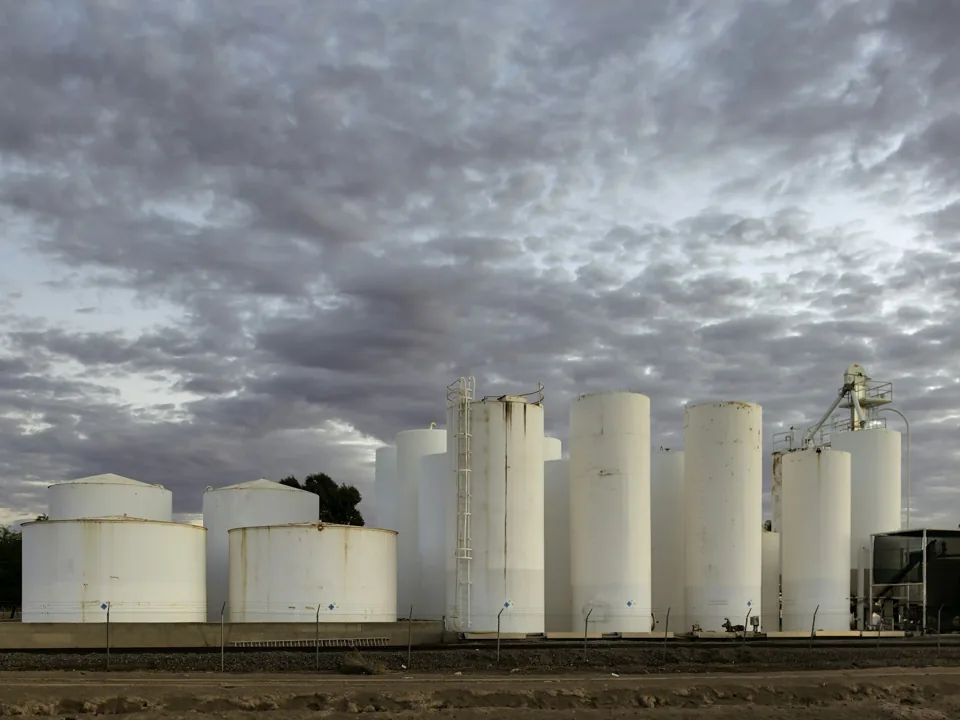
Renewable origin does not eliminate the potential for spills, fire, worker injury or contamination. Review tanks, wastewater, loading areas and transport interfaces using the actual substances and handling arrangements. Identify waste contractors and retained liabilities for material sent off site. Coordinate site pollution with contractors pollution where construction or maintenance could disturb existing conditions.
A useful submission combines process diagrams, equipment values, loss history, feedstock criteria, emergency arrangements and distribution contracts. Explain the division between plant operation, product ownership and storage or transport performed by others. Maintain an update process for capacity increases and new feedstocks; an insurance program should be reviewed when the operating model changes, not only when the annual policy expires.
Operational exposures & coverage review
These review points are educational interpretation, not promises of insurance coverage.
| Exposure | Insurance review |
|---|---|
| Refinery conversion | Define construction, existing property and testing boundaries. |
| Variable feedstock | Document acceptance criteria and resulting-damage questions. |
| Product distribution | Separate plant, cargo, pollution and product-liability interests. |
Questions for your next review
- Does the submission distinguish renewable diesel from biodiesel?
- How are existing operations insured during conversion work?
- Which delays involve physical damage and which remain commercial risk?
Connect this topic to your program
Bring the operational details above into a coordinated review of your contracts, loss history and actual policy wording. Explore Montridge manufacturing insurance services for the related brokerage service.
Source references
Primary-source background informs the technical discussion. Insurance review questions are educational interpretation; a source link does not establish coverage or certify compliance.
Renewable diesel differs chemically and in production from biodiesel; hydrotreating is a commercial production pathway.
Scope: U.S. DOE technical background · Source reviewed 2026-11-01
SAF development involves multiple feedstocks and production pathways, testing and fuel compatibility.
Scope: U.S. DOE technical background · Source reviewed 2026-11-01
Prepared November 1, 2026. Confirm current requirements and their application to your work before relying on them. Specific insurance outcomes require review of the complete policy and endorsements.