
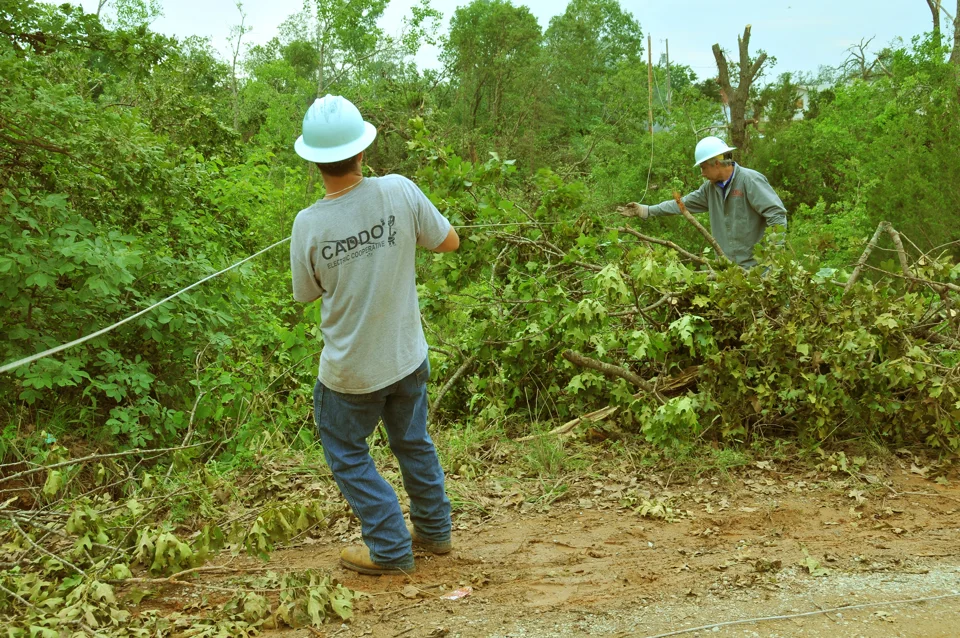
FOR Overhead and underground distribution contractors and utility service firms
Describe overhead and underground work
Power distribution work may include poles, conductors, transformers, underground duct banks, service connections and emergency repairs. Identify the actual voltage ranges and distinguish energized work from work performed under a de-energized arrangement. Describe rubber-gloving, hot-stick and other methods only as the contractor actually uses them. OSHA 29 CFR 1910.269 addresses operation and maintenance; transmission and distribution construction is addressed in 29 CFR 1926 Subpart V, subject to its scope and cross-references. A broad utility-contractor classification should not replace a detailed operating description for underwriting.
Review third-party and utility damage
A distribution incident can affect customer premises, vehicles, underground utilities and the utility’s own equipment. Review policy terms addressing excavation, underground damage, property being worked on and completed operations. Examine contractor pollution exposure where transformer fluids, fuel or contaminated soil may be involved. Verify whether installation equipment and customer materials are insured during transit, storage and work. A liability policy and an equipment floater address different interests; ownership and contractual responsibility need to be clear before a loss.
Coordinate workforce and fleet exposure
Distribution operations rely on line crews, digger derricks, bucket trucks, trailers and specialized tools. Review workers compensation classifications and the states in which crews will operate, plus commercial automobile and mobile equipment treatment. Temporary labor and subcontracting should be disclosed. Emergency deployments can change hours, travel and work locations quickly; identify how those changes are reported. Insurance review should support the contractor’s operating model without presenting coverage as a substitute for utility coordination, training or qualified supervision.
An underground service project can involve excavation, existing utilities, cable installation and restoration of the customer’s property. Identify which tasks are performed by the insured contractor and which are subcontracted. Compare the entire work package with the insurance description and exclusions. For overhead work, repeat the process for pole setting and conductor handling. The objective is to ensure that the insurer receives an accurate picture of the operations, not to assume that one electrical classification automatically accepts every distribution activity.
Prepare contract-specific evidence
Supply representative master service agreements, project requirements, voltage descriptions, equipment schedules, loss history and safety program information. Compare additional insured and waiver requirements with actual endorsements rather than relying only on a certificate. Determine who controls switching, acceptance and restoration of service and how those responsibilities are recorded. Review work on customer-owned facilities separately from utility-owned distribution. The strongest review connects the specific task and contract to the insurance program and records exceptions before the contractor accepts an expanded scope. Include service reconnection and final surface restoration in the work description when they are part of the contracted scope.
Questions for your next review
- Are all actual energized methods and voltage ranges disclosed?
- How are customer materials and utility property being worked on treated?
- Does the program reflect every state of planned crew deployment?
Related Montridge webinars
EPC, contracts and commercial coverage
Utilities Construction Risk Management: Protecting Infrastructure Projects
Clicking Load video connects to YouTube. No player loads automatically.
Watch on YouTube ↗
Energy operations
Utility Contractor Insurance Requirements Checklist | Protect Your Projects & Contracts
Clicking Load video connects to YouTube. No player loads automatically.
Watch on YouTube ↗Connect this topic to your program
Bring the operational details above into a coordinated review of your contracts, loss history and actual policy wording. Explore Montridge power & utility contractor insurance services for the related brokerage service.
Source references
Primary-source background informs the technical discussion. Insurance review questions are educational interpretation; a source link does not establish coverage or certify compliance.
Prepared November 1, 2026. Confirm current requirements and their application to your work before relying on them. Specific insurance outcomes require review of the complete policy and endorsements.