
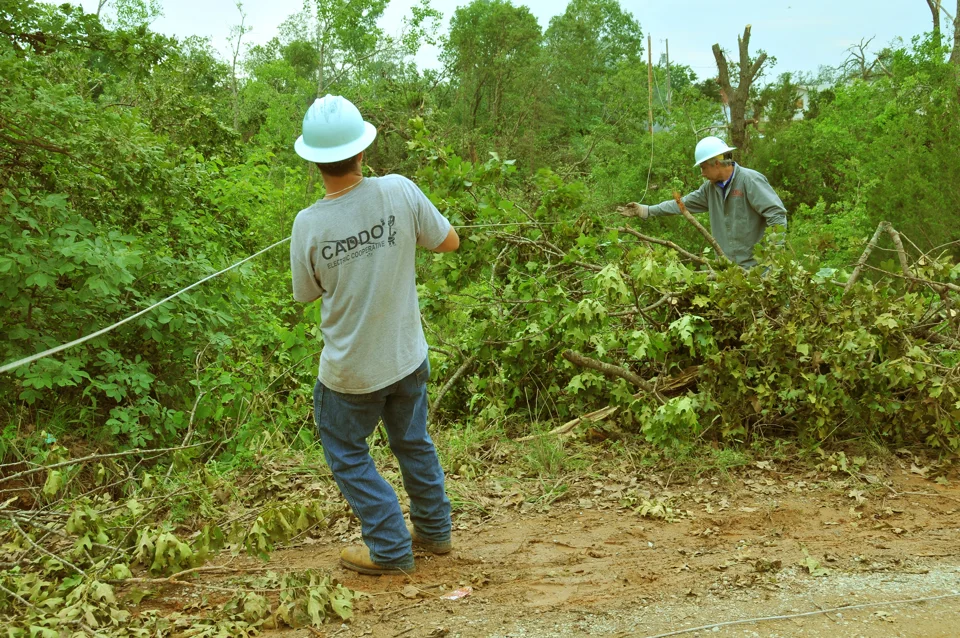
FOR Utility vegetation contractors, arboricultural firms and utility risk managers
Line clearance is a distinct operating exposure
Vegetation work for an electric utility can include pruning, removals, mowing, access clearing and herbicide application. Distinguish work near energized conductors from ordinary landscaping and identify the equipment, heights, terrain and methods involved. OSHA’s electric-power standard addresses line-clearance tree trimming within its applicable scope; it should not be treated as a generic landscaping assignment.
Separate the utility’s inspection and clearance decisions from the contractor’s execution. A contract may assign responsibility for identifying hazards, documenting refusals of access or revisiting incomplete work. Those duties should be described to insurers because an allegation of missed vegetation can arise after the crew has left the location.
Review wildfire and completed-work allegations
A severe loss can involve an allegation that vegetation contacted electrical equipment, that cutting activities caused ignition, or that a known hazard was not communicated. Review general liability, excess layers and any wildfire-related exclusions, sublimits or conditions across the complete tower. Do not assume the primary policy’s treatment is followed by every excess insurer.
Claims can involve multiple work periods, contractors and utility decisions. Preserve location-specific work records, photographs, instructions and exceptions. Completed-operations terms and additional-insured provisions deserve attention alongside contractual indemnity. A certificate showing a large limit does not establish the scope of defense or payment for a particular wildfire allegation.
Separate equipment, chemical and worker exposures
Bucket trucks, chippers, grinders and mobile machinery introduce automobile and equipment questions as well as damage to customer property. Review how loading, roadside positioning and rented equipment are addressed. Employee injury analysis should reflect the actual duties and territories, including emergency deployments and subcontracted crews.
Herbicide application introduces a different pollution and professional-services interface from mechanical clearing. Identify who selects the chemical, specifies the treatment and performs the application. Review pollution exclusions, applicable specialist coverage and contractual obligations for drift, runoff or damage to non-target property. Safety, environmental and licensing advisers should determine the requirements for the actual substances, locations and methods.
Make the maintenance record usable after a loss
A useful submission includes utility contracts, work methods, territorial concentrations, subcontractor controls, loss history and the process for escalating hazards. Explain how work is assigned, inspected and closed out. Document when access was refused, work was deferred or a condition required utility action; these records should be retained beyond the billing cycle.
Compare the utility’s insurance requirements with the contractor’s actual program before accepting additional territory or a new service. An expansion into wildfire-exposed areas, energized-line clearance or chemical application can materially change the exposure. Coordinate reporting across primary and excess insurers, and establish who preserves route records and crew observations when an incident may implicate completed work. Record the contractual period for which those completed-work records must remain available.
Operational exposures & coverage review
These review points are educational interpretation, not promises of insurance coverage.
| Exposure | Insurance review |
|---|---|
| Wildfire allegations | Check exclusions and conditions across primary and excess layers. |
| Deferred work | Retain location-specific instructions and unresolved hazards. |
| Chemical application | Review drift, runoff and application responsibility. |
Questions for your next review
- Does every liability layer address the same wildfire exposure?
- Who decides clearance scope and documents deferred hazards?
- Are herbicide activities separately disclosed and reviewed?
Related Montridge webinars
Broader utility construction risk-management context.
EPC, contracts and commercial coverage
Utilities Construction Risk Management: Protecting Infrastructure Projects
Clicking Load video connects to YouTube. No player loads automatically.
Watch on YouTube ↗Connect this topic to your program
Bring the operational details above into a coordinated review of your contracts, loss history and actual policy wording. Explore Montridge power & utility contractor insurance services for the related brokerage service.
Source references
Primary-source background informs the technical discussion. Insurance review questions are educational interpretation; a source link does not establish coverage or certify compliance.
OSHA federal electric-power operations and maintenance scope; applicability depends on the work.
Scope: United States; technical background and applicable federal framework · Source reviewed 2026-11-01
Utility mutual assistance shares personnel and equipment under agreements with differing responsibilities.
Scope: United States; technical background and applicable federal framework · Source reviewed 2026-11-01
Prepared November 1, 2026. Confirm current requirements and their application to your work before relying on them. Specific insurance outcomes require review of the complete policy and endorsements.