FOR Utility restoration contractors, mutual-assistance crews and emergency service firms
Treat deployment as an operating change
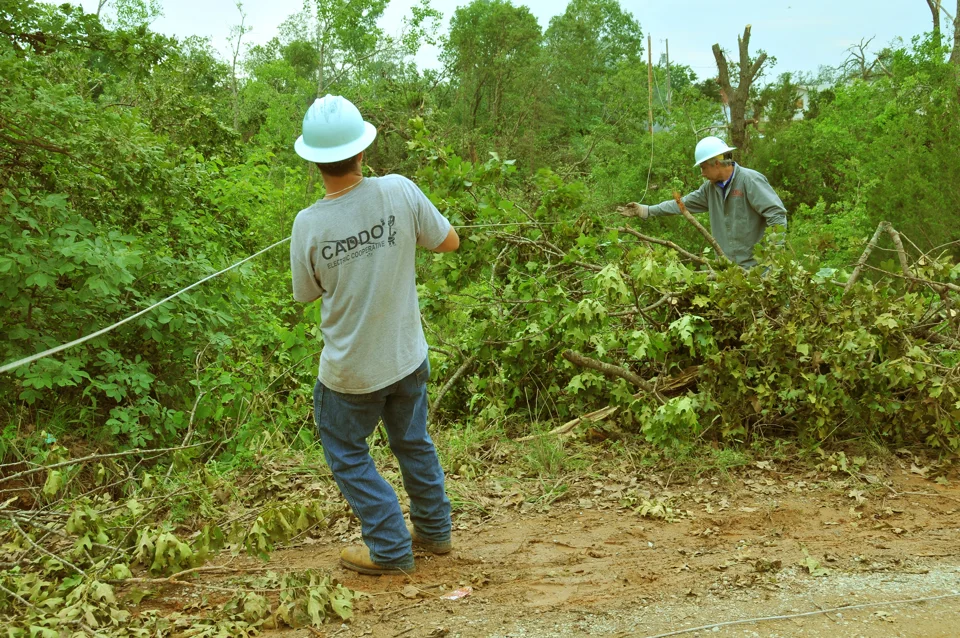
Storm restoration can move crews across state lines into unfamiliar systems under compressed schedules. Describe the expected work, voltage, methods, customers and duration before mobilization where possible. Identify mutual-assistance participation and subcontracted crews. OSHA’s electrical resources remain relevant to the work, but this page is an insurance planning guide rather than restoration procedure. A business insured for routine local maintenance should not assume that its program automatically reflects every emergency location and task.
Review people, vehicles and equipment
Examine workers compensation arrangements for the states involved and confirm the treatment of temporary labor and borrowed employees with the appropriate advisers. Review automobile territory, hired and non-owned exposures, trailers and mobile equipment. List bucket trucks, digger derricks, tools and rented equipment, including contractual responsibility for damage. Long travel, overnight storage and theft can create different loss circumstances from a normal job. Identify limits and reporting requirements before crews take equipment to a temporary staging area.
Read the emergency agreement
Emergency contracts may be accepted quickly, but indemnity, insurance, equipment rental and payment provisions still need review. Compare required endorsements with the actual policies and identify any owner-program enrollment. Determine who controls switching, work assignment and acceptance, and how the contractor documents completed work. Liability for damaged utility property, customer outages or pollution should not be assumed covered because the job is urgent. Record any contract obligation that exceeds the available program and obtain a business decision rather than concealing the gap.
Before a deployment, use one hypothetical equipment loss to test the packet: a rented bucket truck is damaged at an overnight staging site. Identify the rental agreement, insurance contact, deductible and party authorized to arrange replacement. Then check whether loss of use or other rental charges have separate treatment. Repeat for an injury in a newly entered state. These exercises reveal missing information before field staff must make decisions under pressure.
Prepare a deployment insurance packet
Keep current policy contacts, certificates, relevant endorsements, equipment schedules and incident-reporting instructions accessible to field management. Document crew locations, vehicles, rental equipment and changes in scope. Establish a way to report injuries, vehicle accidents and suspected property damage promptly without delaying emergency response. After demobilization, reconcile payroll, rental exposure and outstanding incidents. A pre-season review can make these steps repeatable while preserving the need for project-specific confirmation when a new utility, jurisdiction or work method is involved. Assign one office contact to reconcile deployment changes with the broker and the applicable insurance reporting requirements.
Questions for your next review
- Does the workers compensation arrangement address the deployment states?
- Who insures rented and borrowed equipment during staging and transport?
- Which emergency contract obligations exceed the existing coverage?
Related Montridge webinars

Energy logistics and fleets
Commercial Fleet Insurance for Energy Service Companies: What Companies Should Review
Clicking Load video connects to YouTube. No player loads automatically.
Watch on YouTube ↗
Energy operations
Utility Contractor Insurance Requirements Checklist | Protect Your Projects & Contracts
Clicking Load video connects to YouTube. No player loads automatically.
Watch on YouTube ↗Connect this topic to your program
Bring the operational details above into a coordinated review of your contracts, loss history and actual policy wording. Explore Montridge power & utility contractor insurance services for the related brokerage service.
Source references
Primary-source background informs the technical discussion. Insurance review questions are educational interpretation; a source link does not establish coverage or certify compliance.
Prepared November 1, 2026. Confirm current requirements and their application to your work before relying on them. Specific insurance outcomes require review of the complete policy and endorsements.