FOR Corporate energy buyers, renewable developers and risk managers
Identify what is being purchased
A power purchase agreement may concern physical delivery, financial settlement, environmental attributes or a combination. Describe the transaction before discussing resilience or insurance. A financial arrangement linked to a remote project does not itself create a dedicated electrical connection to the campus.
Identify the buyer, seller, project owner, scheduling entity and delivery or settlement point. Map which party bears shape, volume, congestion, curtailment and basis risk under the contract. These are commercial allocations that need specialist review; they should not be presented as automatically insured property exposures.
Separate clean-energy goals from continuity
A procurement strategy can address long-term price or environmental objectives while the data center continues to rely on utility service and backup infrastructure. Ask engineers what physical supply is available at each hour and what happens when generation or transmission is constrained.
If onsite renewables and storage are part of the plan, record their capacity, controls, maintenance and integration with the campus electrical system. Avoid equating annual energy matching with uninterrupted power. Keep public environmental claims consistent with the actual procurement and reporting methodology.
Review the contract under damage and non-damage scenarios
Compare a physically damaged generating facility with low resource output, an uncompleted project, counterparty default or an adverse settlement price. The financial result may be unfavorable in each case, but the potential insurance response is different.
Read supplier and utility interruption provisions, dependency definitions, territorial restrictions and damage requirements in actual policies. Check whether the relevant entity, location and interest are recognized. A PPA's damages formula does not establish the amount payable under a business interruption section.
Bring evidence into the program review
Provide the executed PPA, delivery structure, project status, key dependencies, insurance exhibit and contingency plan. Identify whether lenders or counterparties require specific insurance and whether those requirements can be met. Do not assume the seller's insurance protects the buyer's full economic position.
This page focuses on the data center buyer's interface. Existing Energy renewable guides address generation operations. Contract counsel, energy advisers and the insurance team should resolve mismatches between expected remedies, retained commercial risks and verified coverage before the agreement becomes a critical operating assumption.
Questions for your program review
- Is the arrangement physical, financial or both?
- What physical supply remains when renewable output falls?
- Which commercial risks are deliberately retained?
Connect with existing Energy guidance
- Onshore Wind Insurance & Risk Management
- Electric Utility Insurance & Risk Management
- Business Interruption & Energy Revenue Resilience
Prepare for an Energy risk review, call 702-749-4369 or use the existing consultation link below.
Sources and verification notes
Technical and regulatory background is identified below. The loss scenarios and insurance review questions are educational analysis, not quoted policy terms, insurer approval or an indication of market access.
- FERC — Large load integration action ↗
2026-06-18. Show-cause orders to six regional grid operators. Consult the applicable subsequent orders and effective tariff; this is not a nationwide guaranteed connection timetable.
- FM — Data centers ↗
Undated; reviewed 2026-11-03. Engineering background on support systems, resilience and power dependencies. Product descriptions do not establish coverage for a reader.
Image identification
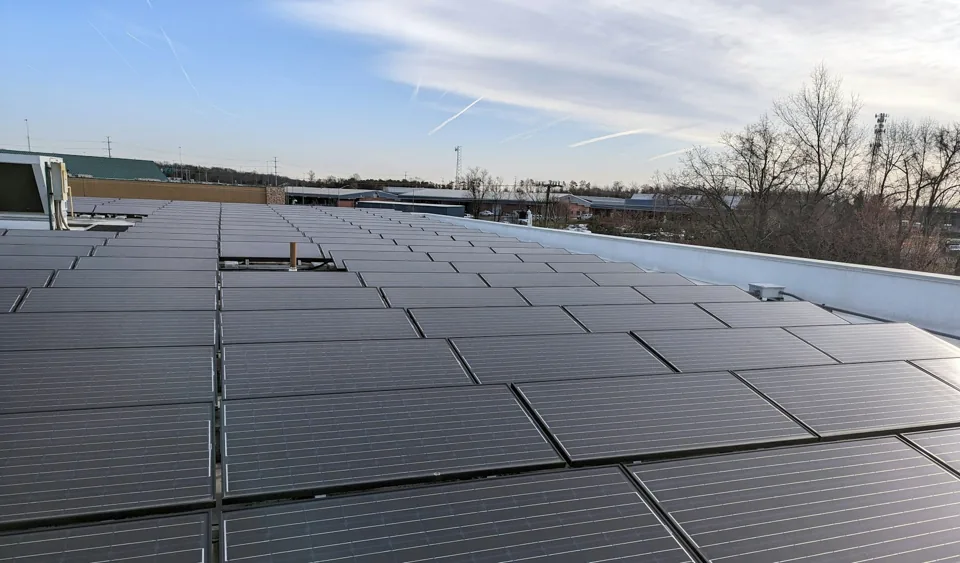
Commercial rooftop solar panels on ballasted racking. Illustrative photography. Virtue Solar · Unsplash License. Illustrative infrastructure; no client relationship or endorsement is implied. Image source and credit ↗ · License ↗.
Reviewed November 3, 2026. Requirements and project status can change. Confirm current applicability and complete policy wording before relying on this material.