
FOR Utility contractors, developers and electrical project teams
Put the service boundary on a drawing
An interconnection can include utility-owned equipment, customer-owned substations, dedicated lines and shared network upgrades. Mark each asset and operating boundary on the single-line diagram. Identify who designs, constructs, owns, maintains and controls access to each portion.
Cost responsibility and ownership are not necessarily the same. A developer may fund improvements it will not own, while accepting schedule consequences if they are late. Compare the service agreement, construction contract and property schedules before deciding which assets belong in the developer's insurance program.
Keep studies and approvals separate from delivery
A study request, deposit, approved design, executed agreement and energized service represent different milestones. Record conditions still outstanding, including land rights, equipment deliveries, protection approval, inspections and upstream upgrades. Avoid treating a target in a commercial presentation as committed capacity.
Large-load rules remain jurisdiction and system specific. FERC's June 2026 show-cause action is relevant background, but effective tariffs and subsequent decisions determine the applicable process. A risk review should identify the controlling documents and unresolved conditions, rather than promise a universal expedited connection.
Review substation losses across contracts
Consider a transformer damaged in transit, a lifting accident, a protection error during energization or excavation damage to an existing feeder. Determine which party reports the event and which policies need notice. Separate owned equipment, work under construction, third-party property and consequential delay.
Check testing provisions, offsite storage, transit, surrounding property and any waiver or indemnity in the utility agreement. A contractor's liability insurance does not automatically replace the owner's construction property program. A utility's limited contractual liability may also leave substantial retained business loss.
Prepare for restoration rather than energization alone
Recovery may require manufacturer inspection, replacement components, utility coordination and recommissioning. Record transport restrictions, spare-transformer access and the authority to approve temporary configurations. Evaluate whether a temporary supply can actually support the essential computing and cooling load.
Use these assumptions to review construction delay, utility service interruption and operational business interruption wording. Distinguish physical damage from a late permit or capacity shortfall. Share the engineering recovery plan with the insurance team so limits and time periods are assessed against a realistic restoration path.
Questions for your program review
- Who insures utility-owned improvements paid for by the developer?
- What conditions remain before energization?
- Can temporary service support the essential load?
Connect with existing Energy guidance
- Electric Utility Insurance & Risk Management
- Energy Testing & Commissioning Insurance
- Builders Risk & Delay in Startup for Energy Projects
Prepare for an Energy risk review, call 702-749-4369 or use the existing consultation link below.
Sources and verification notes
Technical and regulatory background is identified below. The loss scenarios and insurance review questions are educational analysis, not quoted policy terms, insurer approval or an indication of market access.
- FERC — Large load integration action ↗
2026-06-18. Show-cause orders to six regional grid operators. Consult the applicable subsequent orders and effective tariff; this is not a nationwide guaranteed connection timetable.
- OSHA — Control of hazardous energy ↗
Reviewed 2026-11-03. Hazardous-energy background; applicable construction, electrical and general-industry requirements depend on the work.
Image identification
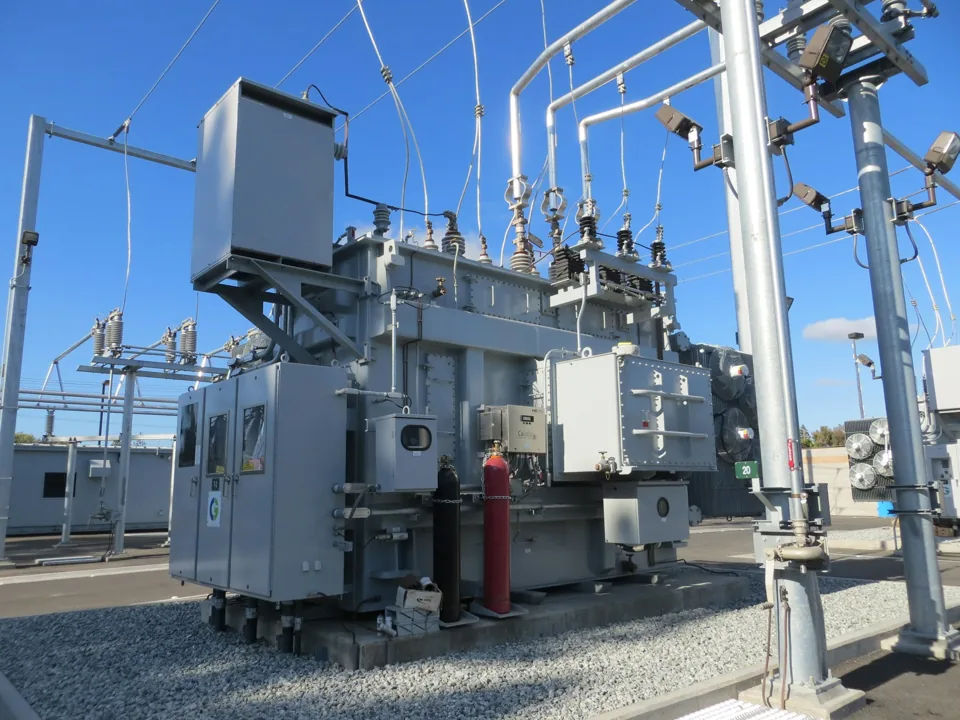
Electrical transformer at a Silicon Valley Power substation. Illustrative photography. American Public Power Association · Unsplash License. Illustrative infrastructure; no client relationship or endorsement is implied. Image source and credit ↗ · License ↗.
Reviewed November 3, 2026. Requirements and project status can change. Confirm current applicability and complete policy wording before relying on this material.