
FOR Fuel suppliers, storage operators, developers and logistics contractors
Follow the entire fuel chain
LNG is natural gas cooled into liquid form for storage or transport. A project using it for gas-fired generation generally includes regasification before the gas reaches generating equipment. Identify the actual route: remote terminal and pipeline supply, trucked LNG, onsite storage or another arrangement.
This distinction matters because a campus supplied by an ordinary gas pipeline may have no onsite LNG handling exposure. Do not add a fictional terminal to the insurance description. Where LNG is physically handled, map the facilities, custody points, operators and interfaces with the data center and generator.
Allocate delivery and storage responsibilities
Record who owns the LNG, tanks, unloading equipment and vaporization plant, and who controls transfer operations. Review delivery terms, quantity measurement, product quality, access restrictions and emergency authority. Include temporary equipment if the LNG arrangement bridges a delayed pipeline connection.
Consider a release during unloading, damage to a tank, a vehicle accident or an unavailable vaporizer. Different participants may face property, bodily injury, pollution, cargo and contractual exposures. Liability for a release and loss of fuel supply should be reviewed separately.
Assess continuity beyond storage volume
Stored fuel provides a finite operating resource. Ask engineers to document usable inventory, reserve assumptions, vaporizer capacity and replenishment needs under the required generating load. A stated number of days should specify the assumed electrical demand and delivery conditions.
Road access, weather, competing demand and delivery equipment may constrain replenishment during a regional emergency. Examine physical damage scenarios separately from commercial shortage or supplier default. A supply commitment does not establish a property insurance trigger or guarantee replacement deliveries.
Review applicable permissions and specialist needs
PHMSA's LNG overview explains the basic cryogenic and regasification process, but jurisdiction depends on the actual facility and use. Obtain a project-specific regulatory assessment covering relevant federal, state and local permissions, fire protection and emergency response. This page is not a siting or code-compliance determination.
Present diagrams, inventories, operating contracts and emergency plans to the insurance team. Review whether cargo, transport pollution, site pollution, property and generation programs recognize the actual operations and ownership. Do not assume a conventional data center property description includes all fuel infrastructure.
Questions for your program review
- Does the project physically handle LNG or only receive pipeline gas?
- Who controls custody during unloading?
- What replenishment assumptions support the backup duration?
Connect with existing Energy guidance
- LNG Liquefaction & Export Terminal Insurance
- Transportation Pollution for Energy Logistics
- Site Pollution Liability for Energy Assets
Prepare for an Energy risk review, call 702-749-4369 or use the existing consultation link below.
Sources and verification notes
Technical and regulatory background is identified below. The loss scenarios and insurance review questions are educational analysis, not quoted policy terms, insurer approval or an indication of market access.
- EIA — Liquefied natural gas explained ↗
Reviewed 2026-11-03. LNG is a storage/transport form; regasification returns it to gas for use. Historical demand figures are not used here.
- PHMSA — Liquefied natural gas overview ↗
Reviewed 2026-11-03. Cryogenic storage and regasification background. Regulatory applicability requires facility-specific analysis.
Image identification
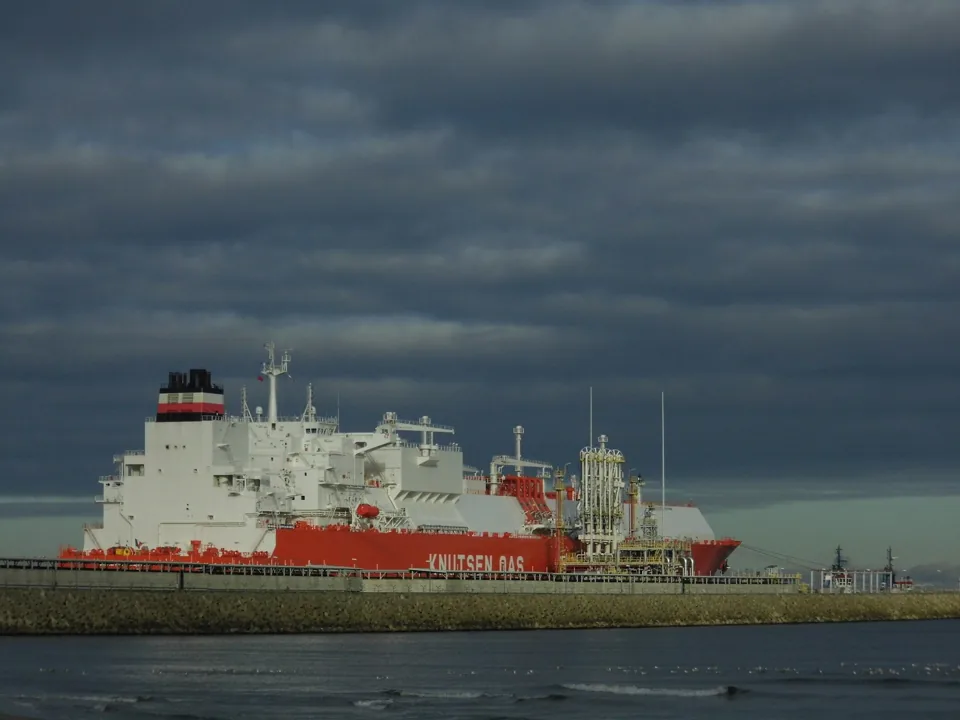
Gas carrier at the Świnoujście LNG terminal, Poland. Illustrative photography. Daniil Serhiyevich · Unsplash License. Illustrative infrastructure; no client relationship or endorsement is implied. Image source and credit ↗ · License ↗.
Reviewed November 3, 2026. Requirements and project status can change. Confirm current applicability and complete policy wording before relying on this material.